Google Pixel 11 & Tensor G6: Launch date, specs, price, and everything we know
/ Google Pixel 11 launches August 12 at Made by Google. Here's the leaked Tensor G6 (2nm) chip, Pixel 11 Pro, Pro XL and Pro Fold specs, new cameras, Pixel Glow RGB, battery, and expected price.
by Hozefa Khety
· 9 min read
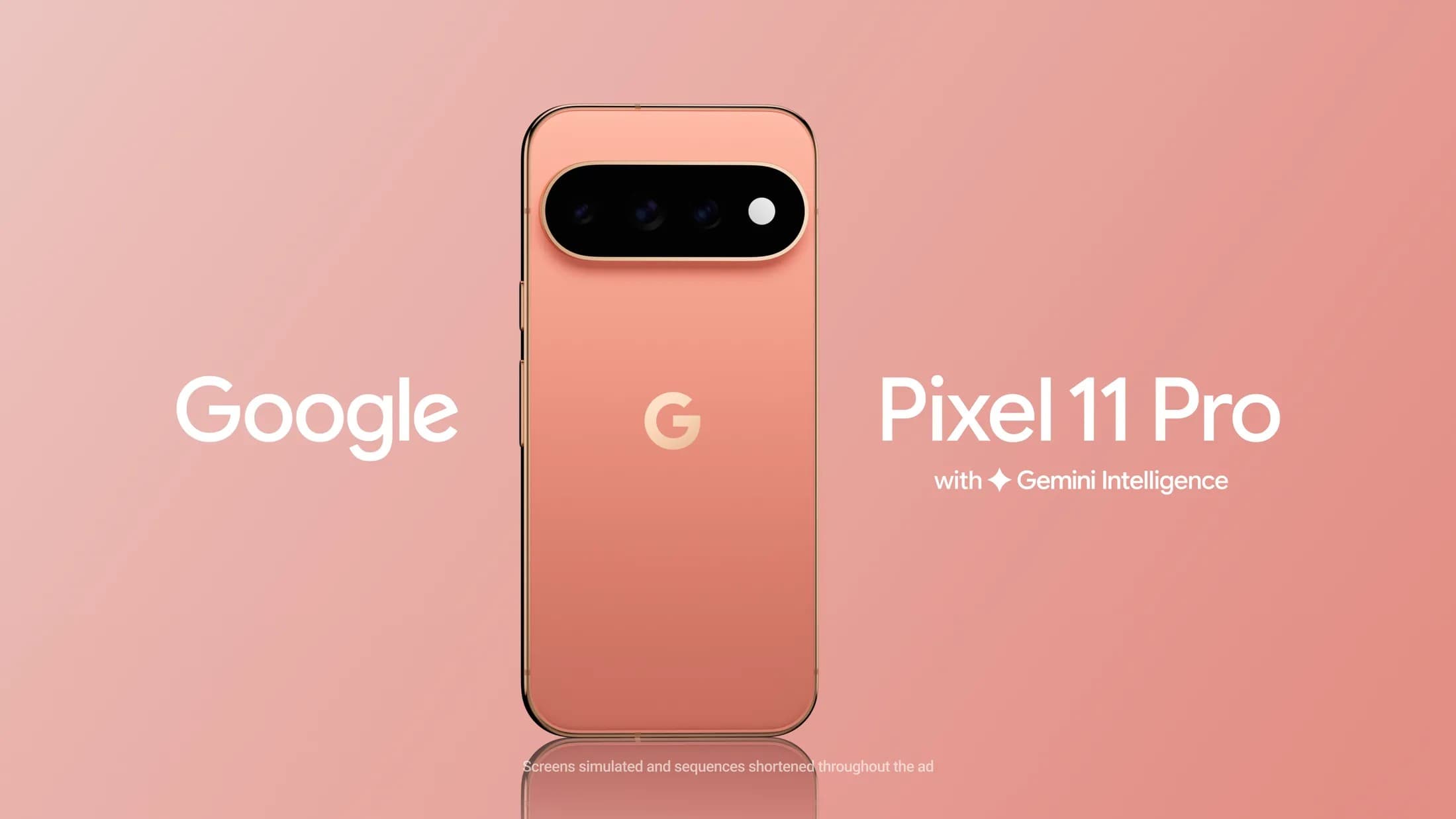
Google has made it official: the Pixel 11 series lands at a Made by Google event on August 12, 2026, in New York City. That date is confirmed by Google itself — but almost everything we know about the phones underneath it still comes from leaks. A single, unusually detailed spec dump from the leaker 'Mystic Leaks' has been picked apart by 9to5Google, Android Authority, and GSMArena, and it paints the clearest picture yet of four devices: the Pixel 11, Pixel 11 Pro, Pixel 11 Pro XL, and Pixel 11 Pro Fold. The headline is the new Tensor G6 chip, built on a cutting-edge 2nm process — but the details are more complicated, and more interesting, than a simple 'faster chip' story.
Here's the important caveat up front: the launch date is real, and Google has already teased the design, but the specs below are leaked, not announced. Treat them as well-sourced expectations, not gospel. With that said, here is everything we know about the Pixel 11, the Tensor G6, and what it all means ahead of the August reveal.
Pixel 11 launch date: when is Made by Google 2026?
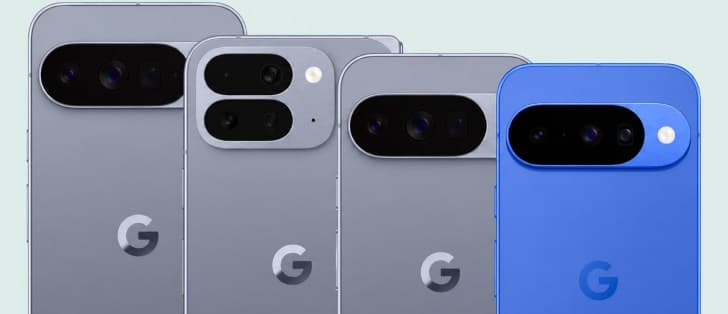
Google has confirmed the Made by Google event for August 12, 2026, in New York City — noticeably earlier and more prime-time than last year's schedule. Pre-orders are expected to open the same day, with a French retail leak (Dealabs) pointing to on-shelf availability from around August 20. Four phones are tipped to appear: the standard Pixel 11, the compact Pixel 11 Pro, the larger Pixel 11 Pro XL, and the book-style Pixel 11 Pro Fold. One quietly significant change from the leaks: every model is said to start at 256GB of storage, up from the 128GB base on the Pixel 10 series.
Tensor G6: a big process jump, and one worrying trade-off

The Tensor G6 is the most consequential upgrade in the Pixel 11, and it's the first smartphone chip built on TSMC's 2nm (N2) process — the most advanced fabrication available in 2026, which should translate into meaningfully better power efficiency. The CPU is a seven-core layout (one fewer core than the Tensor G5): a single ARM C1-Ultra core at 4.11GHz, four C1-Pro cores at 3.38GHz, and two C1-Pro cores at 2.65GHz. Android Authority frames this as 'a substantial upgrade in most areas,' with a genuine CPU leap on the cards.
There's a notable modem change too: Google is reportedly dropping the Samsung Exynos modems it has used for years in favour of a MediaTek M90. That could improve signal reliability and efficiency — long-standing Pixel weak points. The chip also carries a Titan M3 security block, a new TPU for on-device AI (codenamed Santafe), and a fresh image signal processor (codenamed Metis) that should feed Google's computational photography.
The catch is the graphics. The Tensor G6 reportedly uses a PowerVR CXTP-48-1536 GPU — and, oddly, that part is an older generation than the GPU inside the Tensor G5. In other words, if you were hoping for a big gaming leap this year, the leaks suggest the Pixel 11 won't deliver one on the GPU front. Pixels have never been sold as gaming phones, but it's a strange asterisk on an otherwise ambitious chip.
Pixel 11 and Pixel 11 Pro: leaked specs
The standard Pixel 11 is tipped to keep a 6.3-inch OLED display (1080 x 2424) with a 120Hz refresh rate and around 2,200 nits peak brightness, paired with 8GB or 12GB of RAM and a new main camera reportedly rated at 50MP. Its battery sits at roughly 4,840mAh. It's a sensible, iterative update to the mainstream Pixel rather than a reinvention.
The Pixel 11 Pro steps up to a sharper 6.3-inch OLED (1280 x 2856) at up to 2,450 nits, 12GB or 16GB of RAM, and revised main and telephoto cameras. The Pixel 11 Pro XL keeps the same internals but stretches to a 6.8-inch panel (1344 x 2992) with a larger 5,000mAh battery. Both Pro models are where Google's flashiest new hardware trick shows up (more on that below), and both are expected to lean hard on Gemini-powered AI features in software.
Pixel 11 Pro Fold: Google's foldable, refined
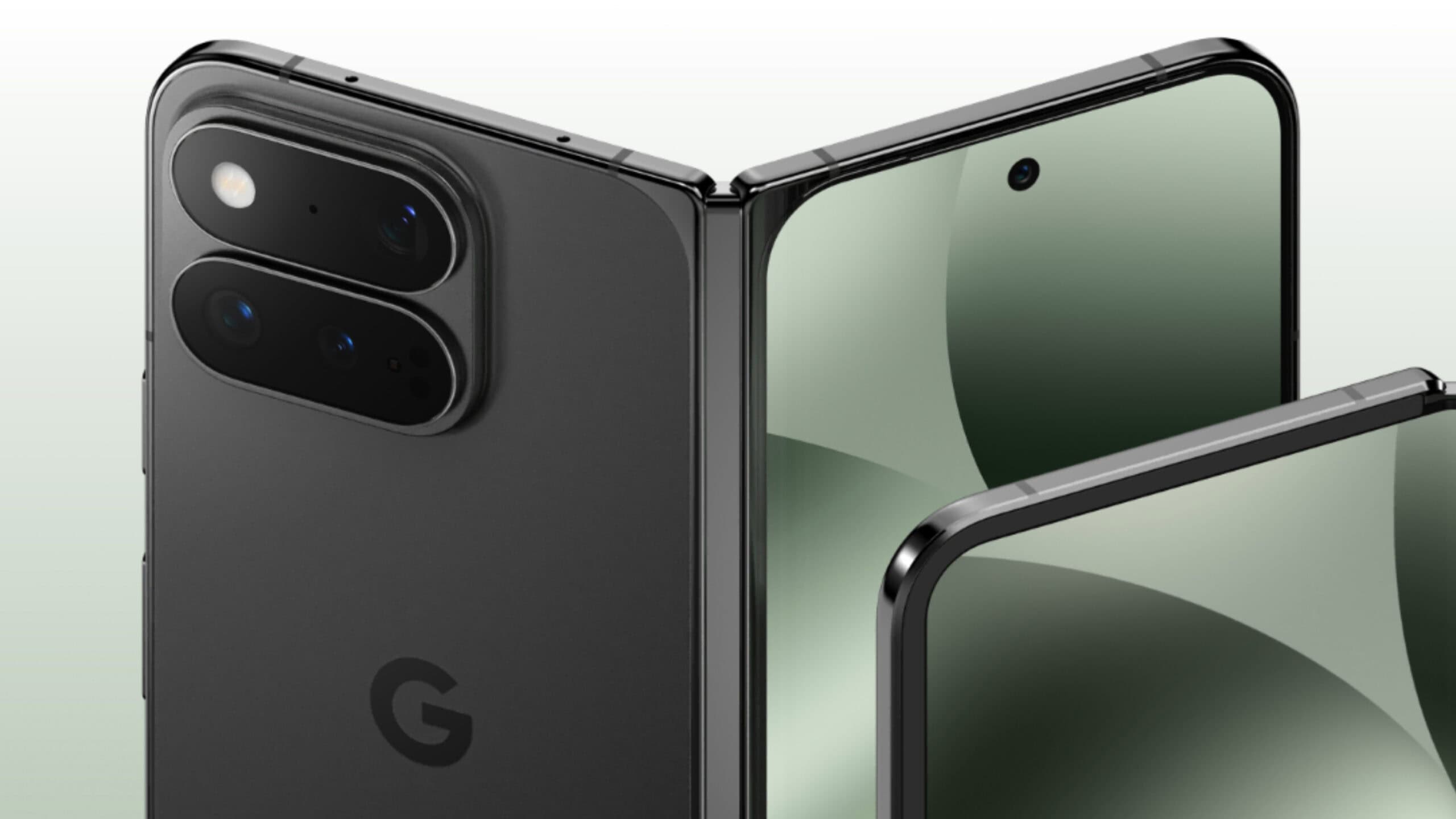
The Pixel 11 Pro Fold is expected to carry a large inner foldable display (2076 x 2160, 120Hz, ~2,050 nits) and a 1080 x 2342 cover screen, with 12GB or 16GB of RAM and the same Tensor G6 at its core. The leaked battery figure of around 4,658mAh is the one specification foldable fans will scrutinise most, since capacity is always the toughest compromise in a book-style design. If Google can pair its improved 2nm efficiency with the new hardware, real-world endurance could still improve even without a big capacity jump.
Cameras: new sensors across the line
One of the more interesting threads in the leak is that Google appears to be changing camera hardware — something it does not do often. The base Pixel 11 and the Pixel 11 Pro Fold are said to use a new main sensor (codenamed 'chemosh'), while the Pixel 11 Pro and Pro XL pick up new main and telephoto sensors (codenamed 'bastet' and 'barghest'). Exact megapixel counts beyond the ~50MP main figure aren't nailed down, but fresh silicon plus the new Metis image processor is exactly the combination that tends to move Pixel photo quality forward.
Pixel Glow: RGB lights on the camera bar
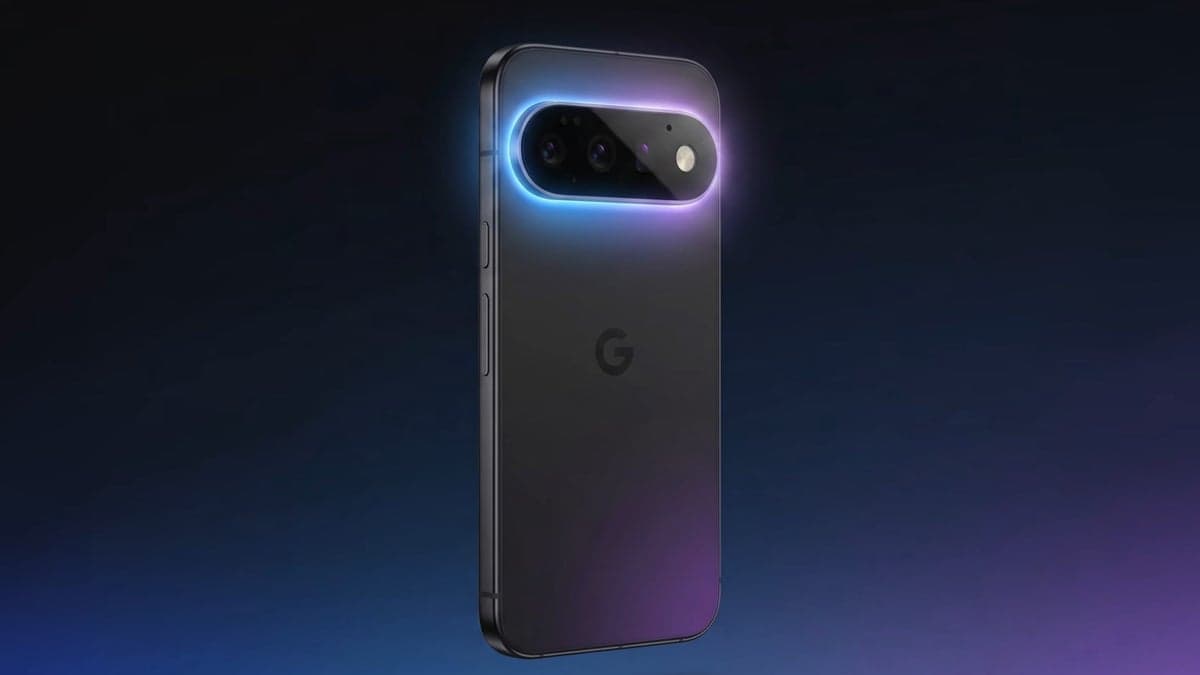
The most eye-catching design change is 'Pixel Glow': a small RGB LED array built into the camera bar of the Pro models, sitting alongside the flash. Functionally it's compared to Nothing's Glyph lighting — think notification glows, charging status, and ambient effects. Notably, it replaces the temperature sensor that Google added to recent Pro Pixels, a feature few people ever used. It's a rare bit of visual flair for a lineup that usually plays it safe.
Battery: small cuts on paper, efficiency to make up for it
The leaked battery numbers are a mixed bag. Rated capacities land at roughly 4,840mAh (Pixel 11), 4,707mAh (Pixel 11 Pro), 5,000mAh (Pixel 11 Pro XL), and 4,658mAh (Pixel 11 Pro Fold). For the Pro and Pro XL, those are actually slight reductions versus the Pixel 10 generation (which used around 4,870mAh and 5,200mAh respectively). The bet Google is clearly making is that the 2nm Tensor G6's efficiency gains will offset the smaller cells — but that's the kind of claim worth waiting for real battery tests to confirm.
Pixel 11 price: what to expect
Google hasn't announced pricing, and these figures are estimates — but the reference points are solid. The Pixel 10 generation launched at $799 (Pixel 10), $999 (Pixel 10 Pro), $1,199 (Pixel 10 Pro XL), and $1,799 (Pixel 10 Pro Fold). European leaks point to a roughly €100 rise for the Pixel 11 — around €999 for the base model, €1,199 for the Pro, and near €1,999 for the Fold.
In US dollars, early estimates keep the base Pixel 11 near $799 and the Pixel 11 Pro around $999, while the Pixel 11 Pro Fold is expected to hold at or slightly above its predecessor's $1,799 — some estimates run as high as $1,899. The key nuance for value: if the base model really does start at 256GB rather than 128GB, a flat or near-flat launch price would quietly be a better deal than the sticker suggests. As always, the strongest real-world value tends to arrive later through trade-in and carrier deals rather than the launch-day price.
Pixel 11 vs Pixel 10: is it worth waiting for?
If you're on a Pixel 9 or older, the Pixel 11 looks like the more meaningful upgrade to hold out for — the 2nm Tensor G6, a new MediaTek modem, fresh camera sensors, and more base storage together add up to a real generational step. If you already own a Pixel 10, the case is weaker: the CPU and efficiency gains are welcome, but the GPU is a lateral (or backward) move, the battery capacities are flat-to-lower on paper, and much of the 'new' is software-driven Gemini AI that Google typically brings to older Pixels too. The smart play is to wait for the August 12 event, then judge the phones on verified battery life and camera results rather than the spec sheet alone.
Frequently asked questions
When is the Google Pixel 11 launching?
Google has confirmed a Made by Google event for August 12, 2026, in New York City, where the Pixel 11 series is expected to debut. Pre-orders are tipped to open the same day, with retail availability reportedly starting around August 20, 2026.
How many Pixel 11 models are there?
Leaks point to four devices: the Pixel 11, Pixel 11 Pro, Pixel 11 Pro XL, and the book-style Pixel 11 Pro Fold. All four are said to run the new Tensor G6 chip and start at 256GB of storage.
What is the Tensor G6 and is it a big upgrade?
The Tensor G6 is Google's next in-house chip and reportedly the first phone processor built on TSMC's 2nm process. It brings a faster seven-core CPU, a new MediaTek M90 modem (replacing Samsung's Exynos modem), and better efficiency. The catch is the GPU, which leaks say is an older generation than the Tensor G5's — so it likely won't deliver a big gaming boost.
What is Pixel Glow on the Pixel 11 Pro?
'Pixel Glow' is a leaked feature that adds a small RGB LED array to the camera bar of the Pixel 11 Pro models, similar in spirit to Nothing's Glyph lighting. It reportedly replaces the temperature sensor found on recent Pro Pixels and can be used for notifications, charging status, and ambient effects.
What is the expected Pixel 11 price?
Google hasn't confirmed pricing. Based on Pixel 10 launch prices and European leaks, early estimates keep the Pixel 11 near $799, the Pixel 11 Pro around $999, the Pixel 11 Pro XL around $1,199, and the Pixel 11 Pro Fold between roughly $1,799 and $1,899. European leaks suggest about €999, €1,199, and €1,999 for the Pixel 11, Pro, and Fold respectively. These are unofficial estimates and could change at launch.
Does the Pixel 11 have a better camera?
Leaks suggest yes — Google appears to be changing camera hardware, which it rarely does. The base Pixel 11 and Pro Fold reportedly use a new main sensor, while the Pixel 11 Pro and Pro XL get new main and telephoto sensors, paired with a new image signal processor. Final image quality won't be clear until the phones are tested.
Should I upgrade from the Pixel 10 to the Pixel 11?
If you own a Pixel 10, the upgrade is a tougher sell: the CPU and efficiency improve, but the GPU is a lateral or backward move and battery capacities are flat-to-lower on paper. If you're on a Pixel 9 or older, the Pixel 11's 2nm Tensor G6, new modem, and fresh cameras make it a more worthwhile jump. Wait for the August 12 launch and real-world reviews before deciding.