Best AI Smart Glasses in 2026: Ray-Ban Meta, Google, Snap, Xreal & More Compared
/ The best AI smart glasses of 2026 ranked — Ray-Ban Meta Gen 2, Oakley Meta Vanguard, Google Android XR, Snap Specs, Xreal One, and Even Realities G2 — with prices, features, and who each pair is for.
by Hozefa Khety
· 11 min read
2026 is the year AI walked off the screen and onto your face. Smart glasses have gone from a novelty to the most interesting consumer hardware category of the year, driven by a simple shift: with a capable AI assistant listening and looking through a camera, glasses can answer questions about what you see, translate a menu in real time, and capture the moment without you ever reaching for a phone. Meta sold more than 7 million AI glasses in 2025 — triple the year before — and in 2026 Google, Samsung, Snap, and a wave of specialists have all shipped or announced serious challengers. This guide breaks down the best AI smart glasses you can buy or pre-order right now, and who each pair is actually for.
There are two broad families to keep straight. Audio-and-camera AI glasses (like Ray-Ban Meta) look like ordinary eyewear, have no screen, and lean entirely on voice, sound, and a camera. Display glasses (like Snap Specs and Xreal) add an actual heads-up projection you can see — navigation arrows, subtitles, notifications — at a higher price, more weight, and shorter battery life. Most people shopping today want the first kind; the second is where the category is heading. We cover both below.
Ray-Ban Meta (Gen 2): the best AI glasses for most people
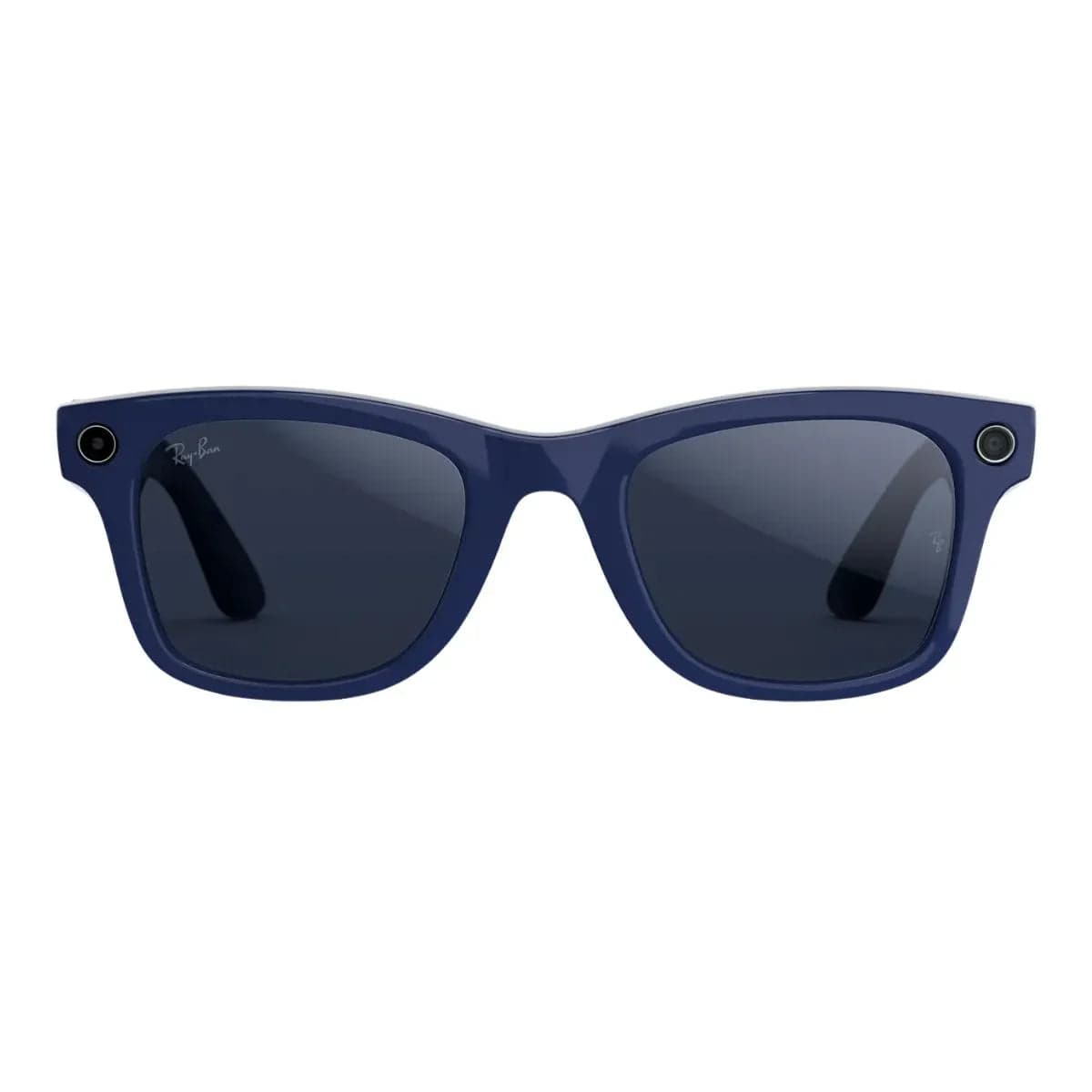
If you want one pair of AI glasses and don't want to think too hard, buy the Ray-Ban Meta Gen 2. Launched in late 2025 starting around $379, the second generation roughly doubled battery life, added 3K video capture, and sharpened its on-device AI. The formula still works because it hides the technology: these look and wear like normal Ray-Bans, with open-ear directional speakers and a five-microphone array that Meta says cancels up to 90% of background noise on calls. You get hands-free photos and video, music, calls, live translation, and Meta AI that can answer questions about whatever the camera sees.
The trade-offs are the same as every screenless pair: there's no display, so information comes back as audio, and you're committed to Meta's ecosystem and privacy model. But for capturing life from a first-person view and having an assistant a whisper away, nothing else is this polished at this price. It is the safe recommendation of 2026.
Oakley Meta Vanguard: the best for athletes and the outdoors
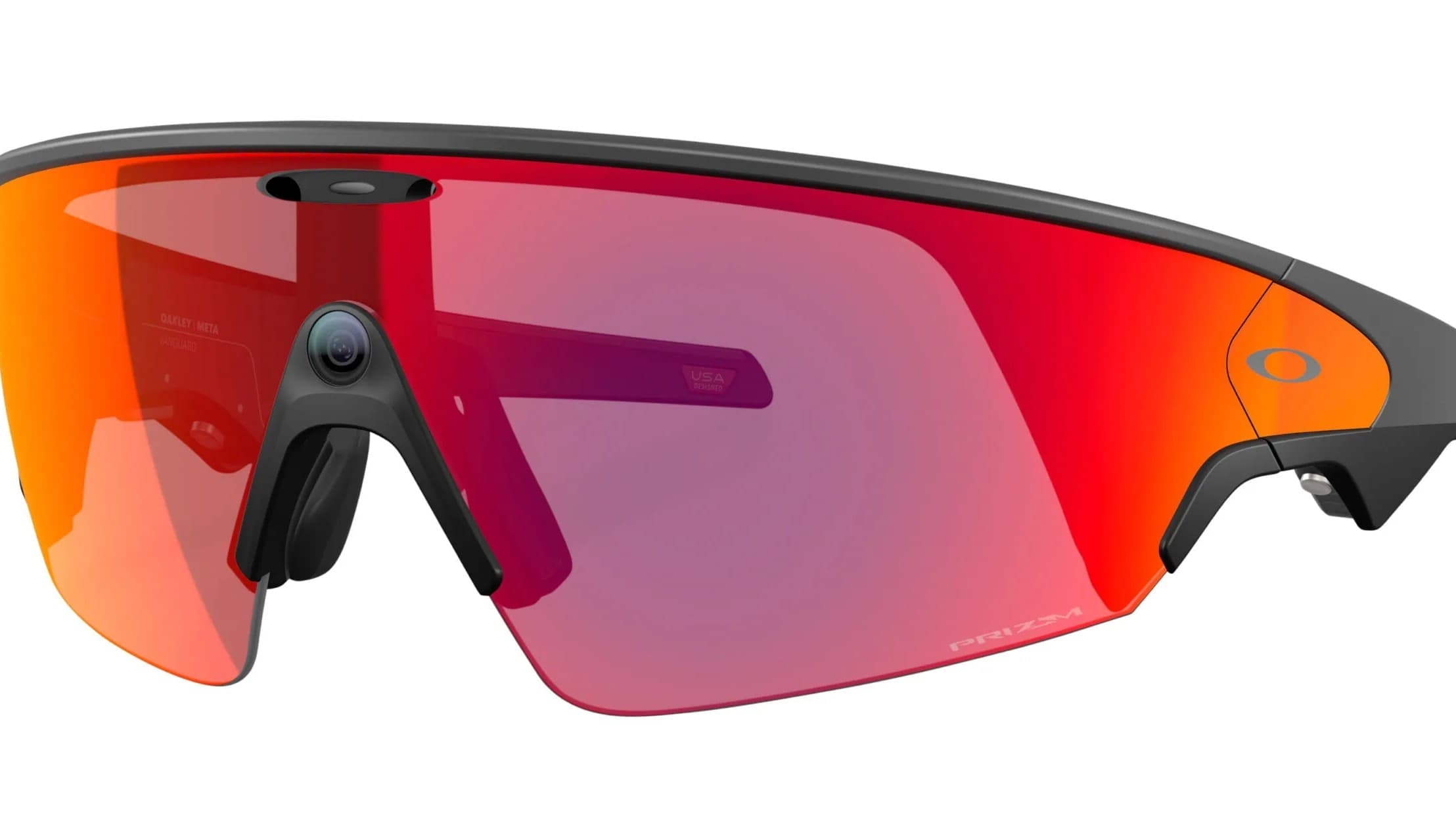
Built on the same Meta platform but aimed at people who spend the day moving, the Oakley Meta Vanguard swaps the classic Wayfarer look for a wraparound sport frame that stays put on a run or a ride. It packs a 12MP camera that records 3K video, 32GB of onboard storage, and up to nine hours of battery — comfortably more endurance than the standard Ray-Ban Meta. If you want AI glasses that double as action-camera-lite for cycling, hiking, or the gym, this is the pair to get instead of the fashion-first Ray-Bans.
Google & Samsung Android XR glasses: the biggest wildcard of 2026
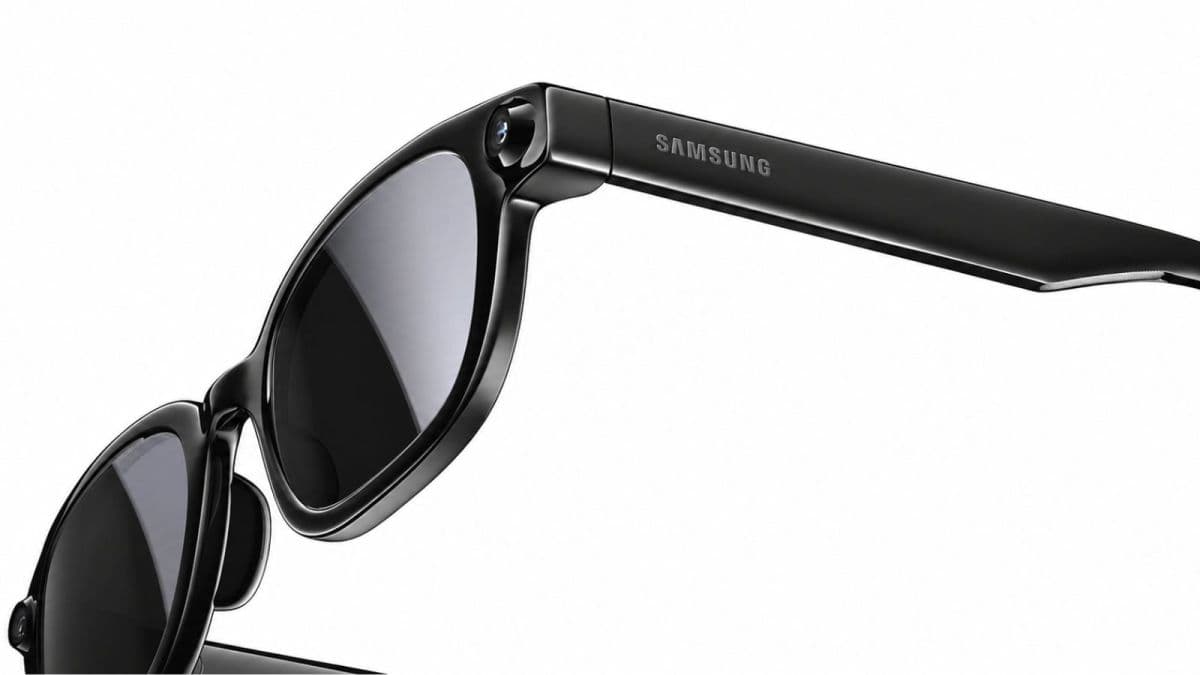
The most anticipated glasses of the year come from Google's Android XR push. Demoed at I/O 2026, they run Gemini and showed off visual object identification, real-time parking-sign reading, multi-stop navigation, message summaries, and photo capture with AI editing — a more sophisticated, multi-step reasoning story than Meta AI tells today. Crucially, these are the first glasses to pair with both Android and iPhone out of the box. Frames are being designed with fashion houses including Gentle Monster and Warby Parker, and Samsung's own Android XR 'Intelligent Eyewear' is expected to be teased at its July 22 Galaxy Unpacked.
The catch: as of mid-2026 Google hasn't locked pricing (analysts estimate roughly $299–$499 for the first audio-and-camera model) or a firm date beyond a 'fall 2026' window, and the debut wave is screenless, with a true display version expected to follow in 2027. If you can wait, this is the platform most likely to define the category — Gemini plus iPhone support is a powerful combination. If you can't, Ray-Ban Meta is available today.
Snap Specs: the most capable standalone AR glasses
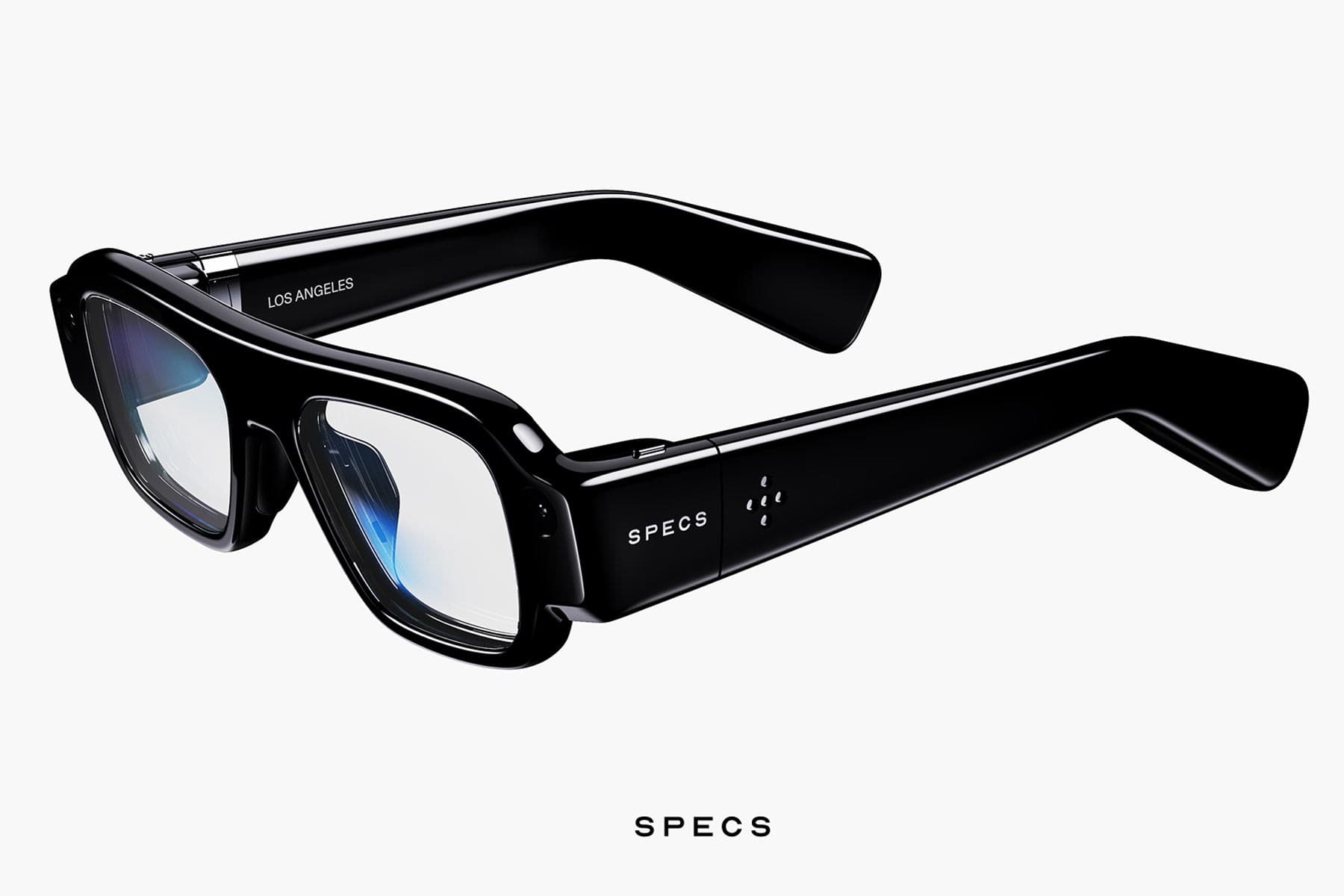
If you want to actually see augmented reality rather than just hear an assistant, Snap Specs are the most capable standalone consumer option and are now open for pre-order at $2,195. They are fully self-contained AR glasses — no phone or puck required — with dual Snapdragon processors, hand tracking, spatial mapping, and waveguide displays offering a wide field of view. This is developer-and-enthusiast territory: expensive, chunkier than everyday eyewear, and early, but a genuine glimpse of standalone AR without a headset.
Xreal One & Aura: display AR without the flagship price
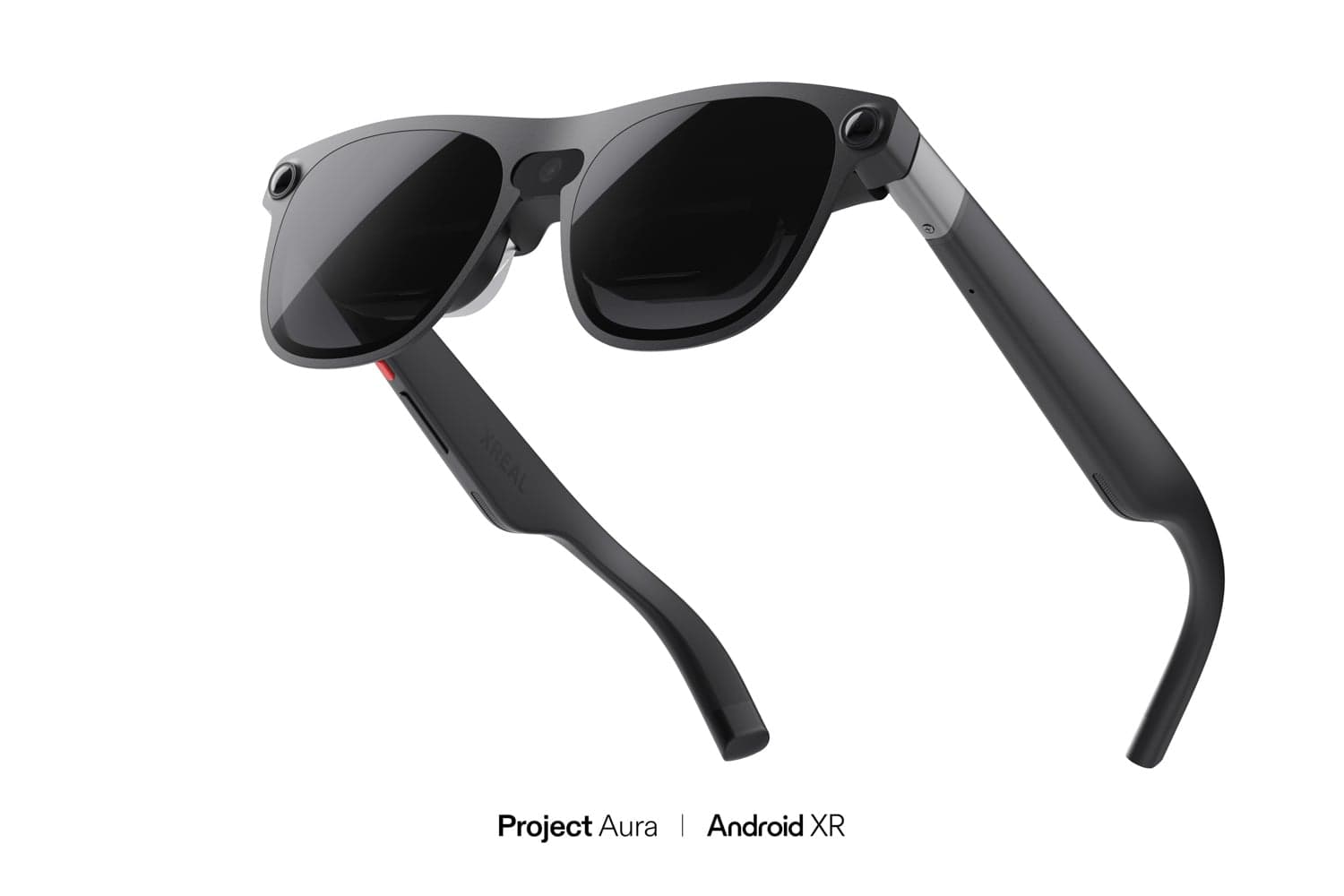
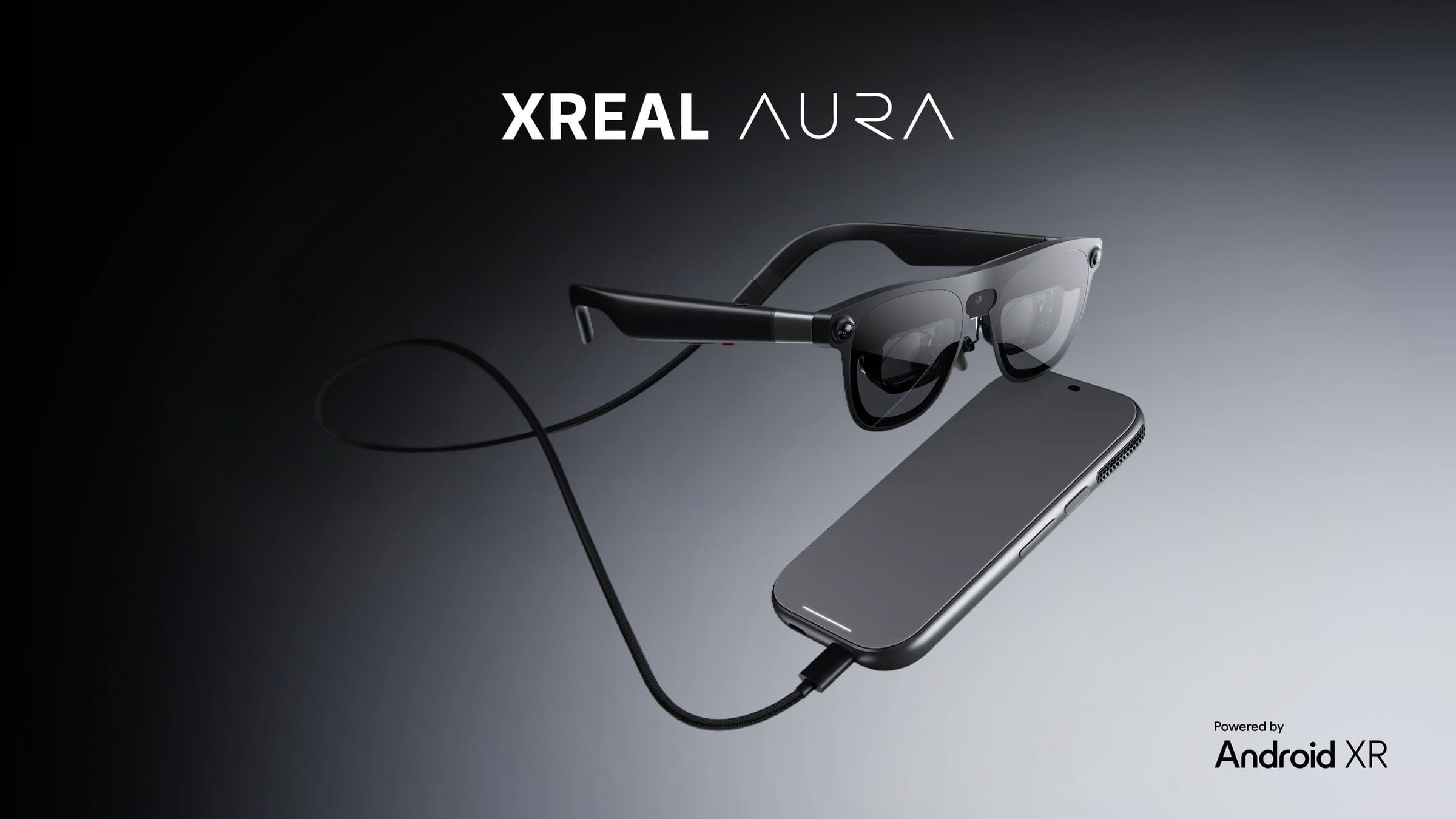
For display AR on a budget, Xreal remains the value leader. The Xreal One, at $499, is the pick for sheer image clarity — a big virtual screen for movies, gaming, and productivity that tethers to a phone, console, or laptop. Xreal's upcoming Aura, a standalone Android XR device launching in fall 2026 at a retail price capped under $1,500, undercuts Snap's Specs by around $700 and is shaping up to be the most affordable serious entry into standalone display AR yet. If you mainly want a private big screen on the go rather than an all-day AI companion, Xreal is where to look.
Even Realities G2: the best minimalist everyday pair
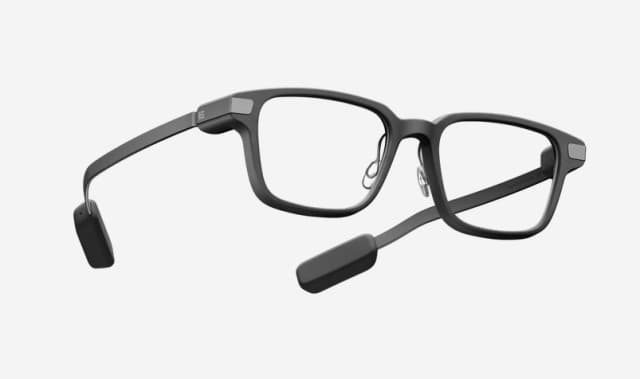
Not everyone wants a camera on their face. The Even Realities G2 is the best minimalist option: lightweight frames that look like normal prescription glasses but hide a subtle monochrome heads-up display for notifications, navigation, teleprompter, and quick AI answers — with no camera at all. For people who find Ray-Ban Meta's lens-mounted camera socially awkward or who simply want discreet glanceable information, the G2 is the most wearable, everyday-friendly smart pair on the market.
How to choose the right AI smart glasses
Start with what you want the glasses to do. If it's capturing life and having an assistant on call, get audio-and-camera glasses — Ray-Ban Meta Gen 2 for everyday wear, Oakley Meta Vanguard for sport. If you want to see information overlaid on the world, you're in display territory: Even Realities G2 for discreet text, Xreal One for a big private screen, Snap Specs for cutting-edge standalone AR. If you live on iPhone and value the smartest assistant, the incoming Google Android XR glasses are worth waiting for. And if you're a Samsung user, hold out to see the Intelligent Eyewear at Unpacked before committing.
Two practical notes for every buyer. Battery life is still the category's weak point — most camera glasses last a few hours of active use, so factor in the charging case. And privacy matters in both directions: capture indicators are small, so be considerate about recording others, and read how each maker handles the audio and images its AI processes. The technology is finally good enough that the etiquette is now the harder problem.
Frequently asked questions
What are the best AI smart glasses in 2026?
For most people, the Ray-Ban Meta Gen 2 (from around $379) is the best all-round pick. The Oakley Meta Vanguard is best for sport, the Even Realities G2 is best for minimalist everyday wear, Xreal One ($499) is the value display pick, and Snap Specs ($2,195) are the most capable standalone AR glasses. Google's Android XR glasses are the biggest upcoming wildcard.
Do smart glasses have a screen?
It depends on the type. Audio-and-camera AI glasses like Ray-Ban Meta have no display and rely on voice and sound. Display glasses like Snap Specs, Xreal, and Even Realities project visuals — from a subtle monochrome overlay to full augmented reality — at a higher price and shorter battery life.
How much do AI smart glasses cost?
Entry-level audio-and-camera AI glasses start around $299–$379 (Ray-Ban Meta Gen 2). Display AR glasses range from about $499 (Xreal One) to $2,195 (Snap Specs), with Xreal's standalone Aura expected under $1,500 in fall 2026.
Are Google smart glasses out yet?
Not yet. Google's Android XR glasses, powered by Gemini and shown at I/O 2026, are expected in a 'fall 2026' window with pricing still unconfirmed (estimated $299–$499 for the first model). The debut version is audio-and-camera only, with a display model expected in 2027. Samsung's related Android XR 'Intelligent Eyewear' is expected to be teased at Galaxy Unpacked on July 22, 2026.
Do smart glasses work with iPhone?
Ray-Ban Meta works with both Android and iPhone. Notably, Google's upcoming Android XR glasses are designed to pair with both Android and iOS out of the box, making them the first Android XR glasses to support iPhone directly.
Which smart glasses are best for the outdoors and sport?
The Oakley Meta Vanguard is the best choice for athletes and outdoor use, with a wraparound sport frame, a 12MP camera that records 3K video, 32GB of storage, and up to nine hours of battery life — more endurance than the standard Ray-Ban Meta.