AI keeps getting cheaper. Its real cost — power and water — is exploding
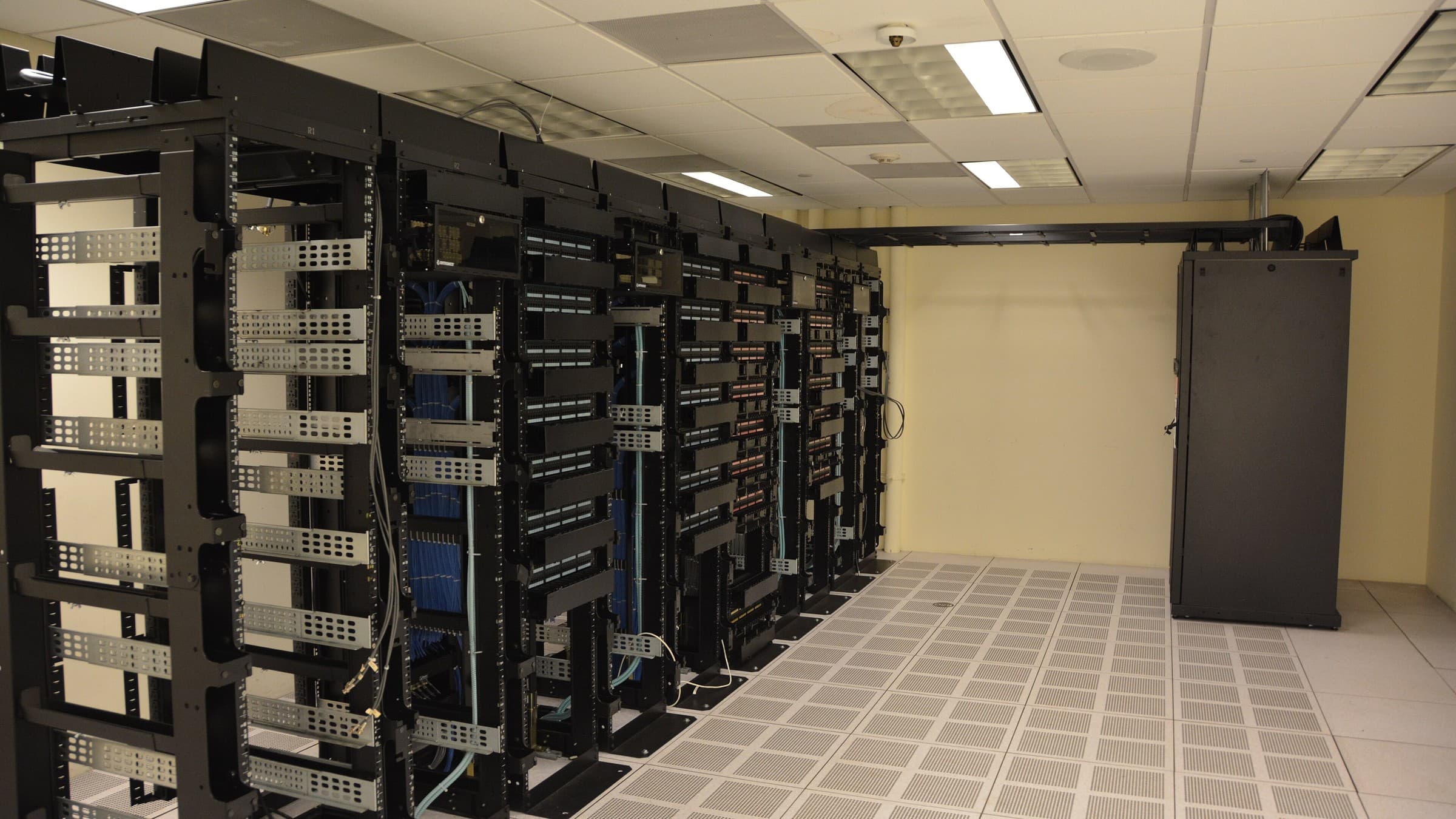
/ GPT-5.6 (Sol, Terra, Luna) pushed AI prices lower again — but the physical bill is soaring. Inside AI's real cost: 1,000+ TWh of electricity (more than Japan), the freshwater behind every query, and the grids already buckling.
by Hozefa Khety
· 8 min read
On July 9, 2026, OpenAI shipped GPT-5.6 — three models named Sol, Terra, and Luna — and the headline everyone repeated was the same one we hear every few months now: AI just got cheaper. Sol, the flagship, undercuts most rivals at $5 per million input tokens; Luna, the budget tier, drops to a single dollar. Anthropic, Google, and even Microsoft's own in-house models are all racing one another toward the floor. On a bill measured in dollars per token, artificial intelligence has never looked more like a bargain. But that price only describes what happens on your screen. The real cost of AI isn't paid in dollars — it's paid in megawatts and litres of water, and by almost every measure that bill is climbing exactly as fast as the sticker price falls.
This is the paradox at the centre of the AI boom. The cheaper each query gets, the more of them the world runs — and every one of those queries is a physical event that draws power from a grid and evaporates water from a cooling tower somewhere. Below, we follow that hidden bill from the price war on your screen all the way down to the power plants, reservoirs, and strained regional grids now paying for it.
The price war: AI has never looked cheaper
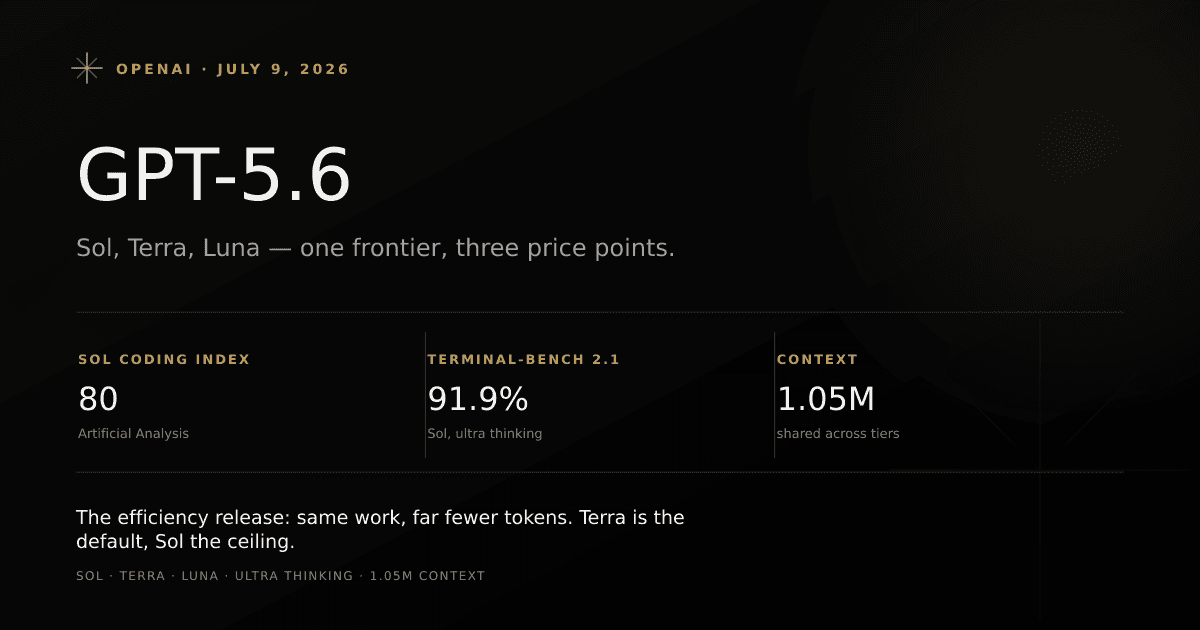
GPT-5.6's pricing tells the story of the whole market. Sol lands at $5 per million input tokens and $30 per million output; Terra sits at roughly half that ($2.50 / $15); and Luna, built for speed and volume, comes in at $1 / $6. Each generation of frontier model has arrived cheaper to run than the last, and competitors move in lockstep — Anthropic's latest Claude and Google's Gemini are priced to stay in the same fight. Microsoft has gone a step further, quietly swapping some OpenAI and Anthropic calls inside Excel and Outlook for its own cheaper MAI models. For anyone building on top of AI, the trend line is unambiguous: intelligence per dollar keeps rising, and the marginal cost of asking a machine one more question keeps shrinking toward zero.
But 'cheap' only describes your screen
Here's the pivot the pricing pages never show you. A token is not weightless. Behind every response is a rack of Nvidia accelerators drawing electricity, and behind that electricity is a cooling system consuming water. The dollar figure you pay has been engineered downward by better chips, bigger scale, and fierce competition — but the underlying physics has moved in the opposite direction. As models get larger and usage explodes, the total energy and water behind the world's AI is rising sharply, even as the price of any single query falls. To see the real cost, you have to stop looking at the invoice and start looking at the grid.
Electricity: past 1,000 TWh — more than all of Japan
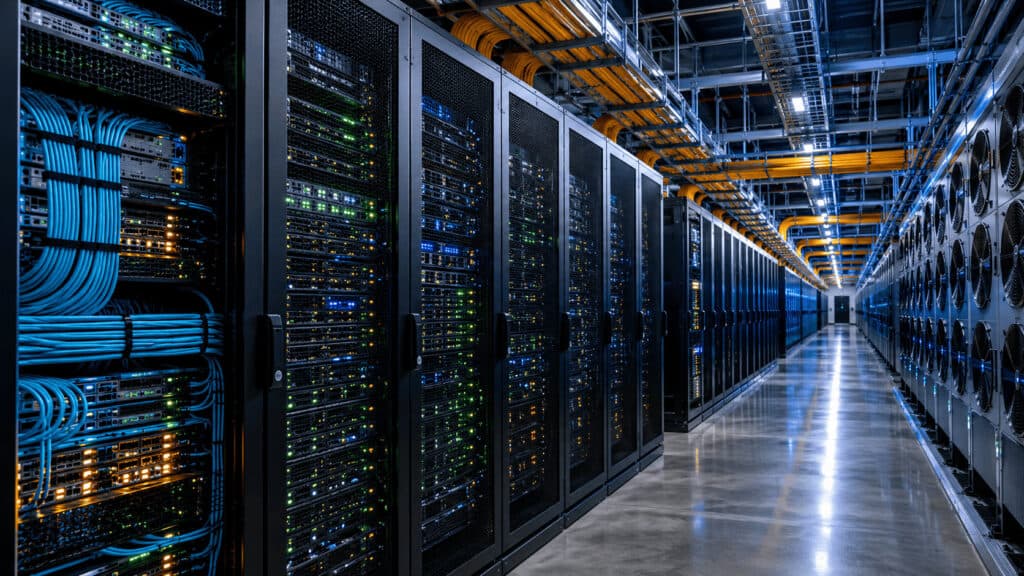
Start with power. Estimates vary, but a single AI query is widely put at around ten times the electricity of an ordinary web search — a modest-sounding multiple that becomes enormous when it runs billions of times a day. Aggregated up, the International Energy Agency projects that global data-center electricity demand will exceed 1,000 terawatt-hours in 2026, an amount roughly equal to the entire annual electricity consumption of Japan. That figure has nearly doubled in four years, from about 460 TWh in 2022, and AI is the single biggest driver of the acceleration. The uncomfortable truth is that the efficiency gains that make each token cheaper are being swamped by the sheer growth in how many tokens the world generates.
Water: the footprint nobody sees
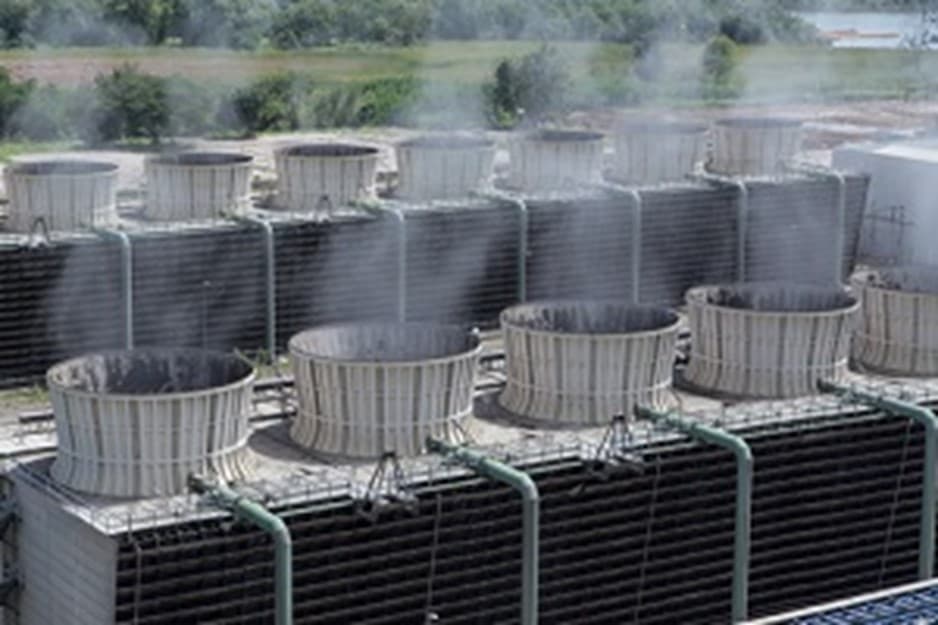
Then there's water, the part of the bill almost no one sees. Researchers behind the influential 'Making AI Less Thirsty' study estimated that training a single model of GPT-3's era evaporated on the order of 700,000 litres of clean freshwater for on-site cooling alone — and several million more once you count the water consumed at the power plants supplying the electricity. Inference adds up too: a run of a few dozen questions to a chatbot can be enough to evaporate a 500ml bottle of water. That water cost shows up in three places — the cooling towers at the data center, the thermoelectric plants generating its power, and the semiconductor fabs that build the chips in the first place — and none of it is reflected in the price you pay per token.
The grid is already buckling
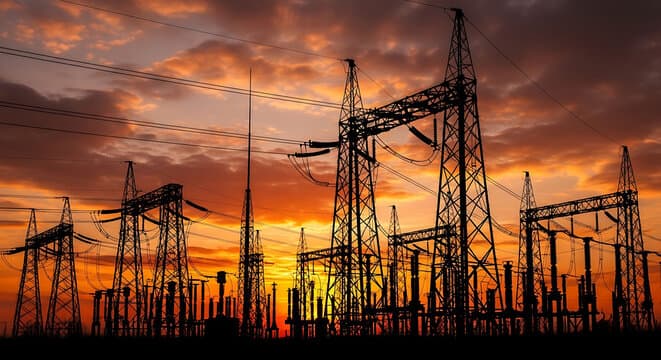
This is no longer a future problem. In Ireland, data centers already consume more than a fifth of the entire country's electricity, forcing the grid operator to restrict new connections around Dublin. In the United States, AEP Ohio froze new data-center hookups after interconnection requests ballooned to roughly 30 gigawatts — about three times the whole state's peak demand — and later imposed a special tariff forcing large data centers to pay for most of the capacity they reserve. Utilities in Northern Virginia, Texas, and Arizona are wrestling with the same math. 'Speed to power' — how fast a site can actually get connected — has quietly become the single biggest constraint on where and whether new AI capacity gets built.
Why Big Tech now chases power, not talent
The clearest sign of where the real bottleneck lies is in where the money is going. Microsoft has committed around $15.2 billion to AI infrastructure in the United Arab Emirates, and Meta is building a roughly $10 billion data-center campus in rural Louisiana — decisions driven less by talent pools or tax breaks than by one question: where can we find gigawatts of electricity to plug into? Increasingly, the industry is relocating its heaviest workloads to wherever there is spare grid capacity, cheap power, and a willing utility. The AI race, at the frontier, is turning into an energy race.
The rebound effect: cheaper AI means more of it
It's tempting to assume that falling prices and more efficient chips will eventually shrink AI's footprint. History suggests the opposite. This is the rebound effect — sometimes called Jevons paradox — in which making a resource cheaper to use causes total consumption to rise, not fall. Every drop in the price of a token invites new products, new always-on agents, and new users who would never have paid the old rate. The efficiency is real, but it is a discount that gets spent on volume. That is why the physical bill keeps growing even as the per-query cost collapses: cheaper AI doesn't reduce the total; it multiplies it.
What to watch next
None of this means the bill can't be managed — but it will take more than better chips. The most important threads to watch are the supply side and the disclosure side. On supply, hyperscalers are racing to secure firm, low-carbon power: long-term nuclear deals (including restarted plants and small modular reactors), dedicated solar and wind, and on-site generation to sidestep congested grids. On efficiency, liquid cooling and warmer-water designs can cut the water bill sharply. And on transparency, expect growing pressure — from regulators in the EU and beyond — for companies to actually disclose the energy and water behind their models, something most still resist. The number to keep your eye on isn't the price per token. It's how many terawatt-hours and litres it takes to serve the next billion queries.
AI can feel weightless — infinite intelligence summoned from a text box, getting cheaper by the month. But it rests on the most physical infrastructure humanity operates: power plants, water, and copper. The price on your invoice is falling. The one the planet pays is climbing. Understanding AI in 2026 means learning to read both bills at once.
Frequently asked questions
How much electricity do AI data centers use?
The International Energy Agency projects that global data-center electricity demand will exceed 1,000 terawatt-hours (TWh) in 2026 — roughly equal to Japan's entire annual electricity consumption, and nearly double the ~460 TWh used in 2022. AI is the single biggest driver of that growth.
How much more energy does an AI query use than a Google search?
A single AI query is commonly estimated at around ten times the electricity of a traditional web search (per figures cited by Goldman Sachs and the IEA). A widely-shared '1,000x' claim is not well supported; the ~10x figure is the more defensible one. Multiplied across billions of queries a day, even 10x adds up to enormous aggregate demand.
How much water does AI use?
Researchers estimate that training a single GPT-3-era model evaporated roughly 700,000 litres of freshwater for on-site cooling alone, with millions more consumed at the power plants supplying its electricity. On the inference side, a session of a few dozen chatbot questions can evaporate about a 500ml bottle of water. The water is used for cooling, power generation, and chip manufacturing.
Why is AI getting cheaper but using more energy?
Because of the rebound effect (Jevons paradox): as each query gets cheaper thanks to better chips and competition, the world runs far more queries overall. The efficiency gains per token are real, but total usage grows faster, so aggregate energy and water consumption keeps rising even as the price per query falls.
Which regions are most strained by AI data centers?
Ireland's data centers already consume over 20% of the country's electricity, prompting connection restrictions around Dublin. In the US, AEP Ohio froze new data-center hookups after requests hit about 30 GW — three times the state's peak demand — and Northern Virginia, Texas, and Arizona face similar grid pressure. 'Speed to power' is now the main constraint on new AI capacity.
What is GPT-5.6 and how is it priced?
GPT-5.6 is OpenAI's model family launched on July 9, 2026, with three tiers: Sol (flagship, $5/$30 per million input/output tokens), Terra (balanced, ~$2.50/$15), and Luna (fast and cheapest, $1/$6). Its aggressive pricing is part of a broader industry price war with Anthropic, Google, and Microsoft's own models.