Meta Muse Wonder: price, access, what it does
/ Meta launches Muse Wonder frontier models on Oct 12, 2026. API costs $4/$20 per 1M tokens; Wonder Full needs Muse Code Power ($50) or Maximum ($200).
by Hozefa Khety
· 8 min read
Meta just put a frontier model on the board. On October 12, 2026, Meta Superintelligence Labs launched Muse Wonder and Muse Wonder Full — the company's most capable models yet, aimed at long-running personal and professional agents, coding, and multi-step work. Muse Wonder is available today on the Meta Model API and in Muse Code. Muse Wonder Full, the stronger sibling, stays inside Muse Code on the Power Usage and Maximum Usage plans. Here is the price, how to get access, and what Meta says the models actually do. (Prices and plan names checked October 12, 2026 at about 21:35 UTC / 03:05 IST October 13 against Meta's newsroom, Model API docs, and Muse Code help pages.)
Muse Wonder price: API and Muse Code plans
On the Meta Model API, Muse Wonder uses the model ID muse-wonder-1.0. Official Standard-mode rates are $4.00 per million input tokens, $20.00 per million output tokens, and $0.20 per million cached-input tokens. Contributor mode is not offered for Wonder on the pay-as-you-go API. Web search grounding costs an extra $2.50 per 1,000 search queries on top of token use. Rate limits for muse-wonder-1.0 are 3,000 requests and 4 million tokens per minute per team.
Muse Wonder Full has no public pay-as-you-go API price. Meta's models docs say it is available only in Muse Code on Power Usage and Maximum Usage. Muse Code monthly plans on Meta's help page are Everyday Usage at $5, High Usage at $15, Power Usage at $50 (access to the most powerful Muse models, 20× Everyday usage), and Maximum Usage at $200 (80× Everyday usage). Wonder itself is available on every Muse Code plan; Full is the Power/Maximum add.
What Muse Wonder is built to do
Meta frames Wonder as a step up from Muse Spark: larger models trained at the Prometheus data center for agentic tasks that stretch across apps, documents, and time. Two features get top billing. Active Memory carries important context about you across conversations and pulls back what is relevant to the current job. Active Focus keeps the model working toward a hard goal — trying other approaches, recovering from errors, asking for clarification, and checking in before consequential actions.
The Model API docs describe Muse Wonder as built for complex software engineering and long-horizon agents: multi-file edits, planning, sub-agents, parallel tool calls, and computer use. Inputs can include text, image, video, audio, and PDF; output is text. The context window is 1,048,576 tokens, with reasoning effort levels from "minimal" to "max". Meta notes that setting reasoning effort to "max" on Muse Wonder does not switch you to Wonder Full — Full is a separate Muse Code–only variant. Muse Wonder is listed as in preview.
Benchmarks Meta and Artificial Analysis cite
Meta's research post and model card compare Wonder and Wonder Full with other frontier models on agent, memory, coding, and professional tasks. Independent scorer Artificial Analysis, as reported by VentureBeat on October 12, 2026, put Muse Wonder Full at 56 on its Intelligence Index (tied with Anthropic's Claude Sonnet 5.5) and standard Muse Wonder at 52, just behind GPT-6 Astra and Gemini 4 Argon at 53 on that same index, with Claude Opus 5.5 still ahead at 58. Meta's own table (also summarized by VentureBeat) shows Wonder Full competitive on long-running coding (SWE-Marathon) and some legal/business agent tasks, while other models still lead on terminal and health benches. Treat vendor and third-party scores as directional — re-check against your own workflows.
How Wonder will show up in Muse for people
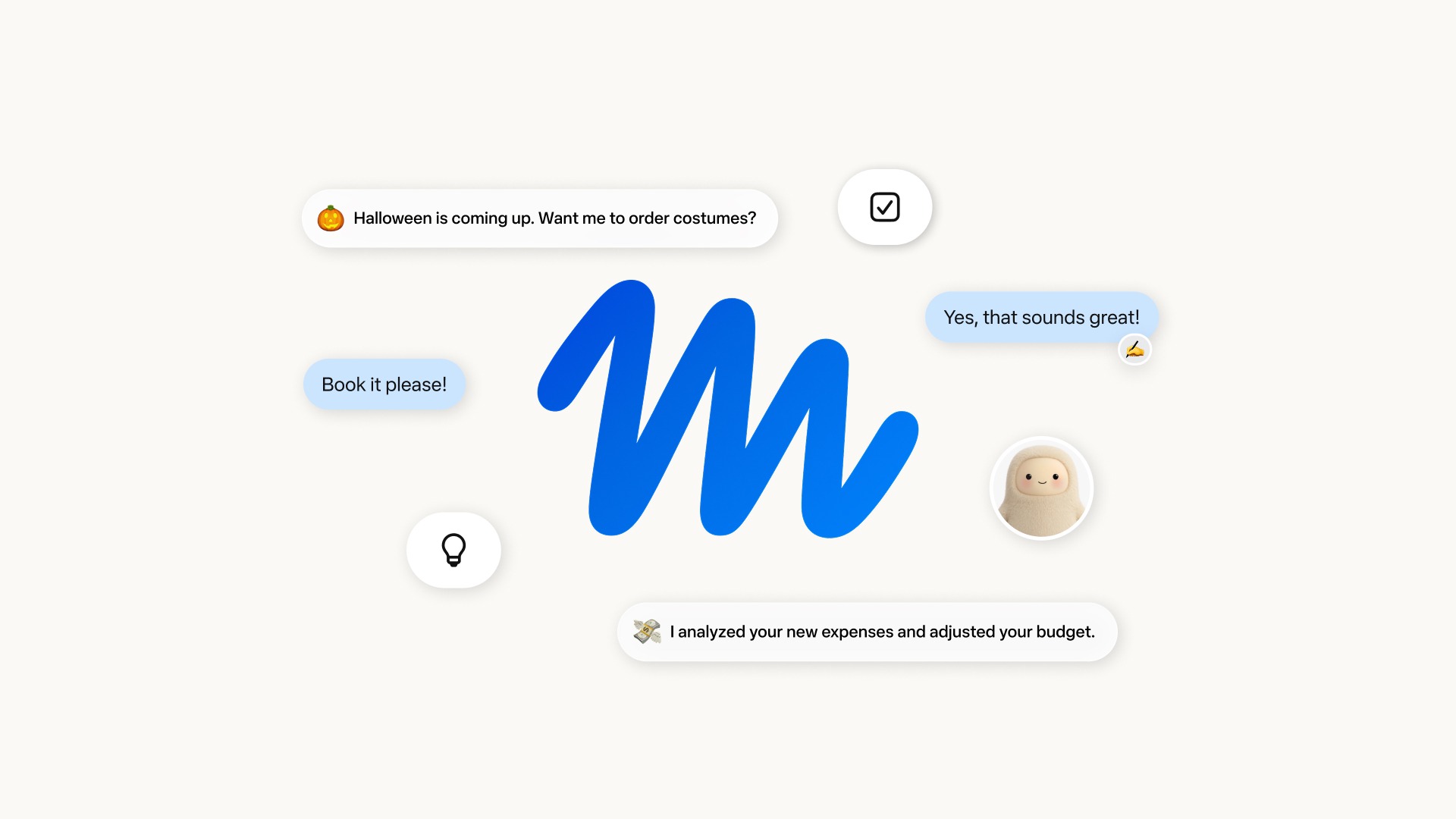
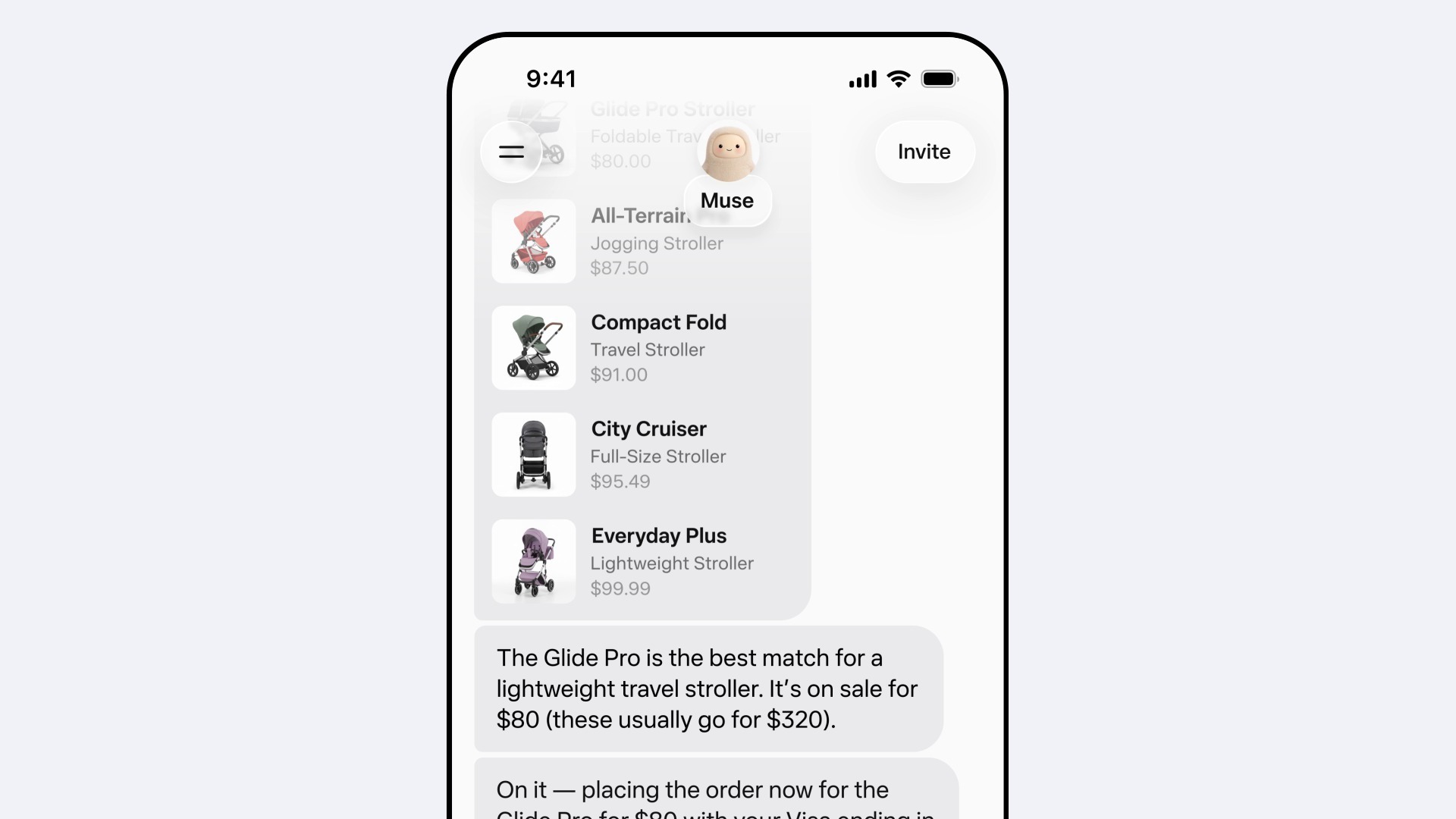
For end users, Meta says Muse Wonder will soon power more of the Muse agent and will roll out first to subscribers. It will also power heavier artifact generation and processes that need more intelligence. Developers can already call muse-wonder-1.0 through the Meta Model API and Muse Code. That matters if you already use Muse for shopping, planning, or coding — the agent Meta demoed at Connect with chat-style confirmations like "Book it please!" — because the brain behind those flows is what Wonder is meant to upgrade.
Safety, data use, and what to watch
Meta says it trained the Wonder family to avoid sharing private information without permission, refuse help with actually harmful acts, and still allow defensive security work on your own code. A fuller safety report is promised. On data: Standard mode on the Model API does not use your content to train Meta models. Muse Code subscriptions default to Contributor mode (more usage in exchange for training use); you can turn that off in settings for future submissions. Meta also offers zero data retention for qualified API organizations, with feature trade-offs.
Practical takeaway: if you need a hosted frontier model with familiar $4/$20 token pricing and OpenAI/Anthropic-compatible tooling hooks, Wonder is live today. If you need Meta's strongest variant, you subscribe to Muse Code Power or Maximum — there is no Full API SKU yet. For Google's frontier stack and free-tier changes, see our Gemini coverage below.
Sources
Meta newsroom, "Introducing Muse Wonder and Muse Wonder Full: Frontier Models for Agents" (October 12, 2026); Meta AI Research, "Muse Wonder" (October 12, 2026); Meta Model API Pricing and rate limits and Models docs (muse-wonder-1.0 rates and Wonder Full availability); Meta AI Developer Help Center, Muse Code subscription plans ($5 / $15 / $50 / $200); TechCrunch (Russell Brandom, October 12, 2026); VentureBeat (Carl Franzen, October 12, 2026, citing Artificial Analysis Intelligence Index scores). Prices live-checked October 12, 2026 at about 21:35 UTC.
Frequently asked questions
How much does Muse Wonder cost on the Meta Model API?
Official Standard-mode pricing for muse-wonder-1.0 is $4.00 per million input tokens, $20.00 per million output tokens, and $0.20 per million cached-input tokens. Contributor mode is not available for Wonder on pay-as-you-go. Web search grounding is $2.50 per 1,000 queries extra.
What is Muse Wonder Full and how do I get it?
Muse Wonder Full is Meta's higher-capability Wonder variant. Meta's Model API docs say it is not available on pay-as-you-go; it is available only in Muse Code on the Power Usage ($50/month) and Maximum Usage ($200/month) plans.
When did Meta launch Muse Wonder?
Meta announced Muse Wonder and Muse Wonder Full on October 12, 2026. Muse Wonder is available the same day through the Meta Model API and Muse Code; Wonder Full is available the same day for eligible Muse Code subscribers.
How is Muse Wonder different from Muse Spark?
Meta positions Wonder as a larger, more capable frontier class for long-horizon agents and hard coding, while Spark is the lighter, cheaper line for high-volume or latency-sensitive work. Spark Standard API pricing starts at $1.25 / $4.25 per million input/output tokens — well below Wonder's $4 / $20.
Will Muse Wonder power the Muse consumer agent?
Yes. Meta says Muse Wonder will soon power experiences in Muse and will roll out first to subscribers. It will also power heavier artifact generation and higher-intelligence processes inside Muse.
Does Muse Wonder have a 1 million token context window?
Meta's Model API docs list a 1,048,576-token context window for Muse Wonder, with multimodal input (text, image, video, audio, PDF) and text output. Reasoning effort can be set from minimal to max; max on Wonder does not unlock Wonder Full.
Is Muse Wonder open-weight?
No. Wonder and Wonder Full are hosted proprietary models. Meta's open-weight Muse line is Muse Glimmer, which you download and run yourself — separate from Wonder.