Everything you may have missed at Apple's September event
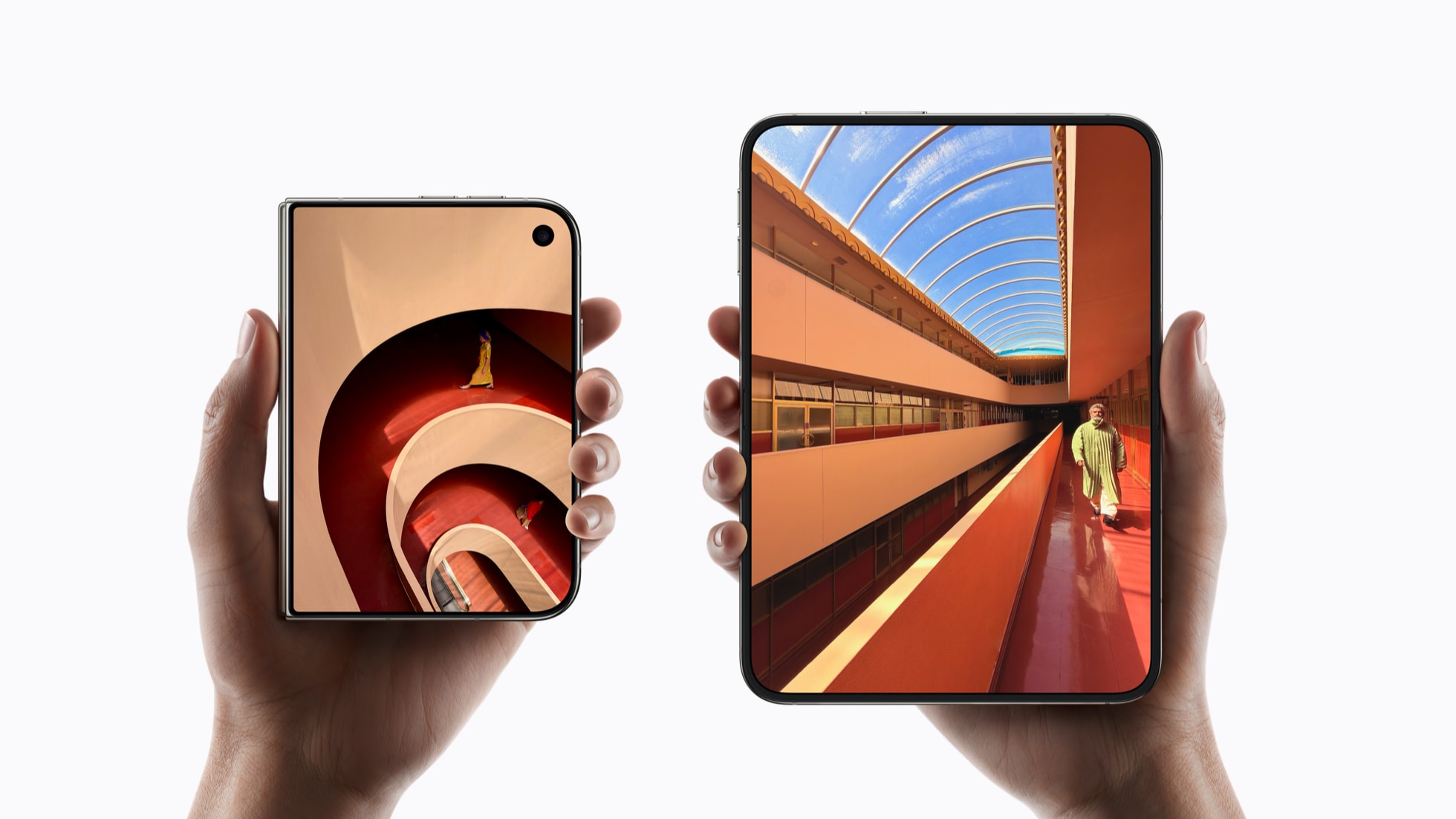
/ Beyond the iPhone Duo, Apple made its Pro camera more capable, split AirPods 5 in two, and put a new always-ready AI layer on Apple Watch.
by Hozefa Khety
· updated · 9 min read
The iPhone Duo was always going to take over Apple's September event. It is the company's first foldable, it starts at $1,999, and it changes the familiar shape of the iPhone. But the interesting parts of this launch were often hiding under the headline. Apple made the iPhone camera more serious, split AirPods 5 into two surprisingly different products, turned Apple Watch into a recovery coach, and introduced a Watch feature that will test how much people trust a microphone on their wrist.
There is a pattern running through all of it. The hardware is ready to buy. Much of the intelligence story is arriving in beta, later in the year, in selected languages and regions. That does not make the new products less real. It does mean buyers should look closely at the fine print before deciding which promise is worth paying for.
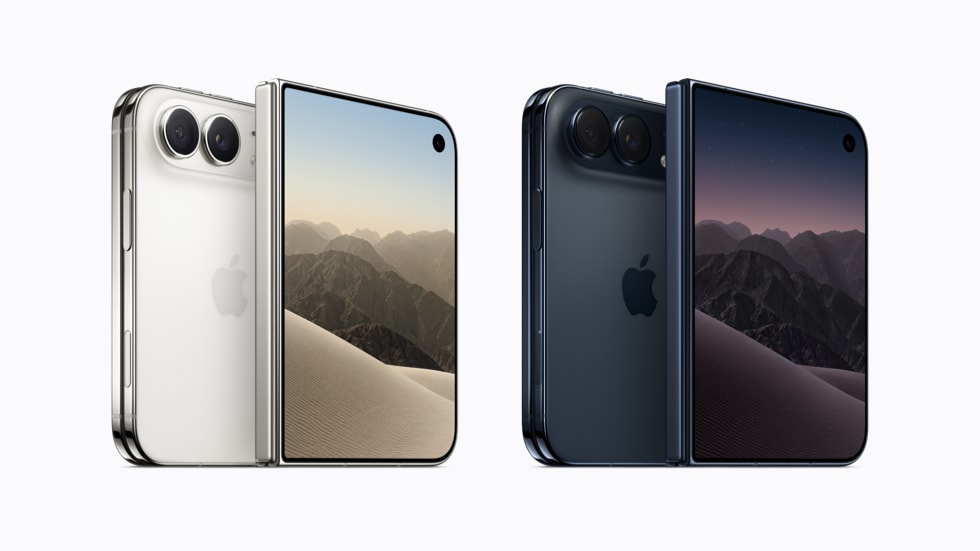
The iPhone Duo is a first foldable with first-generation trade-offs
Duo opens to a 7.6-inch display and closes to a 5.4-inch outer screen. Both panels have ProMotion and Always On, while the inside panel uses a nano-texture finish to cut glare and reduce the look of the crease. Apple has built it from Grade 5 titanium, given it a 100-plus-component hinge, and rated it IP68 for dust and water resistance. At 5.2mm open, it is Apple's thinnest iPhone.
The compromises start to show when you compare it with the iPhone 18 Pro. Duo has a 48MP main camera and a 48MP ultrawide, but no dedicated telephoto. It uses Touch ID in the side button rather than Face ID. Its interior FaceTime camera sits below the display, which keeps the big screen clean but will need real-world testing. Apple Pencil support is also coming later this year, not at launch.
That is not a reason to dismiss the Duo. A phone that turns into a small tablet has a real use case for reading, video, games and multitasking. Apple has also added Split View, saved app pairs, drag-and-drop between apps, and StandBy without a charger. But $1,999 buys access to Apple's first attempt at a category that other phone makers have already spent years refining in public. The Duo needs to earn that early-adopter price in daily use, not just in a hands-on demo.
The iPhone 18 Pro camera upgrade is more serious than it looks
The iPhone 18 Pro looks like a familiar annual update, which makes its best new feature easy to miss. The 48MP main camera has a variable aperture. It can open wider to let in more light or stop down when you want more of a group photo in focus. Apple also added Pro Controls for aperture, shutter speed, white balance and a histogram.
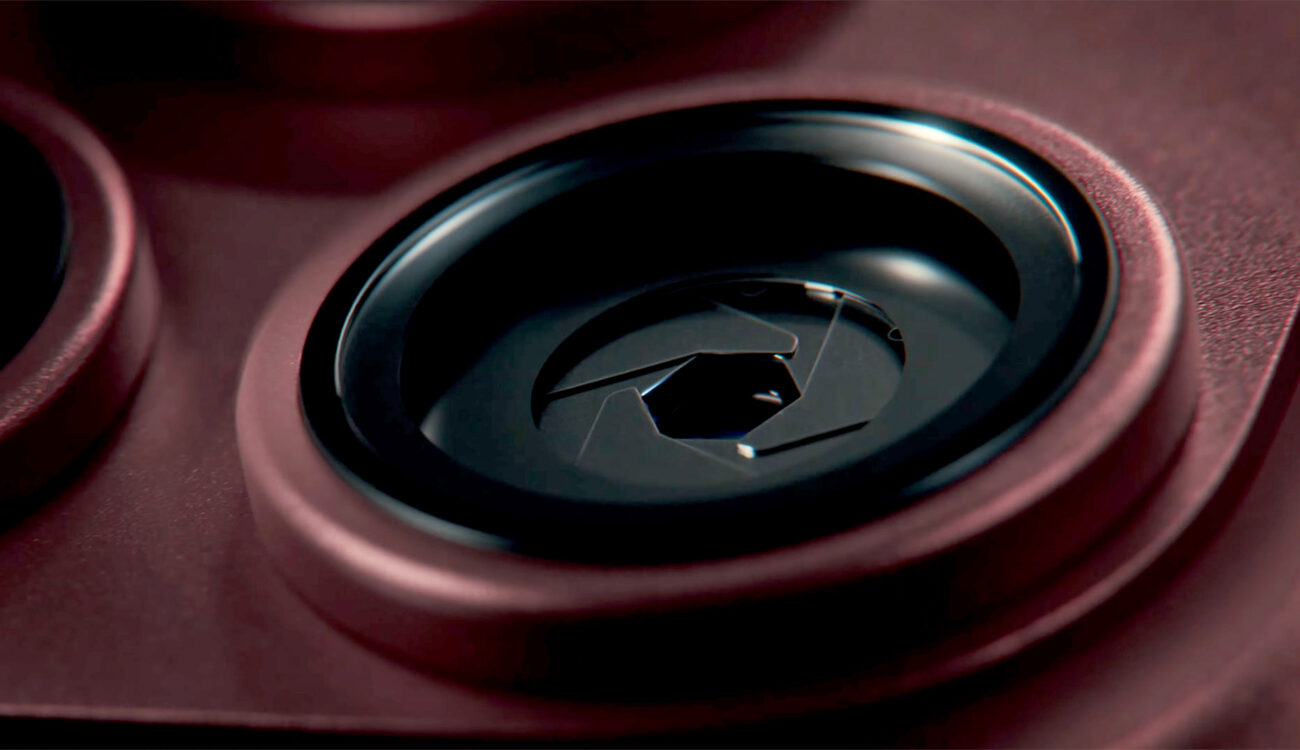
Phones have become very good at deciding what a photo should look like. They have been less good at letting the person holding the phone disagree. Variable aperture gives photographers a physical control that computational photography cannot fully imitate. It will matter most in low light, close-ups and crowded scenes, where a phone often has to choose between a blurry background and a sharp one.
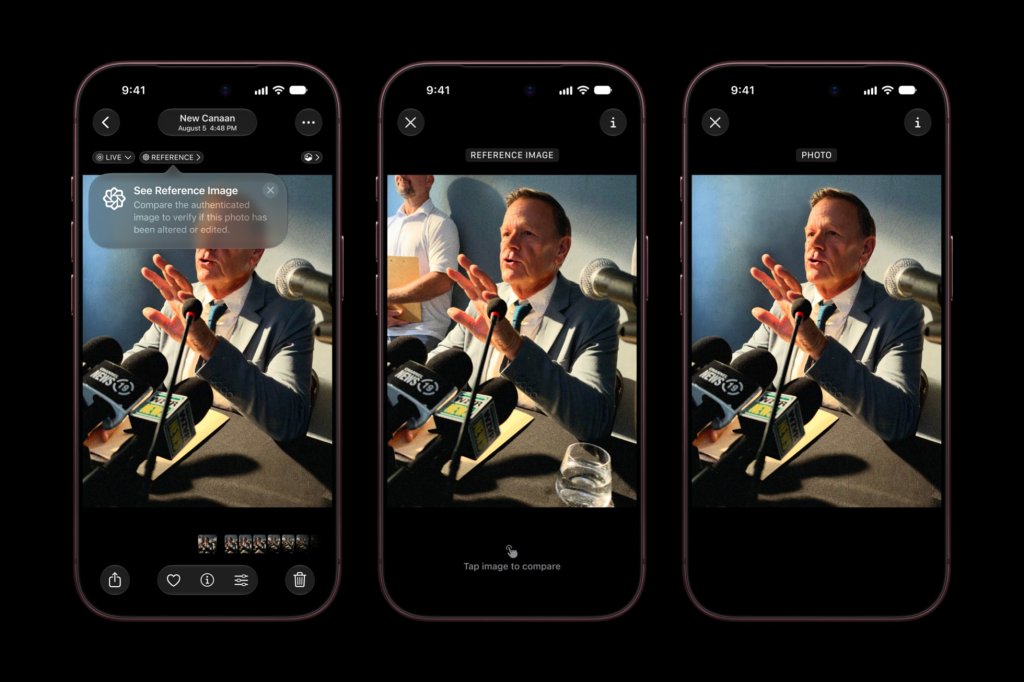
The other quiet camera feature is Apple Reference Image. When a user opts in, the main camera can create a separately protected reference image alongside the edited photo. It is closer to a digital negative than a universal truth stamp. It can help establish what the sensor saw, but it will not prove that every iPhone image online is authentic. Capture is not available at launch in China or the EU.
The Pro phone is also the safer battery and performance bet
Both Pro models and the Duo use Apple's A20 Pro chip, but the Pro phones are better equipped for buyers who want the least compromise. They have a larger vapor chamber for sustained performance, a telephoto camera, and faster charging. Apple says an eSIM-only iPhone 18 Pro can reach 50 percent charge in around 15 minutes with the right 60W USB-C charger. That charger is sold separately, and the result is an Apple lab figure. Still, it is a more practical improvement than another unlabelled performance graph.
The 18 Pro starts at $1,199, while the Pro Max starts at $1,299. In India, the starting prices are Rs 164,900 and Rs 179,900. Apple did not announce a standard iPhone 18 at this event. This was a premium-only iPhone launch, with the foldable positioned as the most expensive option.
AirPods 5 are two products separated by $20
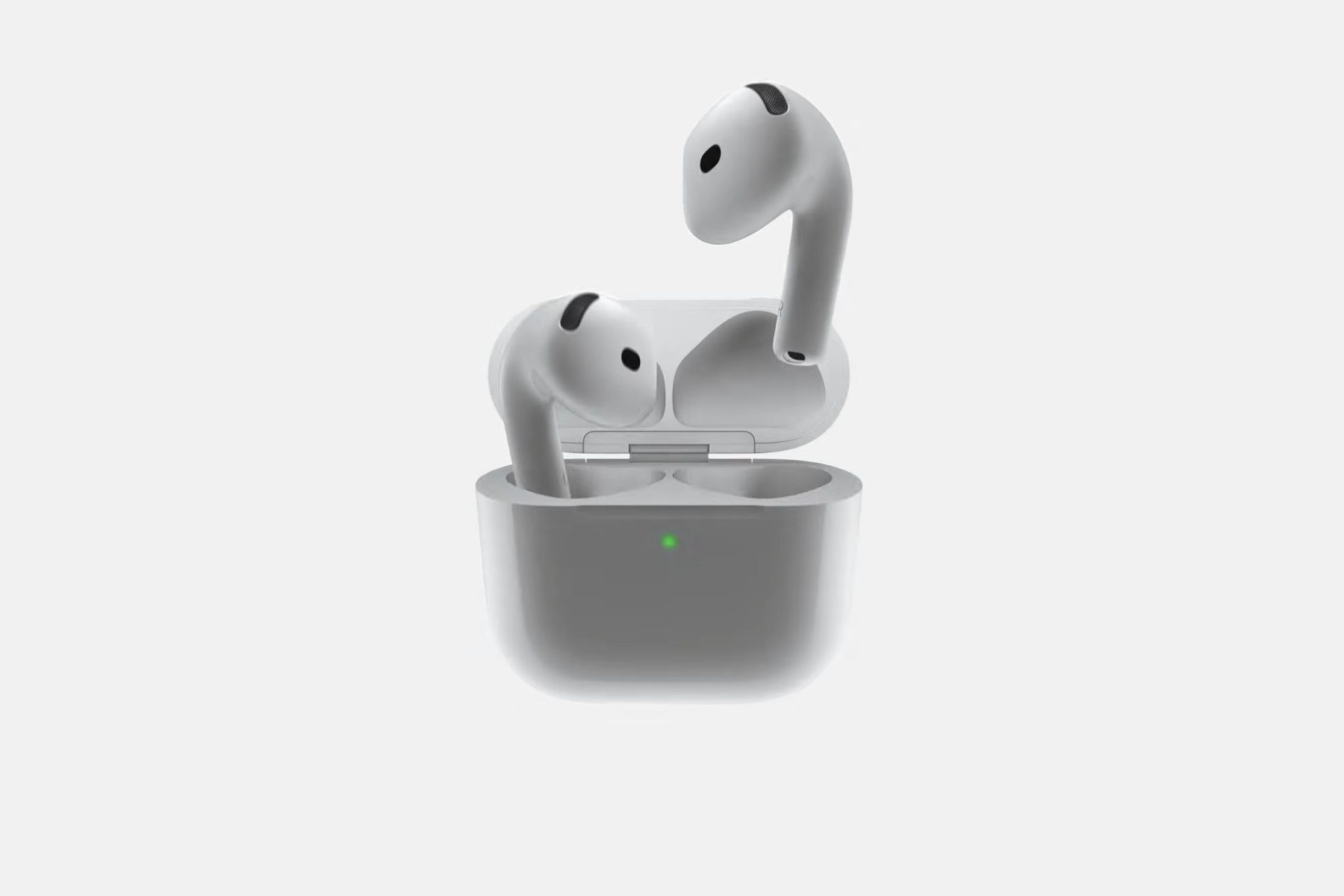
AirPods 5 start at $129, or Rs 14,900 in India, and both versions now have active noise cancellation despite their open-ear shape. Apple says the new acoustic design removes up to 50 percent more external noise than AirPods 4 with ANC. That is Apple's lab comparison, and it is especially dependent on how well the open design fits an individual ear.
The confusing part is the $149 Wireless Charging Case model, or Rs 17,900 in India. It is not simply the same earbuds with a different case. It alone gets on-stem volume controls, Qi and Apple Watch charging, and Apple's stated five hours of ANC playback or 22 hours with the case. The $20 step up is so small that it makes the cheaper model feel deliberately incomplete.
Apple Watch now wants to tell you whether to train or rest
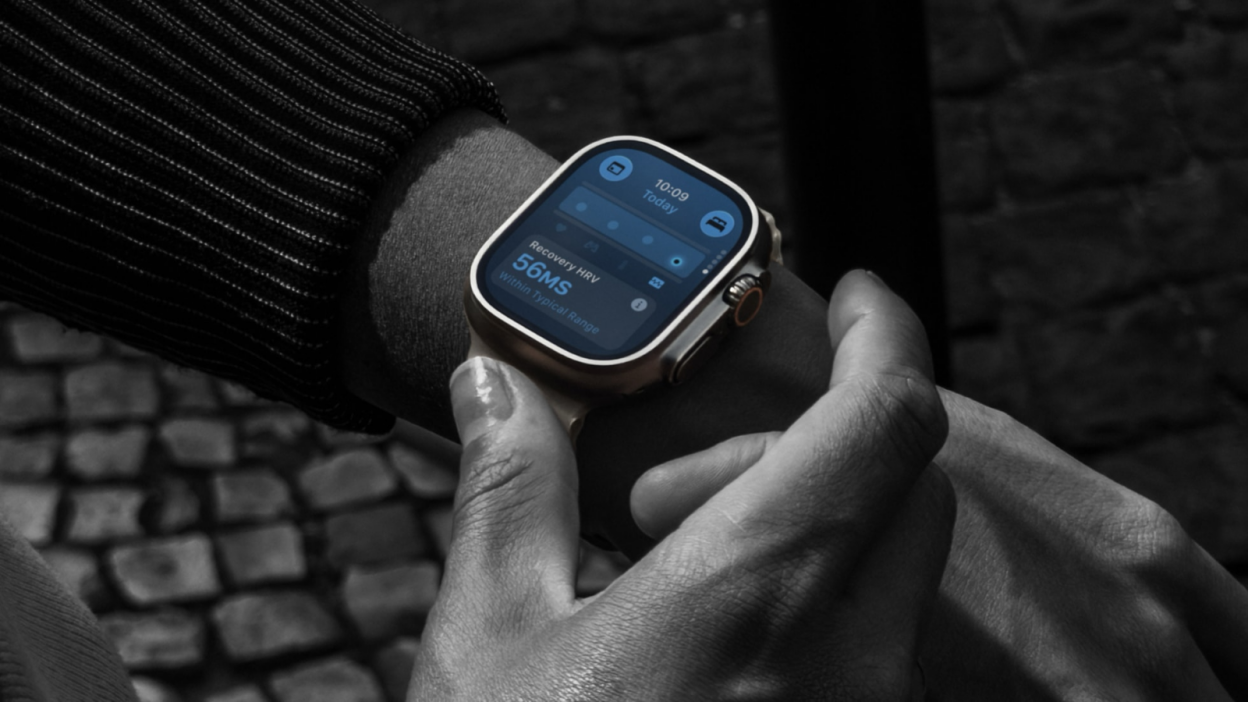
The real Apple Watch launch is a shared one. Series 12 and Ultra 4 get a new Health Sensing System and the S11 chip. Apple says the watches can measure heart rate every five seconds throughout the day and collect heart-rate variability readings up to 24 times more often. That data feeds a new Readiness score.
Readiness is a 0-to-10 score based on recent activity, training load, vitals and sleep. It updates through the day and gives a plain recommendation: Recover, Pace Yourself, Ready or Go For It. This is a smart move. Wearable data can become another source of anxiety when it is presented as rows of charts. A useful nudge is more valuable than a tenth sleep score screen.
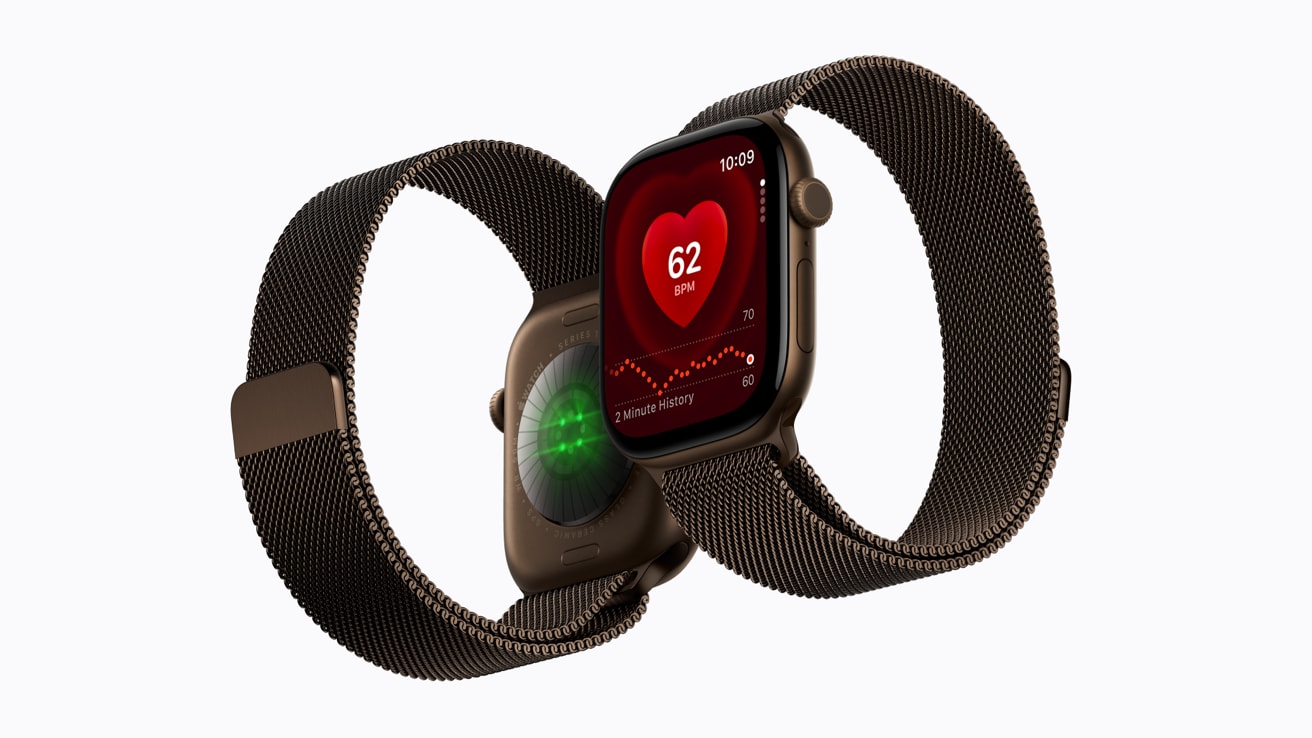
Apple's claim that these watches offer the most accurate heart-rate sensing in a wearable comes from an Apple-conducted study, not independent testing. Readiness is also a wellness feature, not a diagnosis. Those caveats matter. So does Ultra 4's 45-hour Max Extended Workout figure, which uses Low Power Mode and gives up alerts, splits and some metrics to get there.
The new Watch AI features are useful and a little unsettling
Audio Intelligence is the most delicate part of the launch. Later this year, Series 12 and Ultra 4 will get Live Rewind, which can show text from the previous 15 seconds after a double press of the Digital Crown. Siri Recap can create a short summary of a conversation for the user to revisit. Sound Recognition can alert a deaf or hard-of-hearing user to sounds such as a siren, alarm, doorbell or a crying baby.
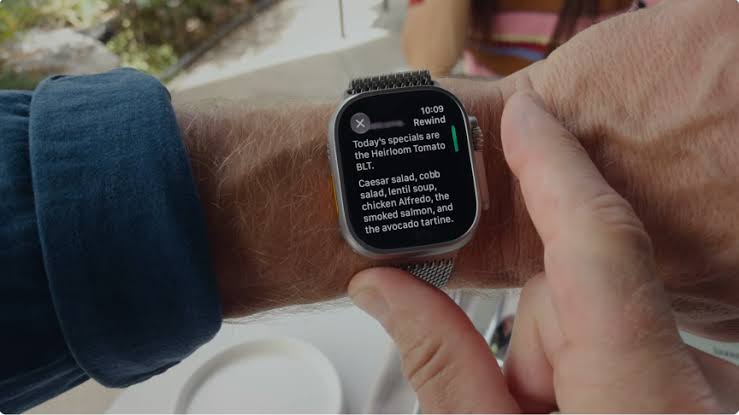
Apple says raw audio is processed inside a hardware-isolated part of the S11 chip called Secure Exclave and then deleted. The company says the features do not create or store audio recordings. Users must opt in, and Live Rewind plays a chime and shows a visual indicator when it is used. That is a far more careful design than quietly recording everything. It still asks people to get comfortable with a watch listening closely enough to recover something said moments ago. The privacy design may be sound. The social reaction is harder to predict.
The biggest asterisk is still 'later this year'
Siri AI begins as a beta in English, with more languages planned for October. Live Rewind and Siri Recap arrive later in 2026. AirPods Live Translation needs a compatible Apple Intelligence iPhone, current software and downloaded languages. Availability also varies by region, and some of the features are not initially available in the EU.
Apple's September event was not a routine upgrade cycle. It launched a foldable iPhone and made the rest of the range a test of whether personal AI and health data can feel useful without becoming invasive. The hardware makes a convincing case. The software still has some trust to earn.
See more of The Threshold on Google
Add us as a preferred source to see more of our stories in your Top Stories.
Frequently asked questions
What did Apple announce at its September 2026 event?
Apple announced iPhone 18 Pro and iPhone 18 Pro Max, its first foldable iPhone Duo, AirPods 5, Apple Watch Series 12 and Apple Watch Ultra 4. The event also introduced Apple’s A20 Pro chip, the Watch Health Sensing System, and the Siri AI beta arriving with iOS 27 and watchOS 27.
How much does iPhone Duo cost?
iPhone Duo starts at $1,999 in the US with 256GB of storage. It is available in 256GB, 512GB, 1TB and 2TB configurations. Pre-orders begin October 16 and it goes on sale October 23 in more than 70 countries and regions.
What is new on iPhone 18 Pro?
iPhone 18 Pro adds A20 Pro, a 48MP main camera with four-position variable aperture, new Pro Controls, Apple Reference Image, a larger vapor chamber, an Apple C2 modem, Wi-Fi 7, Bluetooth 6 and 25W MagSafe or Qi2 charging. It starts at $1,199 in the US.
Are AirPods 5 the same at $129 and $149?
No. Both AirPods 5 versions have open-ear ANC, Transparency, Adaptive Audio and Siri features. The $149 Wireless Charging Case version alone adds stem volume swipes, Apple Watch and Qi charging, and Apple's stated five-hour ANC playback and 22-hour case total.
Is Apple Watch Readiness a medical feature?
No. Readiness is a wellness score that uses recent activity, training load, vitals and sleep data to suggest whether to recover or train. Apple says Vitals is not for medical use, and the score does not diagnose a condition.
Does Apple Watch store recordings for Live Rewind or Siri Recap?
Apple says no. It says Secure Exclave on the S11 chip processes the raw audio in isolation and immediately deletes it. Live Rewind and Siri Recap are opt-in beta features arriving later in 2026, with language, region and hardware requirements.