The great memory squeeze: should you buy a phone, laptop, or RAM now — or wait?
/ AI ate the memory supply. DDR5 kits cost 4–5x what they did a year ago, SSDs have doubled, and phone and laptop prices are climbing 15–20%. Here's why memory prices exploded in 2026 — and exactly when to buy and when to wait.
by Hozefa Khety
· 9 min read
A 32GB kit of DDR5 that cost about $80 in the middle of last year now sells for roughly $400. A 1TB Gen5 SSD that was €100–130 a year ago trades closer to €250 today. Apple has raised list prices on nearly everything that is not an iPhone, laptop makers are quietly nudging configurations up 15–20%, and phone brands are budgeting a quarter more per handset just to cover memory. If you are shopping for a phone, a laptop, or parts for a PC build in 2026, you have almost certainly felt it — and the only question that matters is whether to buy now or wait for the storm to pass. The short answer, unfortunately, is that the storm is not passing. Here is why, and exactly what to do about it.
How bad the price spike actually is
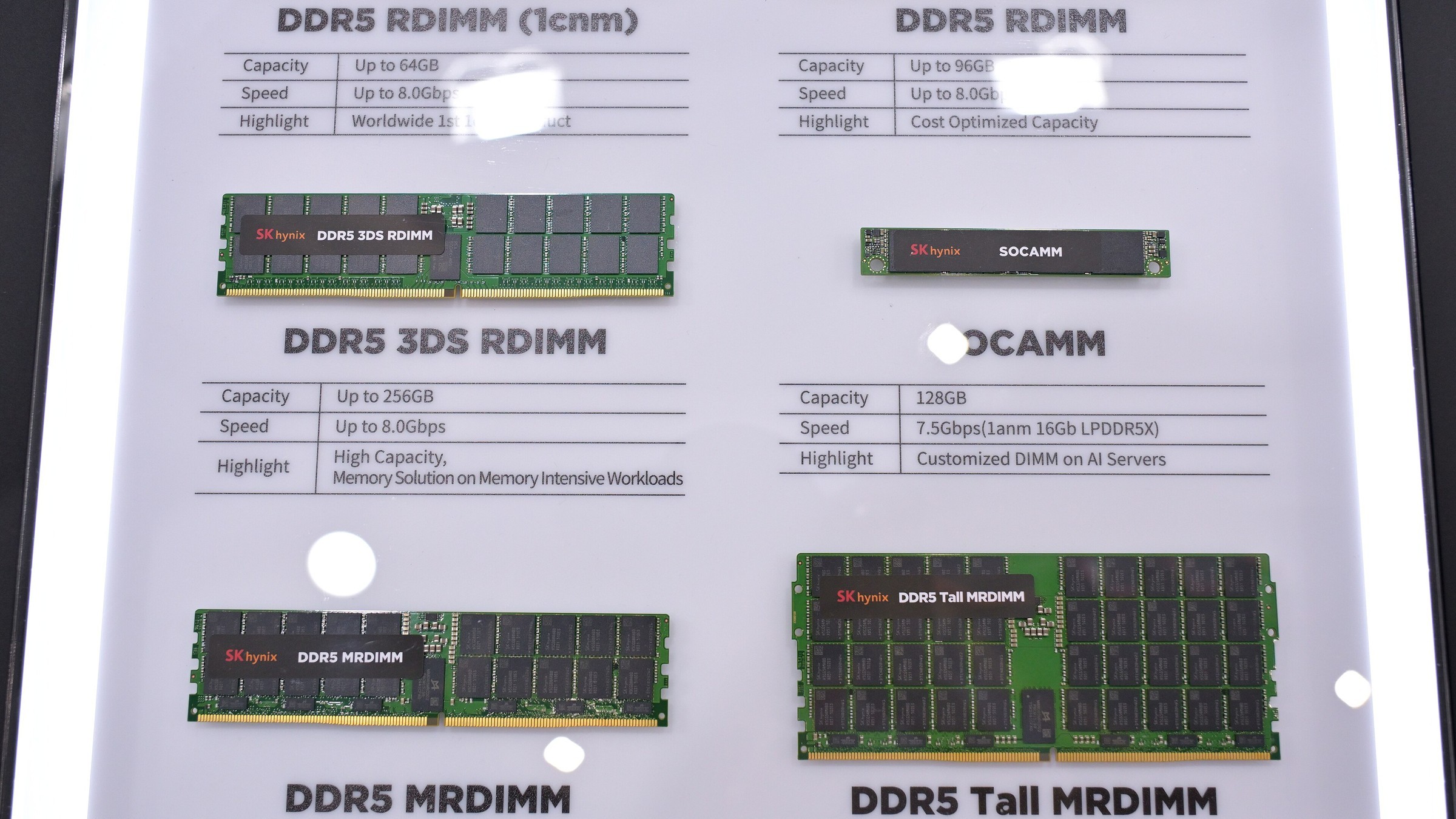
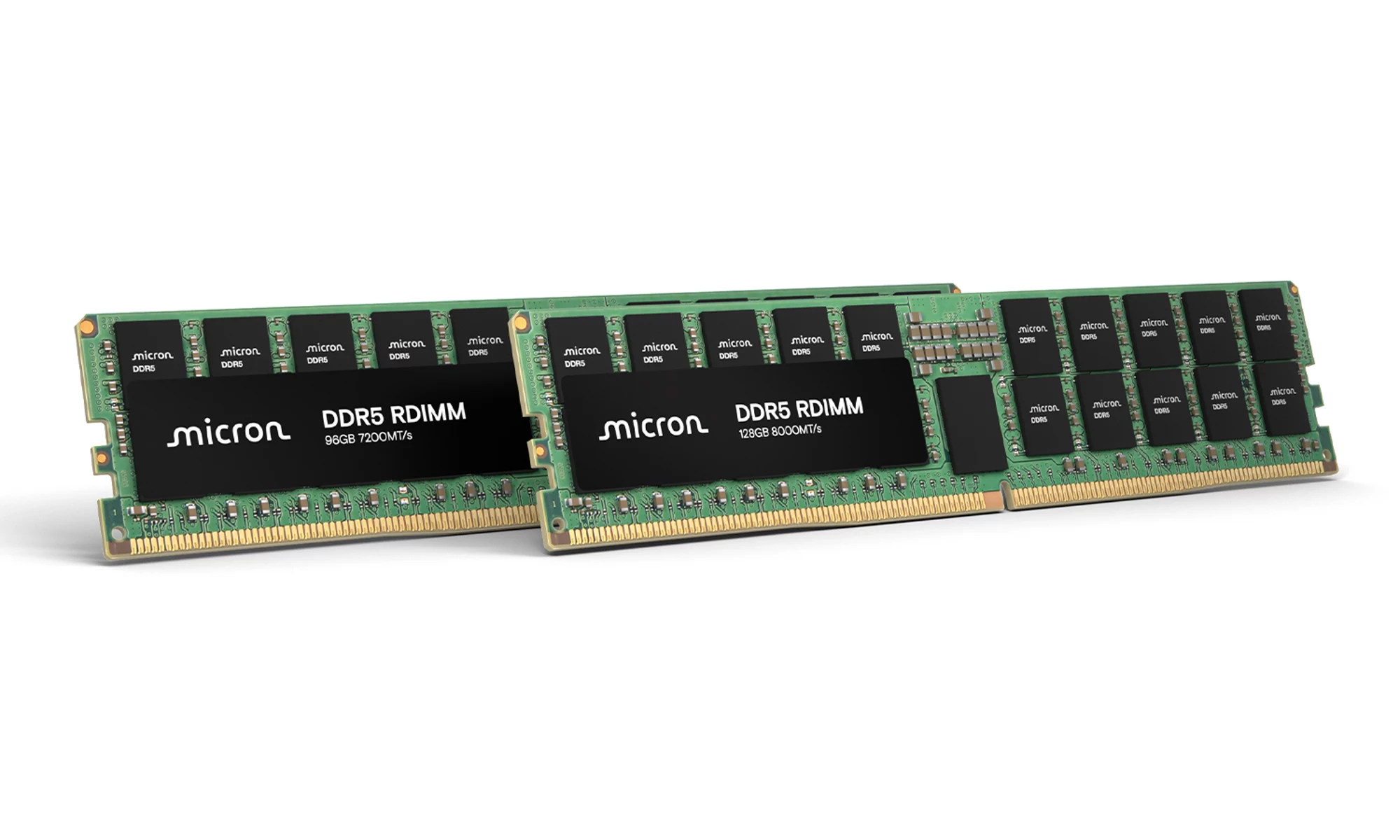
This is not the usual gentle drift in component prices. DRAM rose roughly 90% in the first quarter of 2026 alone, and Gartner has forecast memory costs climbing as much as 130% across the year. The raw numbers are stark at the chip level: a single 16Gb DDR5 die that sold for about $6.84 in September 2025 was going for around $27.20 by December — nearly a 300% jump in one quarter. That flows straight through to the parts you actually buy. A 32GB DDR5-6000 kit that cost around $80 in mid-2025 now runs $375 at the very cheapest and $400–450 for anything decent, so builders are paying four to five times what they did a year ago for the same sticks.
Storage tells the same story. NAND flash pricing has more than doubled in six months, with entry NAND that cost roughly $4.80 mid-2025 now around $10.70. SanDisk moved to double enterprise NAND prices in Q1 2026, and Phison's CEO has confirmed that essentially all of 2026's NAND production is already sold out. On the shelf, that means a Samsung 9100 Pro 2TB drive listed near $478, and mainstream 1TB Gen5 SSDs that were $100–130 a year ago now $200–270. Micron's Crucial brand has reportedly stepped back from selling to regular consumers altogether in 2026 — a memory maker walking away from the retail channel because its wafers are worth far more elsewhere.
Why it is happening: AI ate the memory supply
There is no natural disaster or factory fire behind this. It is a straightforward reallocation of scarce manufacturing capacity toward the most profitable customer in the market: AI. Hyperscalers — Microsoft, Google, Meta, Amazon — are buying high-bandwidth memory (HBM) for AI accelerators as fast as it can be made, and HBM is enormously more lucrative per wafer than the LPDDR in a phone or the DDR5 in your desktop. Samsung, SK Hynix, and Micron have all pivoted cleanroom space and capital toward HBM and server DRAM. Every wafer that becomes an HBM stack for an Nvidia GPU is a wafer that never becomes a memory module for a consumer device.
The supply side is deliberately not rushing to fix it. The three big memory makers have told investors they do not plan to aggressively expand conventional capacity, because flooding the market would crater the very prices they are enjoying. An AI server rack can demand ten to fifty times the storage of a traditional one, so the demand is real and durable — and with 2026 capacity already spoken for, consumer buyers are left bidding for scraps of a fab calendar booked out by data centers.
What it means for phones
Phones are insulated a little, because memory is a smaller slice of a handset's bill of materials — but the pressure is unmistakable. A leaked analyst projection has Xiaomi budgeting for roughly a 25% increase in DRAM cost per phone for its 2026 model year; passed on in full, that turns a $500 phone into about a $625 one. The effects show up in quieter ways too: Samsung's Galaxy S26 line launched with less base storage at higher prices than its predecessor, and brands are trimming the once-standard 'free storage bump' that used to sweeten a purchase. Expect fewer generous 256GB base tiers and more upsell to configurations you would previously have gotten by default.
What it means for laptops and PC builds

Laptops and desktops feel it hardest because memory and storage are a bigger share of the build. Memory now accounts for roughly 20% of a laptop's hardware cost, up from 10–18% a year earlier, and Dell, Lenovo, and HP have signaled price increases of 15–20% on new models. For DIY builders the math is brutal and simple: RAM and the SSD used to be the cheap, easy part of a build, the components you over-specced 'because it's only a bit more.' In 2026 they can be the single most expensive line item after the GPU. TrendForce expects the cost pass-through to weigh on PC shipments for the rest of the year as buyers balk.
It is not just DIY builders — everything with memory is affected
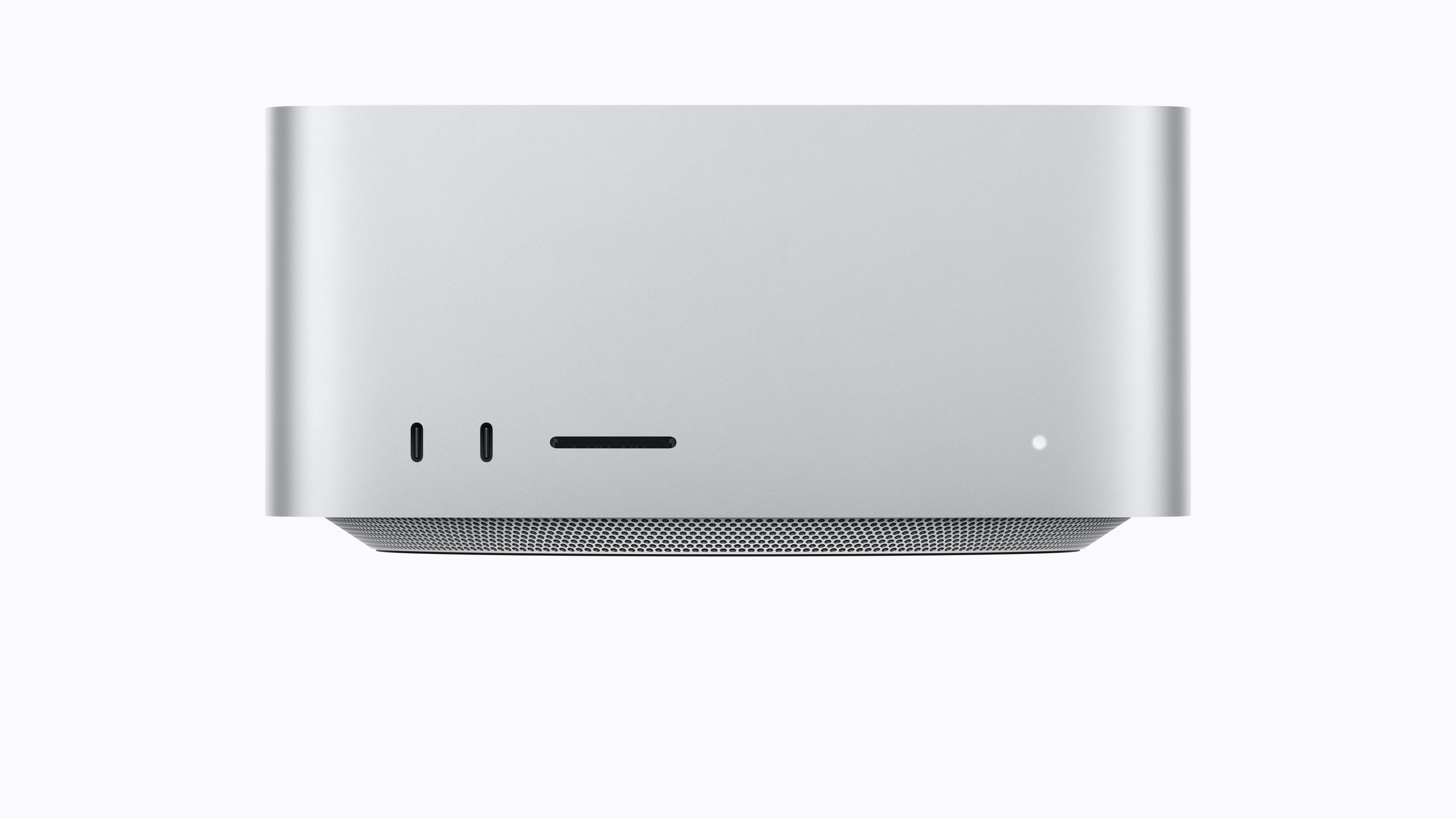
The squeeze reaches well beyond loose RAM kits and bare SSDs. Console makers have blamed memory costs when nudging up prices on current hardware, and Apple's broad mid-cycle hikes across Macs, iPads, and more were driven by the same DRAM and NAND surge. Graphics cards are quietly exposed too, since the VRAM buffer on a GPU is memory drawn from the same strained pool — one reason large-VRAM cards keep creeping upward. Prebuilt PCs, mini-PCs, and even some smart-home and networking gear that ships with onboard storage are all absorbing or passing on the cost. And the pain is not uniform worldwide: buyers in weaker-currency and import-heavy markets tend to feel it worst, as exchange rates and duties compound the underlying component increase.
Buy now or wait? The verdict
For memory and storage specifically — RAM kits and SSDs — the honest advice is buy now if you genuinely need them. Every credible forecast points the same direction: prices are still climbing through 2026, 2026 NAND is sold out, and analysts expect further increases rather than relief in the near term. Waiting a quarter is far more likely to cost you than save you. The only caveat is the obvious one: buy what you need, not a panic-hoard of parts you will never use.
For a laptop or pre-built PC, if you were already planning to buy in the next few months, pull it forward. Crucially, max out the memory and storage at purchase, because upgrading later means paying tomorrow's even-higher aftermarket prices — and many thin laptops solder the RAM anyway. If you can find pre-hike inventory at a third-party retailer, that older sticker is a genuine bargain now. Refurbished and last-generation units also look far more attractive when new configs jump in price with no new features attached.
For phones, the pressure is milder and more gradual, so there is less urgency — but the same logic applies to storage tiers. If you keep phones for years, pay once for the higher-storage model now rather than regret the 128GB base later, because that upgrade gap will only widen. And if you have your eye on a current model, existing stock at today's price is safer than betting a later launch will be cheaper; it almost certainly will not be.
Who should wait? Only people with no real need. If your current phone, laptop, or PC is fine, there is no reward for buying into a peak — just do not expect the peak to break soon, and do not delay a purchase you actually need in the hope of a price that is not coming.
When do prices come back down?
Not this year, and probably not next. Most forecasts place the earliest meaningful relief in late 2027 or 2028, when new fabrication capacity finally ramps. AMD has told partners to expect elevated DDR5 pricing into roughly 2028, and SK Group's chairman has suggested memory supply constraints could persist until around 2030. Even when relief arrives, the likely outcome is a higher new normal rather than a return to 2024 prices — the AI demand underneath all of this is not a spike that fades but a floor that stays.
The uncomfortable takeaway for anyone budgeting for tech in 2026 is that memory has become like energy in the 1970s: a hidden tax on every device with silicon inside. Plan for it, buy the config you need up front, and stop waiting for a discount that the supply chain has quietly stopped offering.
Frequently asked questions
Why are RAM and SSD prices so high in 2026?
AI demand. Memory makers Samsung, SK Hynix, and Micron have shifted manufacturing capacity toward high-bandwidth memory (HBM) and server DRAM for AI data centers, which is far more profitable per wafer. That leaves less capacity for the DDR5 and NAND used in consumer PCs, laptops, and phones, pushing prices up sharply.
How much have DDR5 and SSD prices actually risen?
A 32GB DDR5 kit that cost around $80 in mid-2025 now starts near $375 and runs $400–450 for good kits — roughly 4–5x. NAND flash has more than doubled in six months, so a 1TB Gen5 SSD that was $100–130 a year ago now sells for around $200–270.
Should I buy RAM, an SSD, a laptop, or a phone now or wait?
If you genuinely need it, buy now. Prices are still rising through 2026, NAND production for the year is already sold out, and no near-term relief is expected. For laptops and PCs, max out memory and storage at purchase since upgrading later will be even costlier. Only wait if your current device is fine and you have no real need.
When will memory prices come back down?
Most forecasts point to late 2027 or 2028 at the earliest, when new fab capacity ramps. AMD expects elevated DDR5 pricing into around 2028, and some industry figures suggest constraints could last until roughly 2030. Even then, expect a higher new normal rather than a return to 2024 prices.
Is it only RAM and SSDs, or are other products affected?
It is much broader. Because the shortage is about memory chips themselves, anything that uses them is exposed: laptops and prebuilt PCs, game consoles, graphics cards (their VRAM is memory too), phones, and even some smart-home and networking gear. Apple's mid-cycle price hikes across Macs and iPads were driven by the same DRAM and NAND surge.