Project Suncatcher: Google's TPU satellite runs AI
/ Google's Project Suncatcher satellite ran Gemma 4 on a TPU in orbit and sent back a haiku. What it carries, how it works and what comes next in 2027.
by Hozefa Khety
· 5 min read
Google says its Project Suncatcher prototype satellite has sent back its first AI-generated answer from orbit. In a blog post on October 30, 2026, the company said the satellite booted up its Tensor Processing Units (TPUs), Google's own AI chips, and ran Google DeepMind's open Gemma 4 model in space. Google calls it the first-ever AI response from a data center class TPU in orbit.
The first prompt was a simple one: write a haiku about being in space. Here is what happened, what the satellite carries, and why Google wants to put AI data centers in orbit at all.
What Google's satellite said
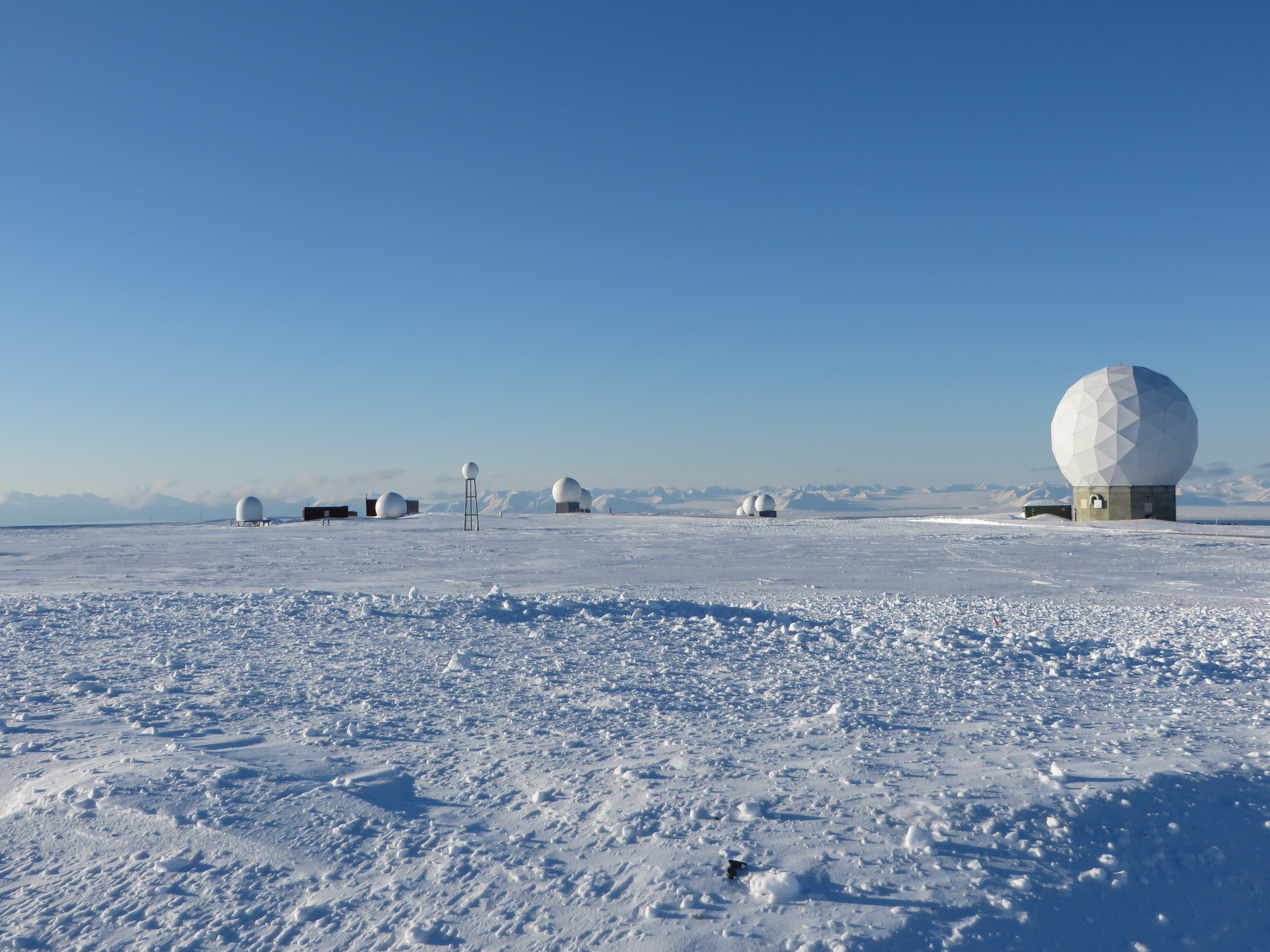
Engineers uplinked the prompt to the satellite while it passed over a ground station, and the onboard Gemma 4 model wrote its reply in orbit. The answer came back down as the satellite passed Svalbard, Norway:
"Blue marble below / Data streams in silent grace / Starlight feeds my core."
Google says it followed up with space-themed limericks and with telemetry prompts, asking the spacecraft to report on its own orbital conditions. A Google spokesperson told TechCrunch the satellite is operating nominally. Google's Travis Beals, who leads the project, wrote that the team had spent the previous weeks working through a commissioning checklist, including powering on the host computer and TPU trays and running early machine learning tests, before this "Hello World" moment.
What is Project Suncatcher?
Project Suncatcher is a long-term Google research effort to build AI computing infrastructure in space. The idea is to fly large groups of solar-powered satellites, each packed with TPUs, in close formation and link them with free-space optical (laser) connections so they can work together like one data center.
Google's argument is about energy. The Sun puts out more than 100 trillion times humanity's total electricity production, and Google says a solar panel in the right low Earth orbit can be up to 8 times more productive than one on the ground, with near-constant sunlight. Its design uses a dawn-dusk sun-synchronous orbit, which keeps the satellites in almost continuous sunshine and cuts the need for heavy batteries.
Google calls Suncatcher a moonshot. Beals told TechCrunch that the long-term vision is an orbital data center made of a network of 81 satellites flying in close formation and processing in parallel, and the company is designing for economics it expects in the 2030s, not today.
What's on board the prototype
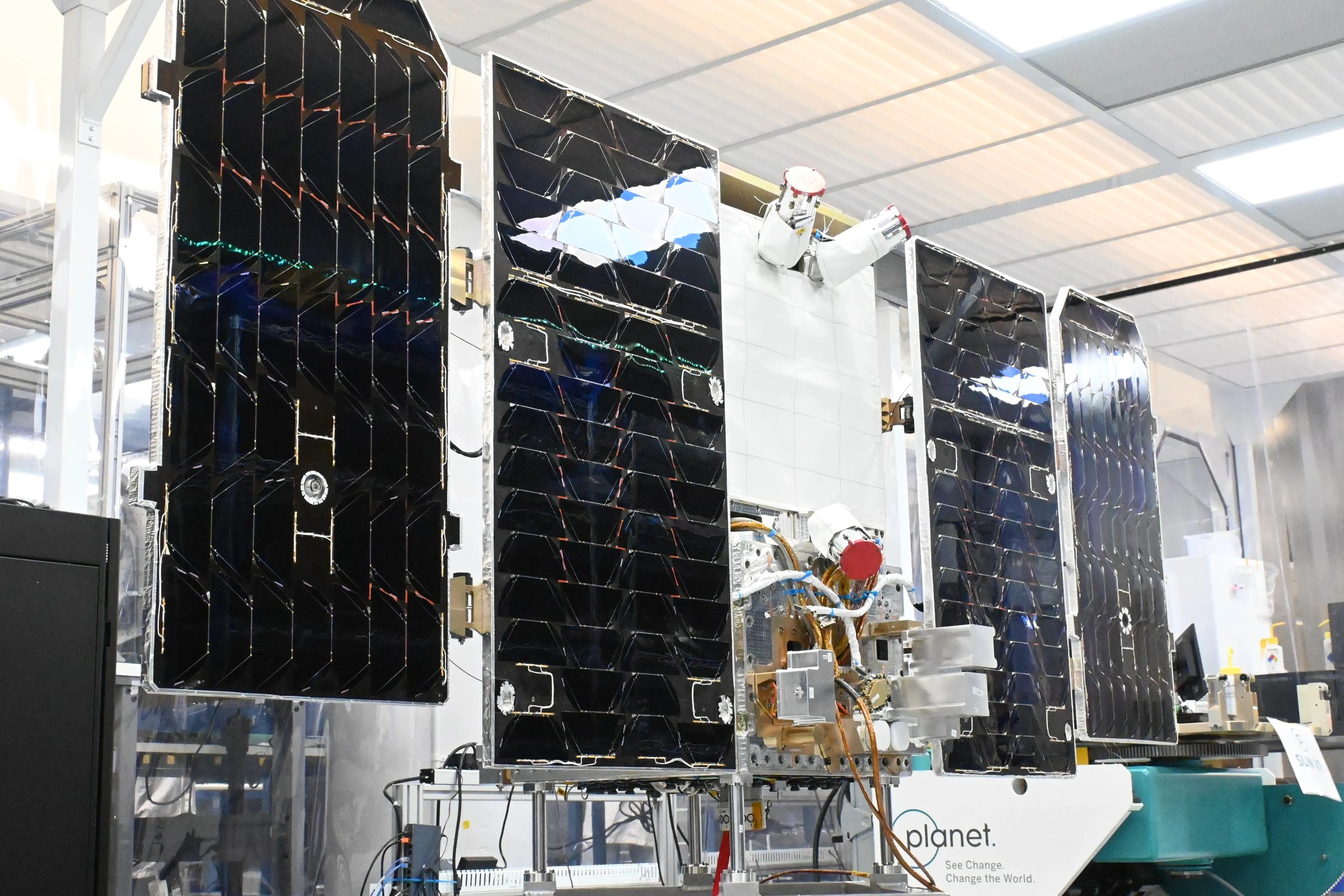
The prototype was built with satellite maker Planet on one of Planet's standard platforms. It launched on October 1, 2026 on SpaceX's Transporter-18 rideshare mission from Vandenberg in California, on a Falcon 9 carrying more than 100 spacecraft. Planet says it was the first-ever test of Google TPUs in space.
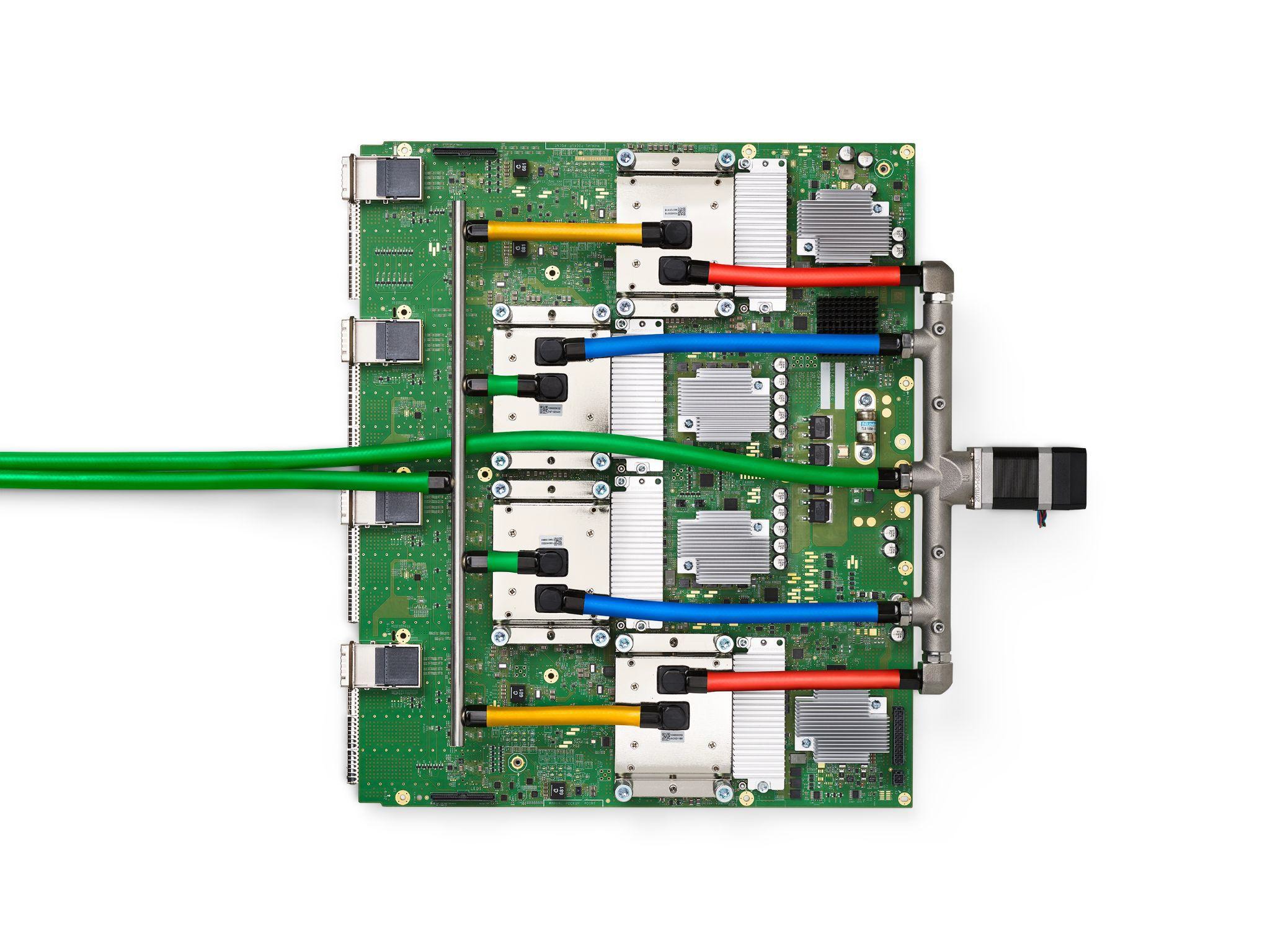
According to TechCrunch, the satellite carries four TPUs and generates up to 1 kW of electricity. That is not enough to run them all at once: it can power only one TPU at a time, in bursts of roughly 15 to 20 minutes, to stay within its power and thermal limits. Commissioning the spacecraft's systems took about three weeks before the first prompt was sent this week.
Can AI chips survive space?
That is what the next phase is meant to find out. Google says it will now test how its TPUs perform under thermal stress and radiation exposure in orbit.
Space radiation can cause bit flips, where a stored value in memory changes on its own and can corrupt data without obvious errors. Before launch, Google blasted its Trillium TPUs with a proton beam at the UC Davis Crocker Nuclear Laboratory, and says they survived a total radiation dose greater than a five-year mission would deliver. It also shook its hardware on three axes to simulate launch, where loads can reach about 10 g, and tested cooling with heat pipes and radiators in a thermal vacuum chamber.
Beals told TechCrunch the error rate looks very low for typical inference, "like one in a million", but would be more of a problem for a huge training run across thousands of chips for months. In other words, answering prompts in orbit looks far more realistic than training big models there.
What comes next for Suncatcher
If this prototype holds up, Google's next milestone is a pair of interconnected satellites in 2027. Those will be more purpose-built for computing, generate more power and test laser links between satellites, a key step toward clusters that share work.
The bigger obstacle is launch cost. In a peer-reviewed paper in the journal Joule, Google's researchers estimate launch prices to low Earth orbit could fall to about $200 per kilogram by around 2035 if SpaceX keeps cutting costs at its historical pace. TechCrunch calculated that this would take roughly 1,800 Starship launches over ten years, about 180 a year. The researchers stress that the paper is not a full economic feasibility study.
Google isn't alone in orbit
Other companies are chasing AI in space too. Startups including Starcloud and Cowboy Space want to run inference on individual satellites, and SpaceX is also planning orbital data centers. TechCrunch notes that Suncatcher stands out for its plan to fly satellites close enough together, joined by high-speed laser links, to split large workloads between them. Alphabet, Google's parent company, is also a major investor in SpaceX.
For now the result is a modest one: a single chip, running for minutes at a time, writing poetry. But it is the first public proof that Google's data center AI hardware works in orbit, and the radiation and heat results from the coming months will decide how fast the 2027 follow-up can move.
See more of The Threshold on Google
Add us as a preferred source to see more of our stories in your Top Stories.
Frequently asked questions
What is Google's Project Suncatcher?
Project Suncatcher is a Google research project exploring solar-powered satellites packed with TPU AI chips, flying in close formation and linked by lasers, to run AI computing in space.
What did the Suncatcher satellite say?
Asked for a haiku about being in space, the onboard Gemma 4 model replied: "Blue marble below / Data streams in silent grace / Starlight feeds my core."
When did the Suncatcher satellite launch?
It launched on October 1, 2026 on SpaceX's Transporter-18 rideshare mission from Vandenberg, California. Google announced its first AI response on October 30, 2026.
Who built the Suncatcher satellite?
Google built the prototype with satellite operator Planet, using one of Planet's standard satellite platforms.
How many TPUs are on the satellite?
Four, according to TechCrunch. The satellite generates up to 1 kW, so it can run only one TPU at a time for roughly 15 to 20 minutes.
What AI model runs on the Suncatcher satellite?
Google DeepMind's Gemma 4, an open model, was preloaded on the satellite and generated the first responses in orbit.
What comes after the Suncatcher prototype?
Google plans to launch two interconnected satellites in 2027 to test higher power and laser links between satellites, after radiation and thermal tests on the current prototype.
Why put AI data centers in space?
Google says solar panels in the right orbit can be up to 8 times more productive than on Earth with near-constant sunlight, offering a huge energy supply for AI. Launch costs remain the main hurdle.