Brave lawsuit: NYT sues over AI scraping and paywalls

/ The New York Times and three other papers are suing Brave, saying it sold scraped news to AI firms and lets users skip paywalls. Here's what the suits claim.
by Hozefa Khety
· 6 min read
The New York Times has sued Brave Software, the company behind the privacy-focused Brave browser and Brave Search. The lawsuit, filed on Monday, November 2, in federal court in Manhattan, accuses Brave of scraping Times journalism without permission, selling access to it to AI companies, and helping its users get around the Times paywall.
Hours later, the New York Daily News, the Chicago Tribune and the Orlando Sentinel filed a separate lawsuit against Brave making similar claims. Here is what the publishers allege, which AI companies are named, what they want from the court, and what it means if you use Brave.
What the New York Times is accusing Brave of
The Times complaint (case 1:26-cv-09549 in the Southern District of New York) runs to 72 pages. Its central claim is that Brave built its search index by copying billions of web pages, including Times articles, and then turned that index into an AI business. The Times calls Brave "the supplier, dealer, and distributor of stolen copyrighted content" and says it "acts both like a burglar that misappropriates the content of publishers, and an AI 'fence' that sells stolen content to third parties."
According to the complaint, the Brave Index now holds "over 30 billion webpages," a figure it quotes from Brave's own website. The Times says Brave has never publicly named the crawler (the automated bot) it uses to collect those pages, so website owners can't block it by name the way they block other crawlers.
The lawsuit targets three Brave products. The first is Ask Brave, the AI answer feature in Brave Search, which the Times says often returns verbatim text and detailed summaries of its articles. The second is the Brave Search API, which other companies pay to access. The third is the Brave browser itself.
Which AI companies are named
The Times says Brave sells access to its index, through the Search API, to AI companies that use it to train models or to answer user questions in real time. The complaint names five of them: Anthropic, Perplexity, Mistral, xAI and Cohere. None of them is a defendant in either case.
The complaint leans on Brave's own marketing. It quotes a November 2023 Brave blog post saying "Anthropic used Brave's Search API to train their latest model, Claude 2," and Brave's API pages describing the service as "trusted by the world's top AI labs." It also points to a Brave API product called LLM Context, which Brave says returns extracted page chunks "in a shape and length that satisfies the needs of an LLM without need for further scraping."
The Paywall blocker and Brave's ads
The browser part of the case is the one most Brave users will notice. The Times says the Brave browser includes a setting called "Paywall blocker" that Brave promotes as a way to "Bypass Paywalls," and that it lets users read paywalled Times articles without a subscription. The complaint quotes a Reddit user who switched it on and said they could read the Times "without interruption and without needing to set up an account."
The Times also objects to Brave's ad model. Brave blocks ads on websites by default and shows its own Brave Ads instead, sharing some of that revenue with users. The Times argues this takes advertising money away from the publishers whose pages people are reading. It also says Brave News, the news feed built into the browser, promotes the Times by name as one of the "hundreds of top publishers" available.
The Times says Brave ignored two warnings
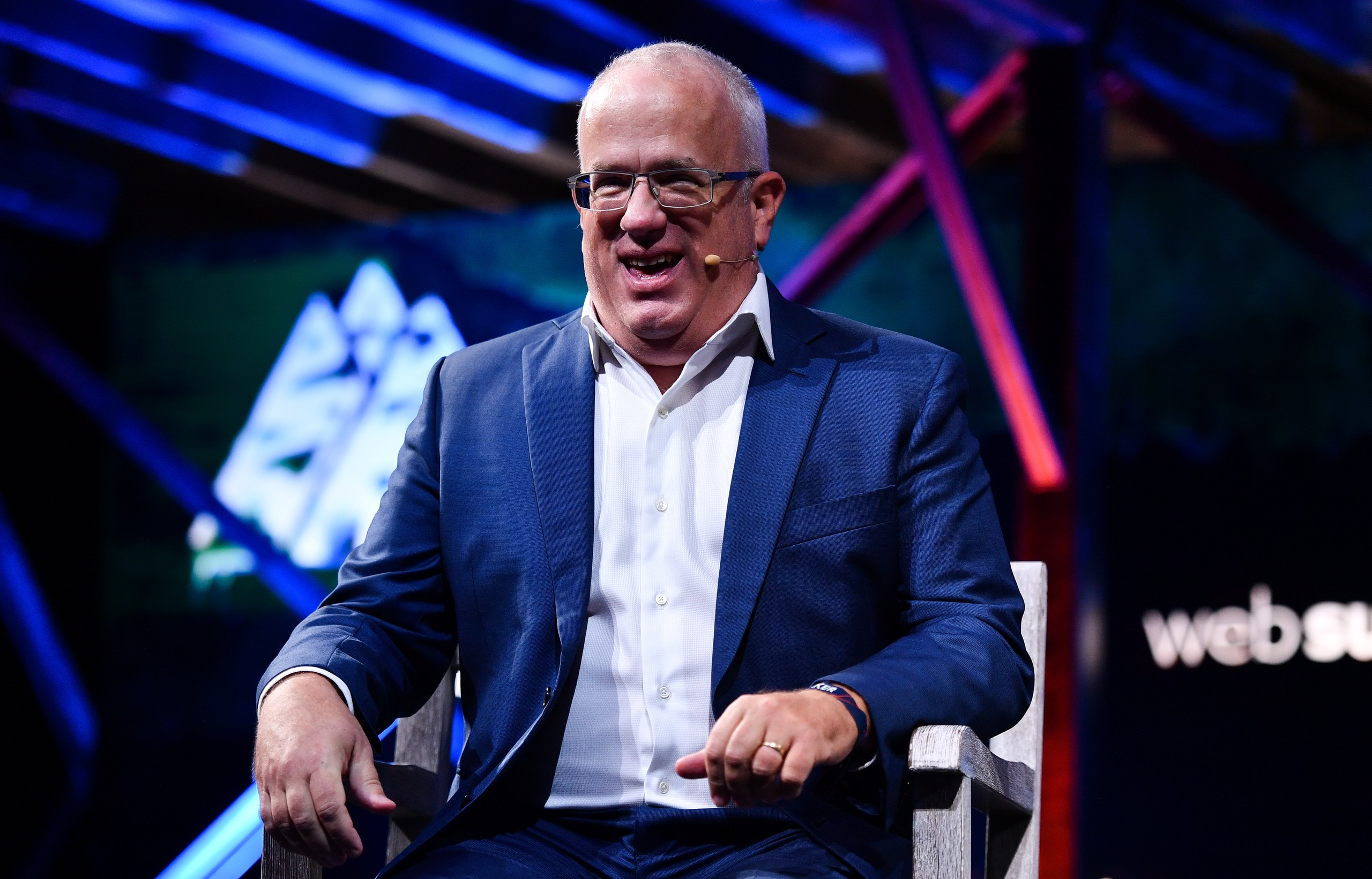
According to the complaint, the Times' intellectual property counsel wrote to Brave co-founder and CEO Brendan Eich on August 11, 2025, asking Brave to stop accessing Times websites and apps without permission, stop using its content and trademarks, and remove Times material from its products. The Times says Brave never replied.
Outside counsel sent a second letter on April 13, 2026, warning that the Times considered the conduct willful infringement, which it said warranted enhanced statutory damages of up to $150,000 per infringement. The complaint says Brave ignored that letter too.
"Brave has flouted established copyright law and ignored repeated requests by The Times to stop its infringing conduct," Times spokesperson Graham James said in a statement to The Verge.
The second lawsuit from the Daily News, Tribune and Sentinel
The New York Daily News, the Chicago Tribune and the Orlando Sentinel, newspapers owned by Alden Global Capital's MediaNews Group and Tribune Publishing, filed their own complaint in the same court (case 1:26-cv-09554, according to Reuters). It names the same five AI companies and makes five claims: direct, contributory and vicarious copyright infringement, breaking the anti-circumvention rules of the Digital Millennium Copyright Act (DMCA), and unjust enrichment under New York law. The Next Web reports the papers say more than two million registered articles are affected.
"AI giants are now desperate to avoid getting caught red-handed stealing news from publishers, so Brave Software is selling them a back door to the journalism they know they have no right to," said Steven Lieberman, the lawyer for the three papers. "Buying stolen goods secondhand doesn't make them legitimate."
What the publishers want
The Times brings the same five types of claim. It asks the court for statutory and actual damages, repayment of Brave's profits, a permanent injunction stopping the conduct it describes, and its legal costs. It has asked for a jury trial. The three other papers are seeking similar relief.
The Times complaint also puts numbers on Brave's business, citing third-party reports and Brave's own statements: revenue above $100 million in 2025, up from about $52 million in 2024; close to 130 million monthly users and over 50 million daily users as of September 30, 2026; and more than 50 million Brave Search queries a day, a third of which lead to an AI-generated answer. It says Brave has made "more than $100 million by copying and reselling publishers' work" while "publishers have received nothing." These are the publishers' allegations, and Brave has not responded to them in court yet.
How Brave and the AI companies responded
Brave did not immediately respond to requests for comment from TechCrunch or The Verge on Monday. Anthropic, Mistral and Cohere also didn't immediately reply to The Verge, and neither did the owner of xAI.
Perplexity did respond. "The New York Times is overpaying its attorneys and underpaying its journalists," Perplexity's chief communications officer Jesse Dwyer told The Verge.
This isn't Brave's first fight over its index. In March 2025, Brave sued News Corp asking a court to declare that its web indexing is fair use, and News Corp countersued that July, The Next Web reports. The Times has also sued OpenAI, Microsoft and Perplexity over similar AI copyright claims.
What it means if you use Brave
Nothing changes for Brave users today. Filing a lawsuit doesn't switch anything off, and cases like this usually take months or years. Brave will first get a chance to respond, and it may argue, as it did against News Corp, that indexing the web is fair use.
The features most at risk, if the publishers win an injunction, are the ones the complaints focus on: the Paywall blocker setting, how Ask Brave quotes and summarises news articles, and what news content Brave can sell through its Search API. For AI companies that rely on Brave's index for web search, the case is another sign that where AI training and search data comes from is under growing legal pressure.
Top image: the Brave browser's welcome screen on macOS (version 1.18). (Screenshot: Hidden Lemon / CC0 via Wikimedia Commons)
See more of The Threshold on Google
Add us as a preferred source to see more of our stories in your Top Stories.
Frequently asked questions
Why is the New York Times suing Brave?
The Times says Brave copied its articles into the Brave Search index without permission, sold access to that content to AI companies through its Search API, reproduced it in Ask Brave AI answers, and lets browser users bypass the Times paywall with a Paywall blocker setting.
When was the Brave lawsuit filed?
The New York Times filed its complaint on November 2, 2026, in the US District Court for the Southern District of New York. The Daily News, Chicago Tribune and Orlando Sentinel filed a separate suit the same day.
Which AI companies does the lawsuit name?
Both complaints say Brave supplied content to Anthropic, Perplexity, Mistral, xAI and Cohere. Those companies are named in the complaints but are not defendants.
What is Brave's Paywall blocker?
According to the Times complaint, it is a setting in the Brave browser that Brave promotes as a way to "Bypass Paywalls." The Times says it lets users read paywalled Times articles without subscribing.
What is the New York Times asking for?
Statutory and actual damages, repayment of Brave's profits, a permanent injunction against the conduct it describes, legal costs, and a jury trial.
Has Brave responded to the lawsuit?
Not yet. Brave did not immediately respond to requests for comment from TechCrunch or The Verge on November 2, 2026.
Will the Brave browser stop working?
No. A lawsuit doesn't change anything on its own. If the publishers eventually win an injunction, specific features such as the Paywall blocker or how Brave uses news content could be forced to change.
Has the New York Times sued other AI companies?
Yes. The Times has also sued OpenAI, Microsoft and Perplexity over similar copyright claims involving AI.