Microsoft outage: what happened to Outlook and Teams
/ Microsoft's day-long outage knocked out Outlook, Teams and Copilot in 70+ countries. Here's what broke, what caused it, whether it's fixed and what to do now.
by Hozefa Khety
· 7 min read
Microsoft says Outlook, Teams and the rest of Microsoft 365 are back to normal after one of the longest outages in its history. The problems started on Thursday, November 12, 2026, and Microsoft posted its final "service restored" updates at about 04:15 UTC on Saturday, November 14 (11:15 p.m. ET Friday), roughly a day and a half later.
For much of that time people around the world could not open their work email, calendar invites failed and Copilot stopped answering. Microsoft has now apologised and given a first explanation: a faulty network upgrade, not a hack and not an AI agent. Here is what happened, what was affected, what Microsoft says caused it and what to check now that it is over.
What happened in the Microsoft outage?
Microsoft's incident record for Exchange Online, the service that runs Outlook email for businesses, schools and governments, gives the start as 16:17 UTC (11:17 a.m. ET) on Thursday, November 12. Reports on the outage tracker Downdetector spiked shortly after, and at about 17:54 UTC (12:54 p.m. ET) Microsoft publicly confirmed that users in the Americas could not reach their mailboxes. Within minutes it said users in any region could be affected.
Microsoft tracked the problem under two incident IDs that IT admins will recognise from the Microsoft 365 admin center: EX1550543 for Exchange Online and MO1550821 for the wider Microsoft 365 suite.
Early on, Microsoft said part of its infrastructure was under heavy load across several regions. It then clarified that this was not extra traffic. A large number of servers had failed automated health checks and dropped out of service, which pushed their work onto the remaining servers and overloaded them. Engineers paused deployments, restarted servers, tried a different health-check method and rolled back recent configuration changes, but servers that came back kept failing again. Around 10 p.m. ET on Thursday, Microsoft said some of its fixes had not worked as hoped.
Recovery finally took hold on Friday. By 13:32 UTC Microsoft reported broader improvements in North America, sustained improvements across much of Europe and "encouraging recovery signals" in Asia Pacific. It kept monitoring into Friday night, including a backlog of email that had piled up, before marking both incidents resolved.
Which Microsoft services went down?
Outlook email was hit hardest. According to Microsoft's status updates, people could not reach Exchange Online mailboxes through Outlook on the web, the Outlook desktop app, phone mail apps or other connected apps, and emails that did get through were often delayed.
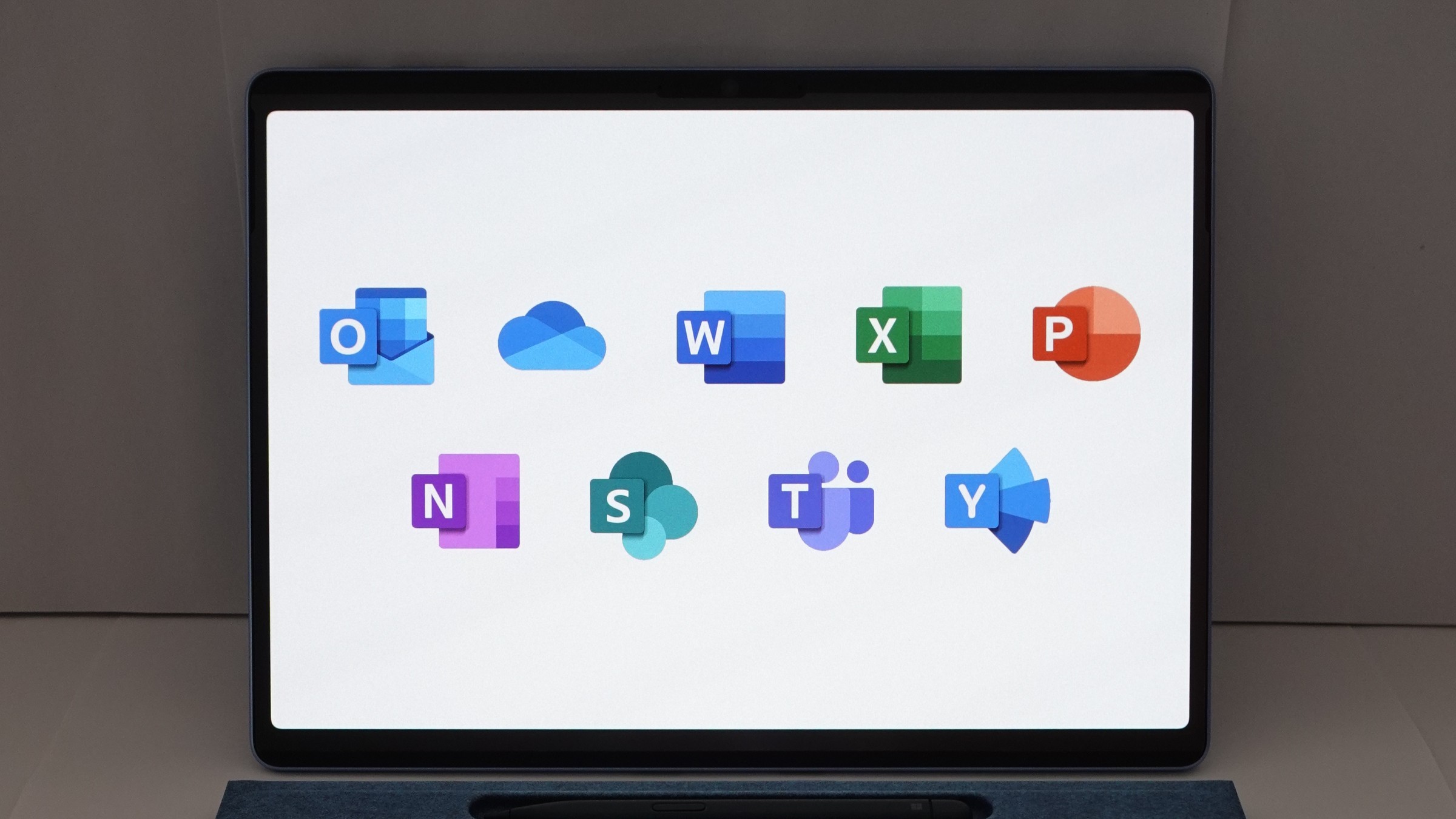
Because many other Microsoft 365 features rely on the same email and calendar system, the trouble spread. In Teams, calls, meetings and chats mostly kept working, but scheduling, viewing and editing meetings could fail. Copilot Chat might not load or answer, and Copilot could not reach work email, calendars or files. SharePoint files stayed accessible, though sharing with people outside an organisation could fail. Microsoft also added Planner, To Do, Intune, Purview, Defender for Office 365 and Power BI to its list of affected services as the day went on.
Some companies that build on Microsoft's services were affected too. Al Jazeera reported that the disruption hit integrations relied on by AI companies including OpenAI and Anthropic.
How big was the outage?
Microsoft has not said how many people were affected. Downdetector logged more than 129,000 Outlook reports at the first peak on Thursday, and reports came from more than 70 countries. ABC News, citing AFP and Reuters, said more than 7.4 million reports were logged worldwide over the whole incident. The BBC noted that more than 430 million people use the affected products.
The knock-on effects reached far beyond office email. The BBC reported problems for parts of the UK's NHS, schools and police forces, hospitals in Canada, Japan's government, the Philippines' Supreme Court and the US House of Representatives, where staff said a full day of legislative work was set back. Immigration New Zealand paused visa processing, Indian airlines IndiGo and Akasa Air warned that customer emails might not get through, and Engadget reported that some Japanese companies temporarily went back to fax machines.
What caused the Microsoft outage?
In an update on Friday, Microsoft said: "This was a technical issue not related to cyber or AI / agents. The incident was introduced by an issue during an earlier network capacity upgrade that surfaced following a recent network change." In plain terms, a problem crept in when Microsoft added network capacity earlier, and it only showed itself after a later change to the network.
Microsoft also explained why recovery was slow. Given the scale of demand, it brought services back gradually and checked they were stable at each step before switching more servers on. "While this took longer, it helped ensure a stable restoration," the company said.
Microsoft has not yet said exactly what the faulty change was. Its final status entries promise a preliminary post-incident report within two business days and a final report within five business days.
Was it a cyberattack?
No, according to Microsoft. Charles Lamanna, Microsoft's executive vice president of Copilot, Agents and Platform, said late on Thursday that there was "no indication this is the result of malicious or cyber activity", and the company's own explanation rules out both a cyberattack and AI agents. Australia's Home Affairs Minister, Tony Burke, said Microsoft had told him it believed the cause was similar to the 2024 CrowdStrike incident, where an update went wrong.
Is Microsoft 365 fully working again?
Yes. Microsoft said it had "completed our efforts to address the underlying issue of the incident and restored service to the remaining impacted customers and regions." Both incidents were marked resolved in its final updates at 04:15 and 04:17 UTC on Saturday, November 14 (11:15 and 11:17 p.m. ET on Friday). Those final entries list the end of the impact as 16:10 UTC on Friday, November 13, with the hours after that spent watching for problems and clearing the email backlog. (Checked 13:30 UTC, November 14.)
Microsoft also apologised. "We are deeply sorry for the disruption this incident has caused our customers and partners. We know the trust they place in our services and take that responsibility extremely seriously," the company said.
What should you do now?
Check for emails that arrived late. Microsoft said it was working through a backlog of messages built up during the outage, so mail from Thursday and Friday may have landed out of order. If something important you sent during the outage never got a reply, it is worth confirming with the recipient.
Look over your calendar. Meeting invites, edits and new events created in Outlook or Teams during the outage could fail, so double-check anything you scheduled on November 12 or 13.
Be wary of scam emails. Security firm McAfee warned that scammers use big outages to send fake "restore your account" emails and texts that lead to look-alike sign-in pages. Treat any message asking you to sign in again through a link with suspicion. For status updates, use the official Microsoft 365 Status page or the verified @MSFT365Status account on X. If you did type your password into a link you were sent, change it and turn on two-factor sign-in.
Has Microsoft had outages like this before?
Yes, though rarely this long. Al Jazeera noted that Microsoft 365 went down across North America for almost 10 hours in January 2026, which Microsoft blamed on heavy load during maintenance, and that thousands of Outlook users were locked out of their mailboxes in late August. Other big cloud failures include the Amazon Web Services outage in October 2025 and the faulty CrowdStrike update in July 2024 that crashed computers worldwide.
Experts quoted by the BBC said the incident is a reminder of how much organisations depend on a few big tech providers. In Australia, the Australian Computer Society called for a national review of sovereign IT risk. Microsoft's post-incident reports should give a clearer picture of what went wrong and what it is changing so it does not happen again.
See more of The Threshold on Google
Add us as a preferred source to see more of our stories in your Top Stories.
Frequently asked questions
What caused the Microsoft outage in November 2026?
Microsoft says it was a technical issue introduced during an earlier network capacity upgrade that surfaced after a later network change. Servers failed automated health checks and dropped out, overloading the rest. A full post-incident report is still to come.
Was the Microsoft outage a cyberattack?
No. Microsoft says the incident was not related to cyber activity or to AI agents, and Microsoft executive Charles Lamanna said there was no indication of malicious activity.
When did the Microsoft 365 outage start and end?
Microsoft's incident record puts the start at 16:17 UTC (11:17 a.m. ET) on Thursday, November 12, 2026. Microsoft marked the incidents resolved at about 04:15 UTC on Saturday, November 14, after monitoring and clearing an email backlog.
Is Outlook working again?
Yes. Microsoft says it has addressed the underlying issue and restored service to all remaining affected customers and regions. Some delayed emails from the outage may still show up out of order.
Which services were affected by the Microsoft outage?
Mainly Outlook email through Exchange Online, plus features that depend on it: Teams calendar and meeting scheduling, Copilot, SharePoint sharing, Planner, To Do and several admin and security tools. Teams calls and chats mostly kept working.
How many people were affected by the Microsoft outage?
Microsoft has not given a number. Reports came from more than 70 countries, and ABC News, citing AFP and Reuters, said more than 7.4 million reports were logged worldwide. Over 430 million people use the affected products.
Do I need to change my Microsoft password after the outage?
Not because of the outage itself. Only change it if you typed your password into a link from an unexpected email or text during the outage, then turn on two-factor sign-in. Scammers often send fake account recovery messages during big outages.
Will Microsoft explain the outage in more detail?
Yes. Microsoft says it will publish a preliminary post-incident report within two business days and a final report within five business days.