Honor's Robot Phone is real — a titanium gimbal flagship that only China can buy
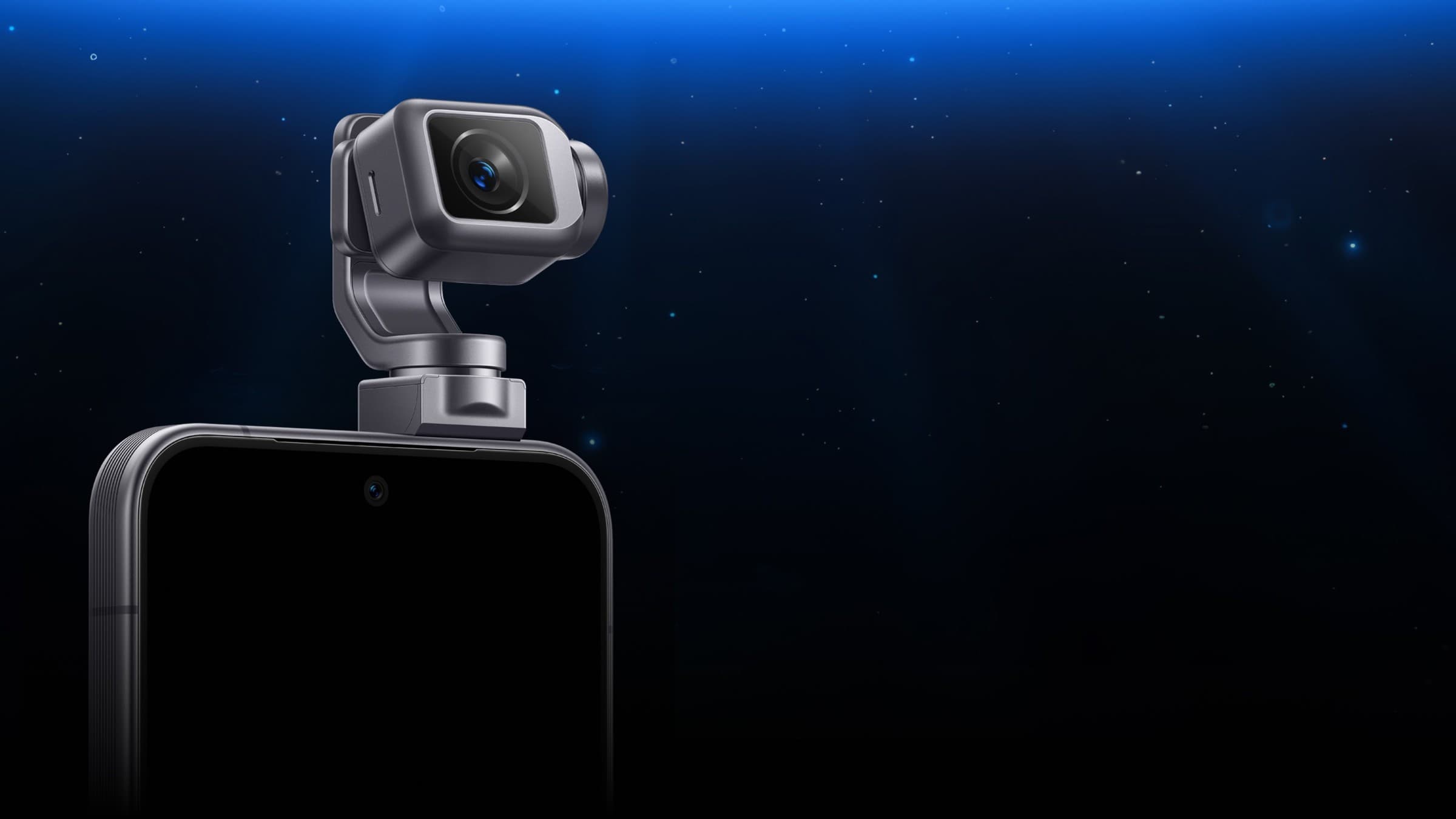
/ Honor is mass-producing a Snapdragon flagship with a motorized 200MP gimbal, ARRI LogC3, and a nodding AI assistant. It goes on sale in China August 18. There is no India date.
by Hozefa Khety
· 10 min read
Honor spent the better part of a year insisting the Robot Phone was not a concept. On August 12 in Guangzhou it put a price on that claim. The device is a 6.31-inch Snapdragon flagship with a 200-megapixel main camera mounted on a motorized titanium gimbal that physically rises out of the back of the phone, tracks subjects, and — if you ask it to — nods, dances, and flips. Pre-orders opened the same evening. Open sales in China start August 18. There is no India date, no US date, and no European date.
That last part matters more than the keynote language. Honor is selling a phone that puts more than a hundred precision parts, a 2.6-gram motor, and a cinema-camera partnership into a 9.59mm body, then restricting it to the one market most willing to treat a moving camera as a personality. The rest of the industry spent the same Wednesday shipping incremental AI software. Honor shipped a motor.
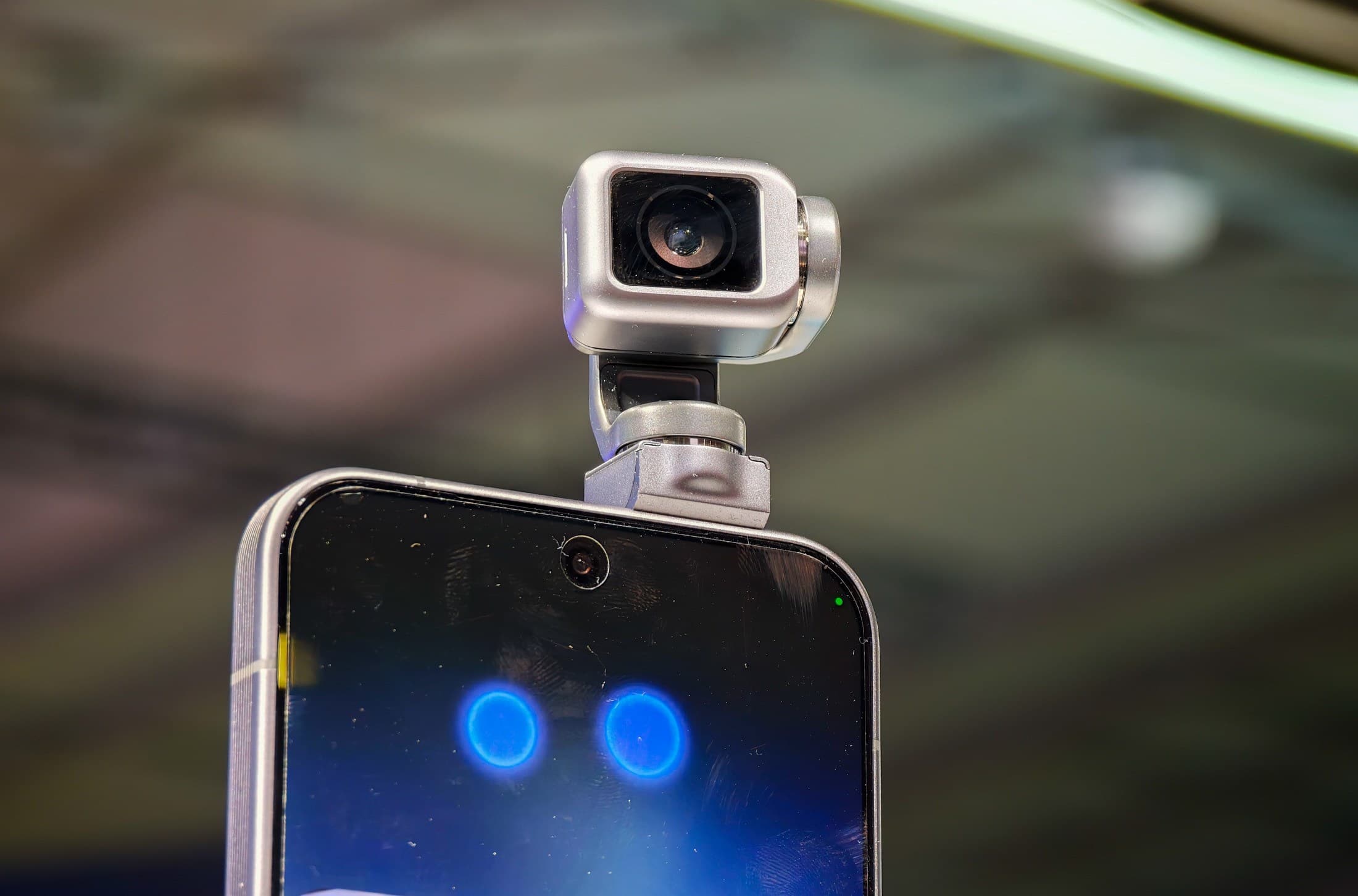
The gimbal is the product. Everything else is there so you can live with it
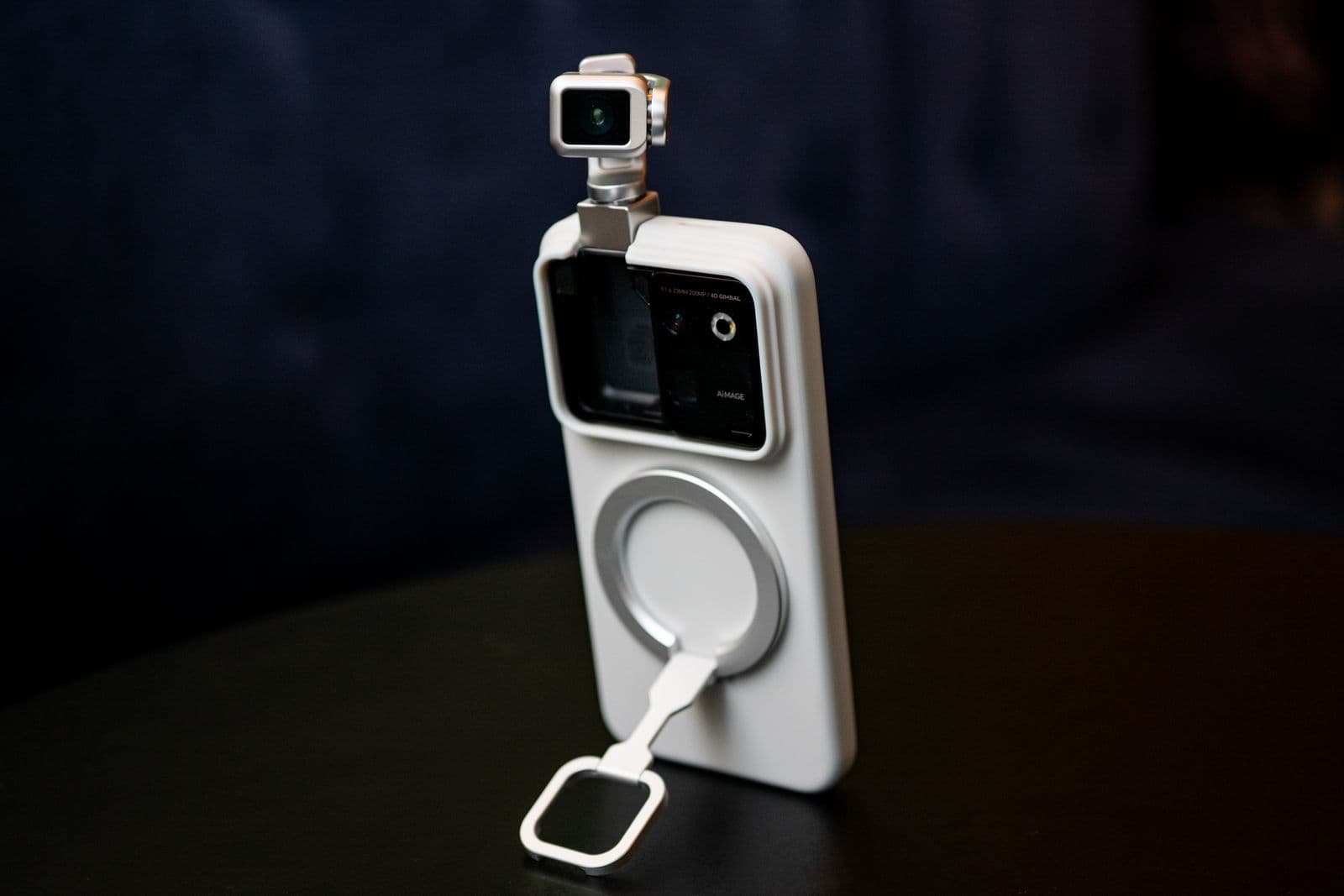
Honor's branded name is the Titanium Agile Gimbal: a four-degree-of-freedom mechanical system (the arm that deploys, plus pan, tilt, and roll) built from more than 100 parts, through more than 60 manufacturing steps, behind more than 100 patents. Honor says the assembly is 65% smaller and 200% stronger than a typical standalone gimbal, and that the titanium motor can slew at up to 360 degrees per second. WIRED's hands-on put the useful rotation at about 300 degrees — enough to swing from a rear-facing shot to something that behaves like a front camera without flipping the phone.
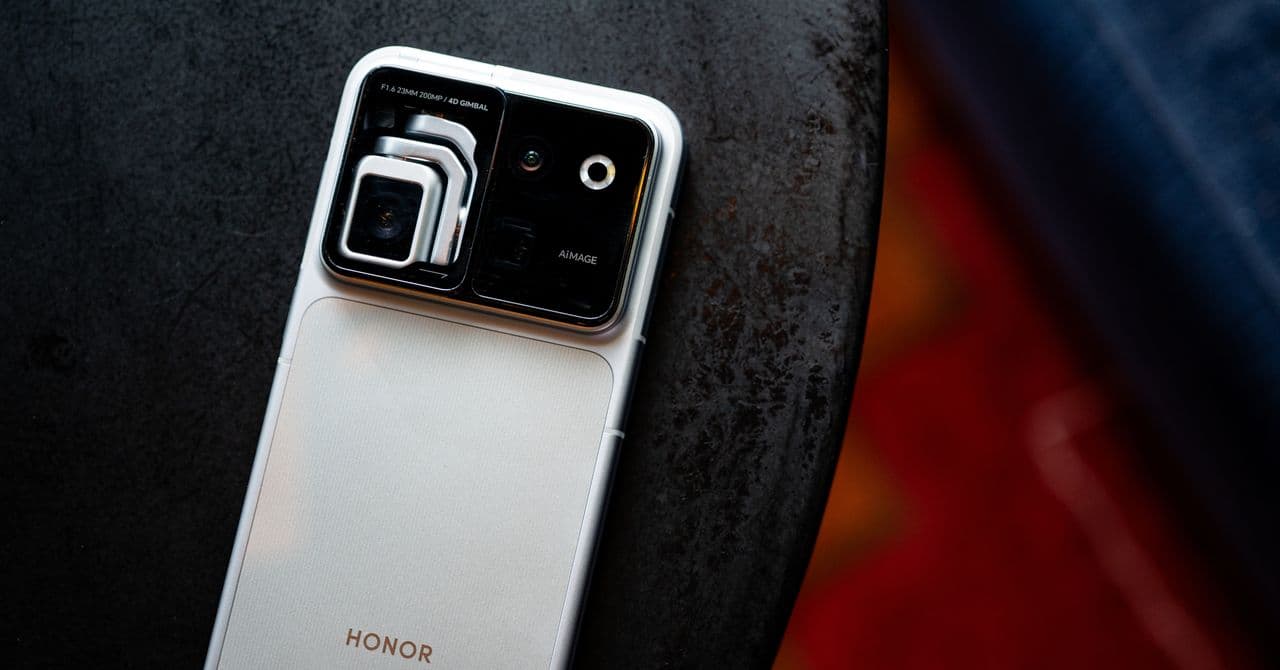
A sliding cover on the back has to move before the arm comes up. Once it is out, the camera is a 200MP f/1.6 sensor on a 1/1.28-inch chip — the kind of main camera a conventional flagship would be happy to print on a slide. Beside it, not on the arm, sit a 200MP 1/1.4-inch periscope with 2.7x optical zoom and a 50MP ultrawide with a 122-degree field of view that also does macro. The front of the phone has its own 50MP camera. Honor's H1 imaging chip (the company also calls it Yuguang / Driving Light H1) sits in the pipeline. Video tops out at 4K.
The shooting modes are the reason to care. Tilt Lock holds the horizon while you rotate the body. FPV and FPV Vertical lock the lens to a direction so the phone can move and the frame does not. AI SpinShot does programmed 90-degree and 180-degree rotations from a single tap. Super Steady is Honor's claim that a gimbal built into the phone can correct faster than a clip-on that has to talk over Bluetooth. Subject tracking is a double-tap: Honor says the system is trained to wait out a brief occlusion and pick the person back up on the other side of a doorframe or a passer-by. A four-microphone array is supposed to point with the lens, so the audio follows whatever the arm is looking at.
That is a serious camera rig squeezed into a phone, and early coverage has treated the stabilization as the one part that is not a stunt. RedShark, writing for working camera people rather than phone Twitter, said some of the footage is in the neighbourhood of a DJI Osmo Pocket 4 — with the expected caveat that a mechanism this small will not match a dedicated gimbal in every condition. The more useful comparison is the one Honor is actually making: you already have the phone. The gimbal does not need its own battery, its own bag, or a cable.
Under the arm, this is a real flagship
Honor did not hollow out the rest of the spec sheet to pay for the motor. The Robot Phone runs Qualcomm's Snapdragon 8 Elite Gen 5 with 12GB of RAM and 512GB of storage, or 16GB and 1TB. The display is a 6.31-inch flat LTPO OLED at 2,640 x 1,216, 1–120Hz, with a claimed 6,800-nit local peak, an anti-reflective coating, NanoCrystal Shield glass, and 4,320Hz PWM dimming. The battery is a 7,060mAh silicon-carbon cell with 120W wired SuperCharge and 50W wireless. Software is MagicOS 10 on Android 16. The body is an integrated metal unibody at 151.43 x 72.86 x 9.59mm and 248 grams. Colours are Star Trail Silver and Moon Shadow Gray.
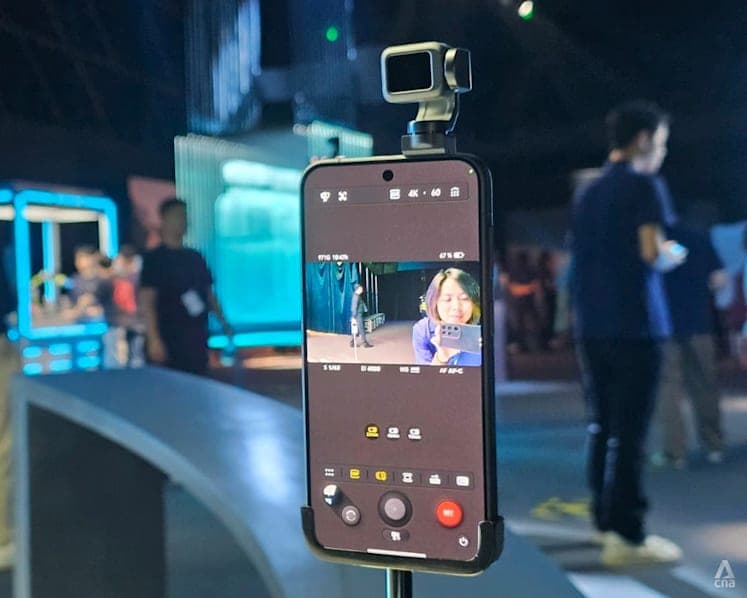
248 grams is heavy for a 6.3-inch phone. It is not heavy for a 6.3-inch phone that contains a robot arm. Thickness is the more impressive number: Honor kept the whole mechanism inside a profile that would have looked normal on a 2023 flagship. The in-box kit is doing some of the work the mechanism cannot do alone. Purchases include a magnetic stand, a lanyard, a 120W charger, and a case Honor designed so the stand can hold the phone still while the gimbal moves — otherwise the arm's torque would walk the device across a table.
In a year when Google cut RAM on the base Pixel 11 Pro because DRAM is expensive, Honor still put 16GB in the top Robot Phone SKU. That is not a moral victory. It is a reminder that this device is being sold into a different market, at a different margin, to a different buyer.
ARRI is the part that might outlive the robot
The Robot Phone is the first commercial product of Honor's imaging partnership with ARRI, the German cinema-camera company. In ARRI Cinema mode the gimbal main camera records 10-bit ARRI LogC3. Honor says the pipeline noise-reduces in the RAW domain, processes at 14-bit 4:4:4, and outputs 10-bit LogC3 at 4:2:2, with a claimed 14 stops of dynamic range and an 8dB SNR gain from AI noise reduction. ARRI Wide Gamut 3 is the colour space. ARRI Looks are one-tap grades you can preview on the phone. Footage is meant to drop into DaVinci Resolve with ARRI LUTs. Harald Brendel, ARRI's director of image science, has said the two companies calibrated the phone to use the same LUTs as an ALEXA and produce "very similar" images — which is a carefully chosen phrase, not a claim that this is an ALEXA.

Cinema mode also brings the monitoring tools people actually use on a set: false colour for exposure, focus peaking, and cinematic aspect ratios. That is a more honest use of the partnership than a filter pack with a famous logo on it. It is also the piece Honor has already said will travel. The Magic9 series, due September 28, is scheduled to inherit the ARRI imaging work without inheriting the arm. If you care about colour science on a phone you will actually put in a pocket in Mumbai or Berlin, Magic9 is the product to watch. The Robot Phone is the expensive proof of concept that got ARRI to sign the paper.
Embodied AI is the rebrand. It is also the gimmick
Honor has been calling this a new species of smartphone since MWC in March. The software name for that claim is YOYO Robot Mode: a mix of on-device perception, gesture control, voice-source localisation, and physical movement. Honor worked with Alibaba's Qwen model on the on-device stack. YOYO Auto Execution is supposed to run multi-step tasks across apps from a single instruction — Honor's own figure is more than 100 steps. A Skills Store and an Agent Skills interface are being opened so third-party apps can drive the gimbal instead of living inside Honor's camera app. Buyers get lifetime YOYO SVIP bundled in.
Then there are the hundred-plus "expressions." The arm nods when it agrees, shakes when it does not, peeks, and dances to music. Honor's own product page lists a backflip as a cheer. A palm gesture summons the assistant. None of that is what you buy a 7,060mAh battery and a titanium motor for, and Honor's China-only launch is an admission of that. Markets that already treat desktop robots and companion gadgets as normal will give a nodding camera more patience than markets that still remember pop-up selfie cameras as a reliability joke.

The useful version of "embodied AI" is narrower: a camera that can keep you in frame on a WeChat or Douyin call while you walk, or lock onto a subject while you hold the phone like a regular phone. That is a real job. Making the phone dance is a demo. Honor says this is the start of a series and that developers will invent the rest. Until they do, the moving camera's job is stabilization, tracking, and programmed moves. Everything else is burning motor cycles for a laugh.
IP54, pop-up ghosts, and the repair question
Honor rates the Robot Phone IP54 — splash and dust, not a swim — and only with the gimbal stowed. TechRepublic reported that Honor does not promise the same protection with the arm deployed. That is the correct engineering call and a practical limit. Dedicated gimbals get rained on. This one is also your phone, your wallet, and your authentication device, and it has a hole in the back when it is working.
The last time the industry put a motor in a camera, it was the pop-up selfie module. Those phones died of fashion as much as of sand in the mechanism, but the failure mode is the same: one bad drop, one knock out of calibration, and a mid-range repair shop is not going to have a jig for a four-axis titanium arm. Honor says the mechanism passed the reliability tests required to sell it as a mass-market device, and that foldable-era materials work went into the motors. That is what a manufacturer says. The independent record will be warranty returns in six months, not a keynote slide.
There is also a quieter limitation in the geometry. A built-in gimbal that lives in a 9.6mm slab cannot do every rotation a handheld gimbal can. Honor's own demos lean on the arm as both rear and front camera; that is a strength for calls and a constraint for how you hold the phone while recording. Treat this as a specialised tool that happens to make calls, not as a Pixel or a Galaxy that happens to stabilize well.
Price, China, and the India question
Two configs. 12GB / 512GB is RMB 9,999, about $1,480, or roughly ₹1.23 lakh at conversion. 16GB / 1TB is RMB 12,999, about $1,930, or roughly ₹1.60 lakh. Those rupee figures are not an India price. Honor has not announced one. Smartprix notes the company currently has no active retail or after-sales network in India, which makes an official launch here unlikely in this cycle even if the hardware wanted one. RedShark reports Honor is also staying out of the US while its status under possible Commerce Department export restrictions remains unresolved — Honor is not formally banned there; it is choosing not to test the question with this product.
At the converted flagship money you are not buying a cheaper Osmo Pocket. You are buying a Snapdragon 8 Elite Gen 5 phone that can replace a pocket gimbal for vlogs, livestreams, and one-handed tracking shots, if you live in China, if you can get it serviced, and if you accept IP54 and a 248-gram brick. For everyone else this is a signal, not a purchase. The signal is that at least one Android maker still thinks the next interesting phone is a mechanical problem, not another Gemini skin.
What it adds up to
Honor CEO James Li told the Guangzhou audience that in the age of AI, not every phone should be "another black slab." He is right about the boredom. He is only half right about the cure. The Robot Phone is the most interesting slab of 2026 because it refuses to be only a slab. The gimbal is a genuine, small, over-engineered answer to a real filming problem. The ARRI pipeline is the piece other Honor phones will quietly steal. The nodding, dancing companion is a China-market flourish that will be clipped into a thousand videos and will not be why anyone still owns the device in 2028.
If Honor ships a second Robot Phone that is lighter, better sealed, and sold where people can get it repaired, this launch will look like the awkward first foldable — the one that proved the hinge before the hinge was good. If this is a one-off, it will look like the pop-up camera with a better press tour. August 18 will tell us whether anyone in China actually wanted a robot in their pocket. The rest of us should watch Magic9 in September. That is where the colour science goes when the arm stays home.
Frequently asked questions
What is the Honor Robot Phone?
It is a China-only Android flagship announced on August 12, 2026, with a 200MP main camera mounted on a motorized four-degree-of-freedom titanium gimbal. It also includes a 200MP 2.7x periscope, a 50MP ultrawide, ARRI LogC3 video tools, Snapdragon 8 Elite Gen 5, and a 7,060mAh battery.
How much does the Honor Robot Phone cost?
In China, 12GB / 512GB is RMB 9,999 (about $1,480 / ₹1.23 lakh at conversion) and 16GB / 1TB is RMB 12,999 (about $1,930 / ₹1.60 lakh). There is no official India, US, or Europe price.
When does the Honor Robot Phone go on sale?
Pre-orders opened in China on the evening of August 12, 2026. Open sales start at 10:08am on August 18. Honor has not announced availability outside China.
Will the Honor Robot Phone launch in India?
Honor has not announced an India launch. The company currently has no active retail or after-sales presence in the country, so an official 2026 India release is unlikely. Rupee figures quoted in coverage are currency conversions, not an MSRP.
What cameras does the Honor Robot Phone have?
A 200MP f/1.6 1/1.28-inch main camera on the gimbal, a 200MP 1/1.4-inch periscope telephoto with 2.7x optical zoom, a 50MP ultrawide with a 122-degree field of view (also used for macro), and a 50MP front camera. The gimbal camera can also serve as a front-facing camera for calls and tracking.
What is the ARRI partnership on the Robot Phone?
Honor and ARRI built a cinema mode that records 10-bit ARRI LogC3, uses ARRI Wide Gamut 3, and offers ARRI Looks plus false colour and focus peaking. Honor says the work will also appear on the Magic9 series, expected September 28, 2026.
Is the Honor Robot Phone water resistant?
It is rated IP54 with the gimbal stowed — splash and dust, not submersion. Honor does not promise the same protection with the camera arm deployed.
What is YOYO Robot Mode?
It is Honor's embodied-AI layer on MagicOS: gesture control, subject tracking, voice-source localisation, multi-step agent tasks, and physical "expressions" such as nodding or dancing. Honor also opened an Agent Skills interface so third-party apps can use the gimbal.