Made by Google 2026: Pixel 11, Pro, Pro XL and Pro Fold prices and specs
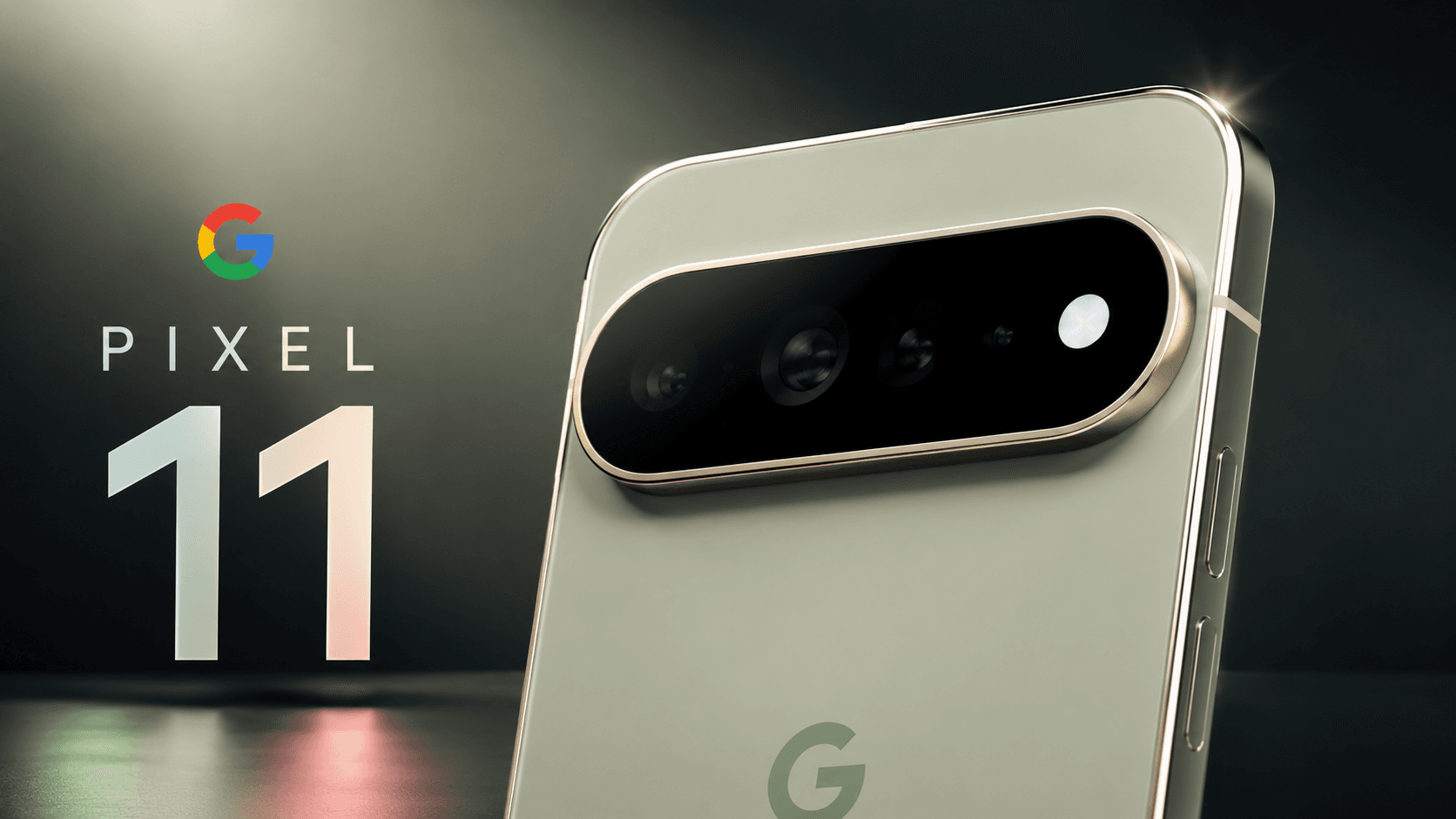
/ Google's Pixel 11 series is official — $899 to $1,899, Tensor G6, HiLight, Gemini Intelligence, and a $100 memory-crisis price hike. Confirmed specs for every phone, Watch 5, and Pixel Tag.
by Hozefa Khety
· updated · 12 min read
Google held Made by Google in New York on August 12, and the headline is not a surprise leap in silicon or battery life. It is a quieter admission: the Pixel 11 series is a software-first generation, priced for a memory crisis, and sold on Gemini Intelligence rather than on the kind of hardware jump that used to define a flagship cycle. Four phones landed — Pixel 11, Pixel 11 Pro, Pixel 11 Pro XL, and Pixel 11 Pro Fold — plus Pixel Watch 5 and Google's first tracker, Pixel Tag.
Every phone starts $100 higher than last year. The base Pixel 11 opens at $899 for 256GB. The Pros start at $1,099 and $1,299. The Fold starts at $1,899. Pre-orders are open now; shelves open August 20. Below is the confirmed lineup — what actually changed, what quietly went backwards, and whether the software is enough to justify buying new.
The honest hardware story: incremental, with a few cuts
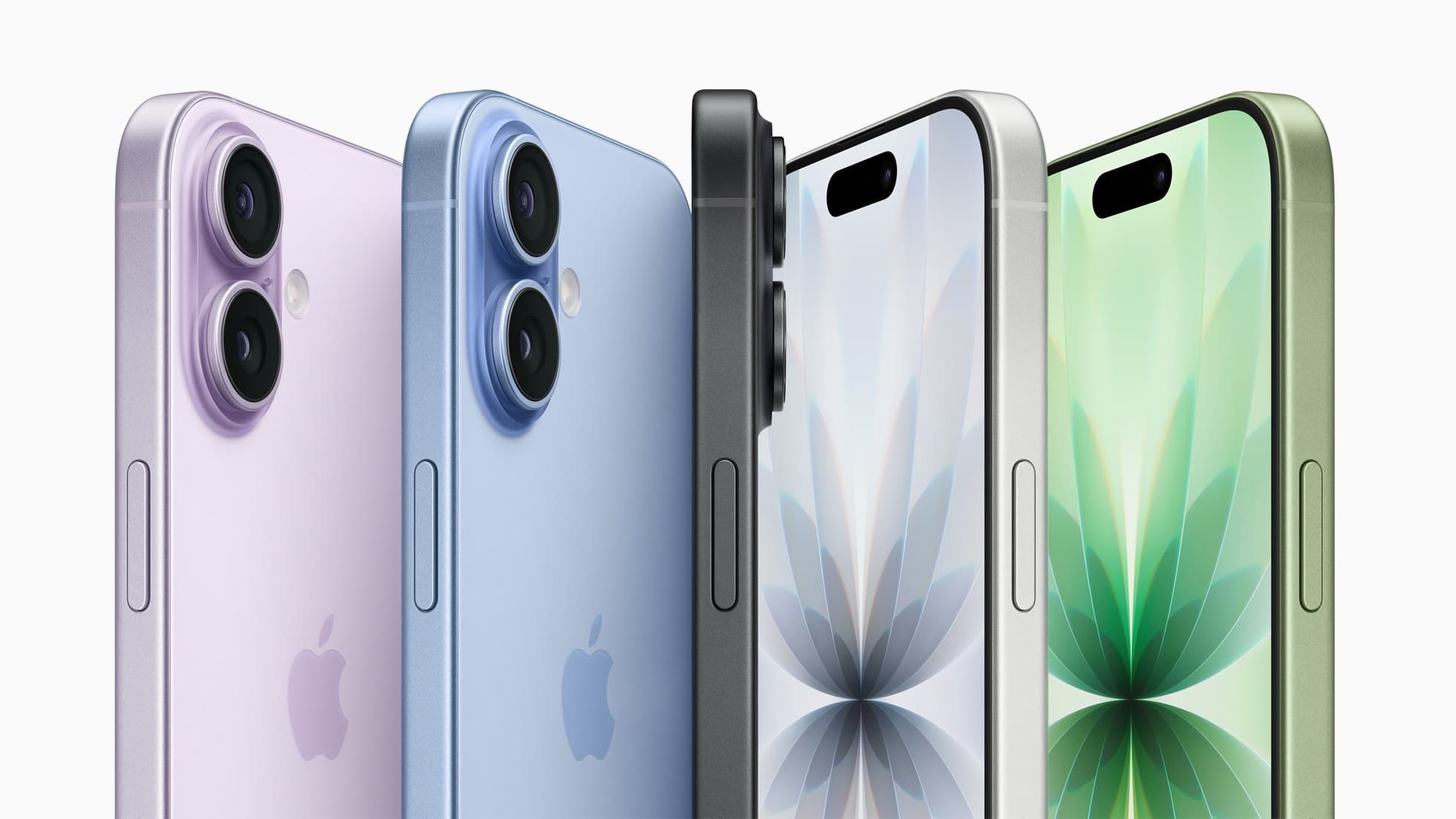
Strip the keynote language and the slab phones share a short list of physical upgrades. Wireless charging moves to Qi2.2 at up to 25W, and Pixelsnap magnets stay — still the rare mainstream Android combination that makes magnetic wireless charging feel finished. The base Pixel 11 gets a new 48MP main sensor Google says collects 56% more light than last year's. The camera bar is edge-to-edge glass and about 40% thinner on the base model, which is enough that a first-party case nearly swallows the bump. Tensor G6 is inside every phone. That is largely it for the metal and glass.
The small print is less flattering. Quoted battery life is still "over 24 hours," but capacities tick down on several models — the Pro XL lands at 5,115mAh (down from last year's 5,200mAh), and the Fold drops to about 4,806mAh. Google is betting Tensor G6's efficiency claim — roughly 20% better power use, 25% faster browsing, 15% quicker app launches — will cover the missing milliamp-hours. Ultra-wide and telephoto hardware on the base phone barely move. Google also did not publish a meaningful graphics leap, which matters if you care about games: Tensor has never led that category, and this generation does not pretend otherwise.
Then there is the memory math. Base storage finally doubles to 256GB across the lineup — good — but the 128GB tier is gone, so the sticker jump is partly "you are buying more flash." On the Pros, the language shifted from "starting at 16GB of RAM" last year to "up to 16GB" this year. The 256GB Pro and Pro XL ship with 12GB; 16GB returns on the 512GB and 1TB configs. The Fold keeps 16GB on every tier. None of that is catastrophic for daily use. It is just the clearest consumer-facing receipt yet that DRAM is expensive in 2026.
Pixel 11: the base phone, and still the clearest buy
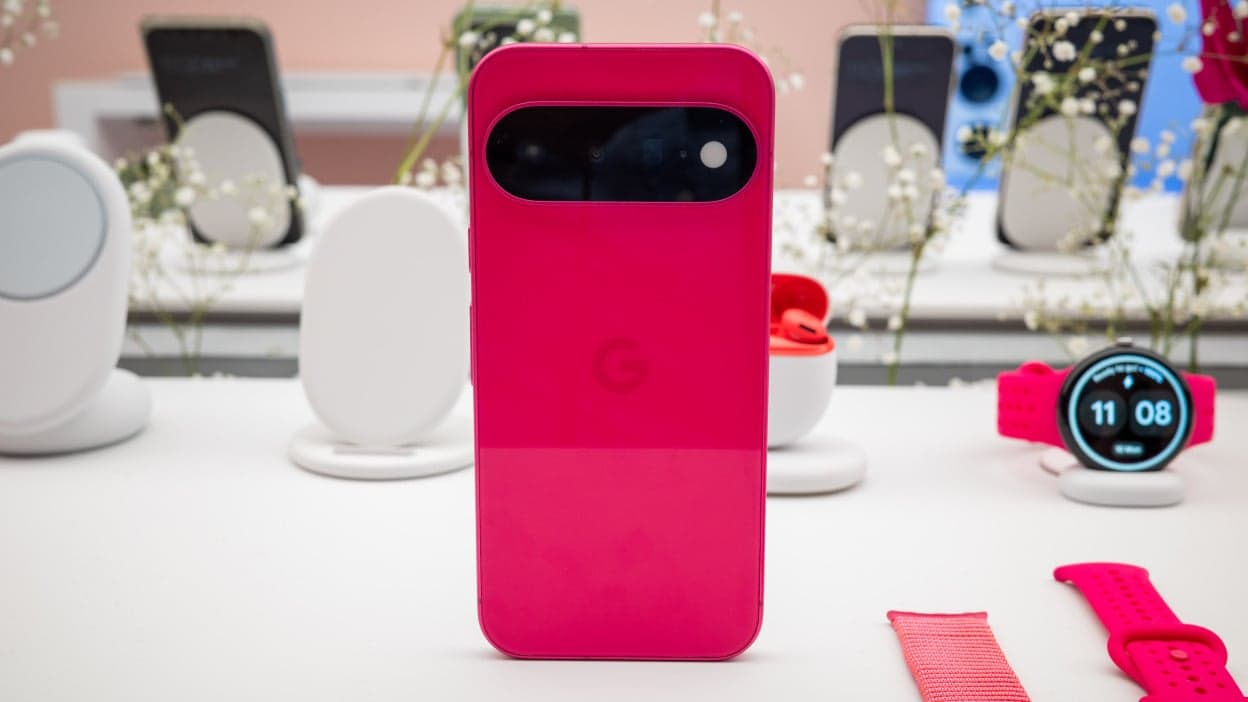
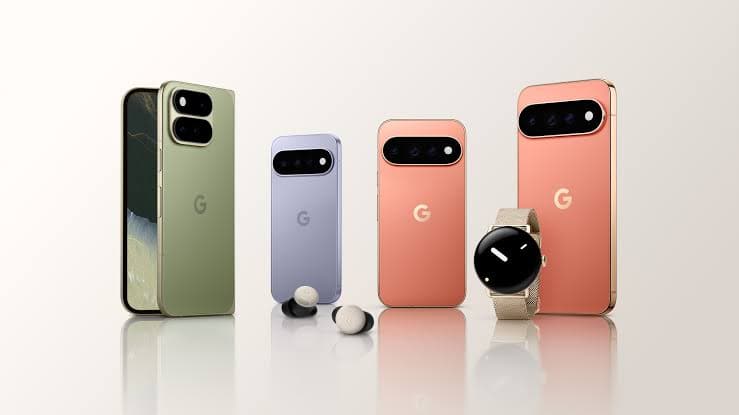
The Pixel 11 keeps a 6.3-inch Actua OLED (1080 x 2424, 60–120Hz) peaking around 3,000 nits, a satin metal frame, and IP68. Colors are Frost, Hibiscus, Obsidian, and Pistachio. Inside: Tensor G6, 12GB of RAM, 256GB or 512GB storage, a ~4,985mAh battery, 30W wired charging, and up to 25W Qi2.2 wireless with Pixelsnap. Cameras are a new 48MP main (1/1.56-inch), a 13MP ultrawide, a 10.8MP 5x telephoto, and a 10.5MP front camera. Digital zoom stretches to 30x.
At $899 / $1,019 for 256GB / 512GB, it is no longer the bargain Pixel used to be — but relative to the Pros, it is where the value still concentrates. You get the new main sensor, the thinner bar, the faster wireless charging, the chip, and the same Gemini software story without paying for HiLight or the Pro camera stack.
Pixel 11 Pro and Pro XL: brighter glass, bigger sensors, thinner promises
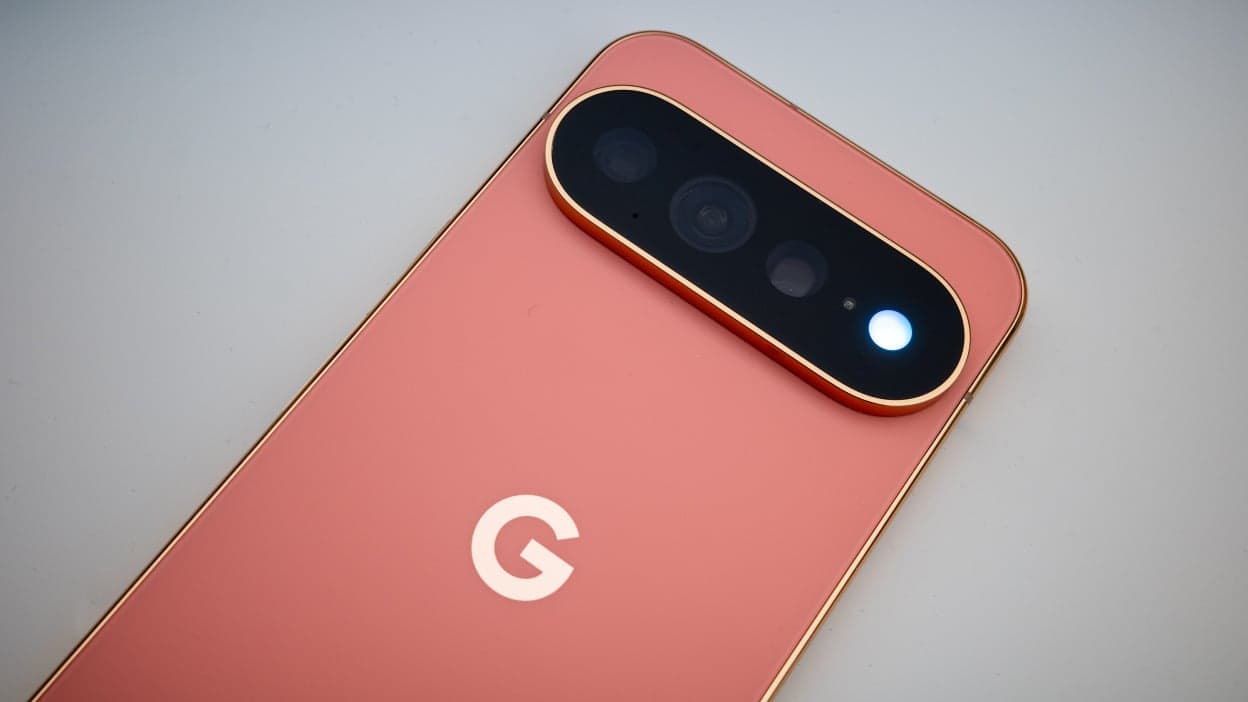
The Pros keep the familiar two-size split: 6.3-inch Pro and 6.8-inch Pro XL, both Super Actua LTPO OLEDs at up to 3,600 nits with a coating Google says more than doubles scratch resistance versus last year. Sides stay shiny; the camera bar is now continuous glass. Colors are Canyon, Fog, Olive, and matte Obsidian. Batteries are about 4,850mAh (Pro) and 5,115mAh (Pro XL). Wired charging stays at 30W on the smaller Pro and rises to 45W on the XL — Google's "15 hours in 15 minutes" line is an XL claim. Wireless is up to 25W Qi2.2 with Pixelsnap on both.
Cameras are the real Pro differentiator. Both share a new 50MP main on a large 1/1.3-inch sensor, a redesigned 48MP 5x telephoto with roughly 30% more light sensitivity and Portrait Mode at 5x, a 48MP ultrawide, and a 42MP front camera. Pro Zoom reaches 120x. Instant Night Sight on the Pros is rated up to 4.5× faster than recent Pixel generations while keeping quality — the kind of software-plus-ISP win Pixels still own even when the glass barely moves.
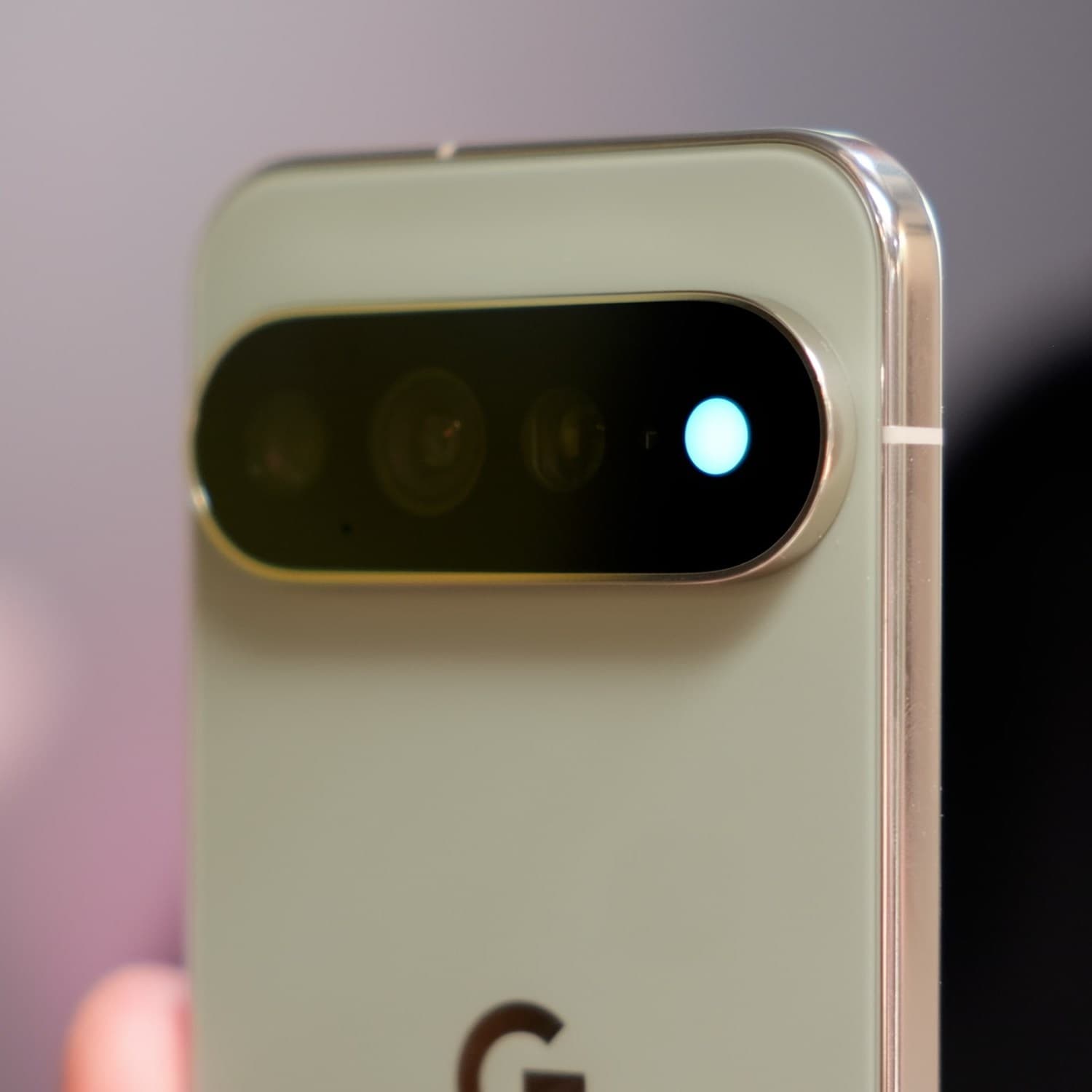
HiLight is the hardware talking point Google wants you to remember. A ring of LEDs around the rear flash glows when Gemini is listening, thinking, or answering, and can light a color you assign to favorite contacts on phone or WhatsApp voice calls. Message notifications and broader developer hooks are promised later, not at launch. To make room for the edge-to-edge bar, the body temperature sensor from recent Pros is gone. Whether you miss that sensor is personal; whether HiLight earns a new Pro purchase is a harder sell when its day-one job is mostly a dressed-up status light.
Pricing: Pixel 11 Pro is $1,099 (12GB/256GB), $1,219 (16GB/512GB), $1,449 (16GB/1TB). Pro XL is $1,299 / $1,419 / $1,649 on the same storage ladder. Pro buyers also get six months of Google AI Pro. On paper that puts the top Pixel next to Samsung's Ultra money — and Samsung still brings a stronger raw phone on screen, battery, and performance for many buyers. Pixel's case remains software cleanliness and first access to Gemini features, not winning a spec sheet fight.
Pixel 11 Pro Fold: thinner, lighter, same storage, higher price
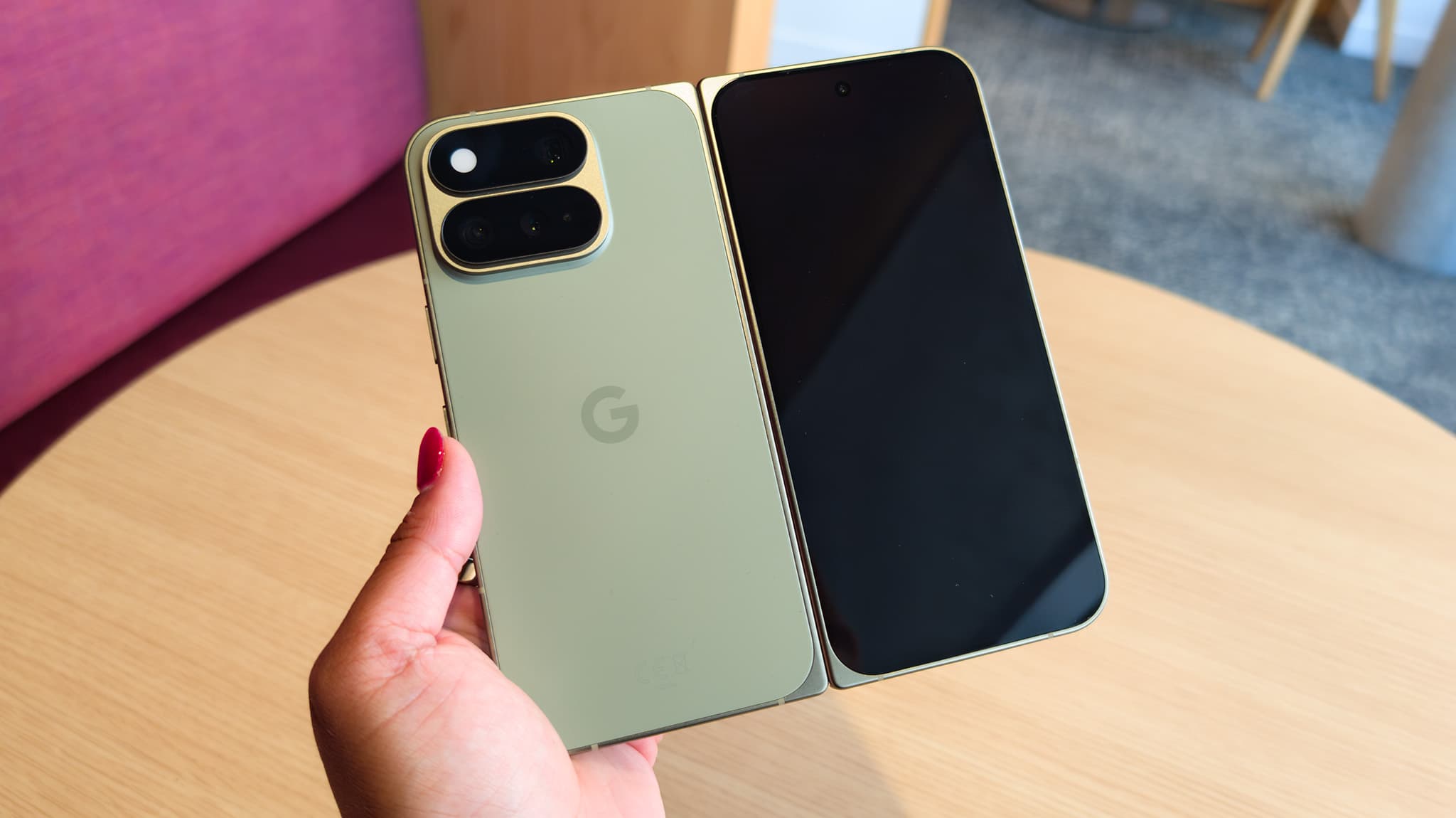
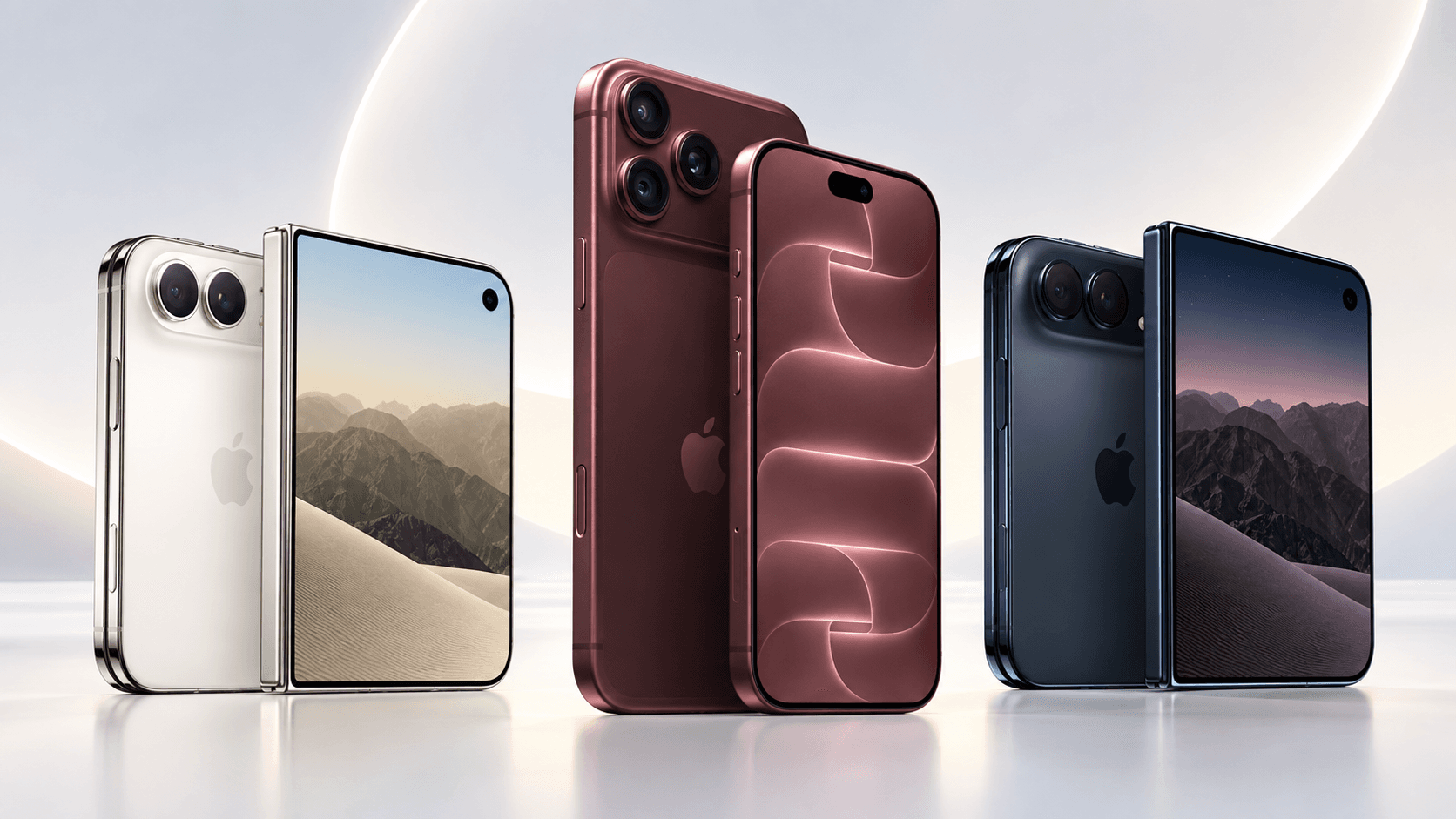
The Fold gets Tensor G6, HiLight, Qi2.2 wireless up to 25W, and the base Pixel's new 48MP-class main camera story rather than the Pro slab's 50MP stack. Cover display grows to 6.5 inches; the inner panel stays 8.0 inches. Both peak at 3,600 nits with tougher glass. Google claims almost 10% less weight, about 1mm thinner when folded, thinner cover bezels, a gearless hinge, improved crease behavior, IP68 again, and a glass-fiber composite back it says is nearly impossible to crack — which also reads as a polymer-forward trade versus premium glass. Battery is about 4,806mAh with 30W wired charging. RAM is 16GB across the board. Colors: Obsidian and Olive.
Price: $1,899 / $2,019 / $2,249 for 256GB / 512GB / 1TB. That is another $100 step with no storage consolation on the base tier. Rival foldables at this money are thinner, crease harder, or pack larger batteries. The Fold still wins on tall cover-screen usefulness and dust/water resistance many book foldables still skip — just not on the "we finally caught the category" narrative.
Tensor G6: built for Gemini, not for bragging rights
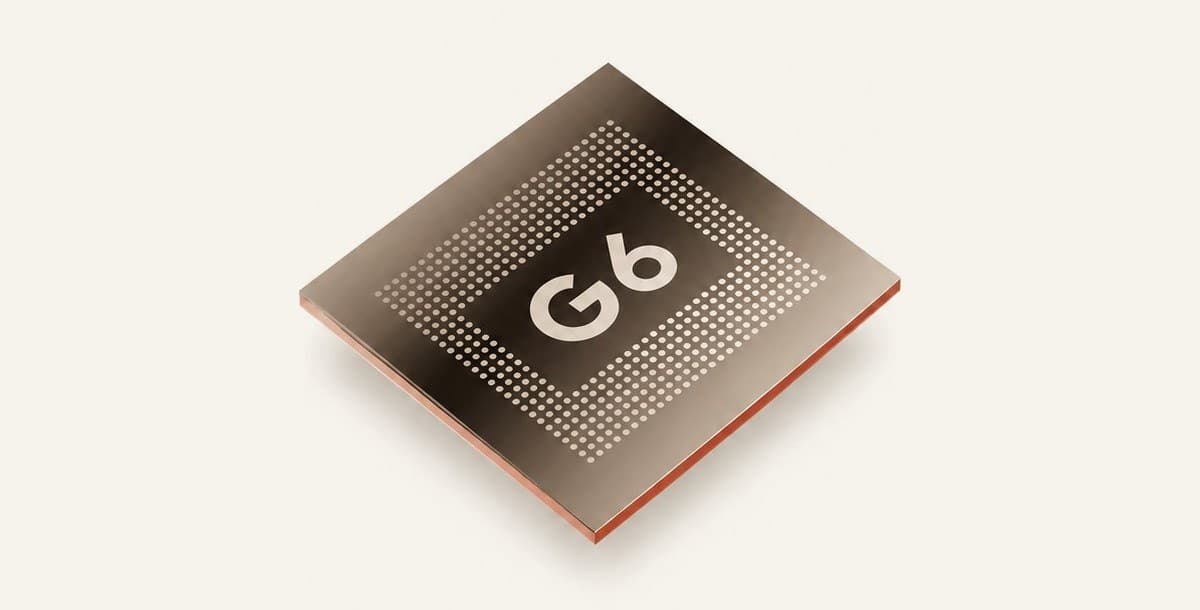
Tensor G6 is Google's fastest Pixel chip yet by its own metrics, paired with Titan M3 and post-quantum secure boot messaging. Official claims stay practical: snappier browsing and app opens, a stronger TPU for Gemini Nano, a better ISP for Night Sight and video, and efficiency that is supposed to offset smaller batteries. Google is not pitching it as the chip that finally beats Snapdragon at games. If that mismatch bothered you on Pixel 10, it will bother you here — only with better AI headroom.
Gemini Intelligence: where Google is actually spending ambition
This is the half of the launch that feels like a generational change. Gemini Intelligence expands multistep help across more than 40 apps, surfaces glanceable cards inside conversations (flight status when someone asks about your trip, a tap to lock a dinner reservation), and pushes proactive prompts into Calendar, Maps, and Wallet. Availability is limited by country and language at launch — Europe in particular is in the "coming soon" bucket for several features — so check your market before you buy for a specific demo.
Rambler is the standout input feature: Gemini-powered voice typing in Gboard that cleans filler words, resolves mid-sentence corrections, and lands the sentence you meant. It works in any app that uses the keyboard. Sign-to-text, built with DeepMind's sign-language model, lets signers compose in Live Transcribe and Gboard. Live Translate now extends into supported video and audio — auto-detecting another language and dubbing playback — with the usual caveats about language count and cherry-picked demos.
Camera software carries as much weight as the new sensors. Magic Capture records while you stay in the moment, then uses on-device models plus Gemini to pull sharp 12MP stills (and a video) from hundreds of frames, with crop and unblur applied. Camera Looks set processing aesthetics at capture — Natural, Shadows, Vanilla, plus stylized presets — inside the HDR+ pipeline rather than as a post filter. Creator Suite adds an on-screen teleprompter that scrolls with your speech, social-layout guides, an audio level visualizer, project folders, and Storyboard trimming. Circle to Search works from the viewfinder. Video processing is sharper with better skin tones and cleaner shadows even on lenses that did not change — classic Pixel: fix the image after the glass.
Pixel Watch 5 and Pixel Tag
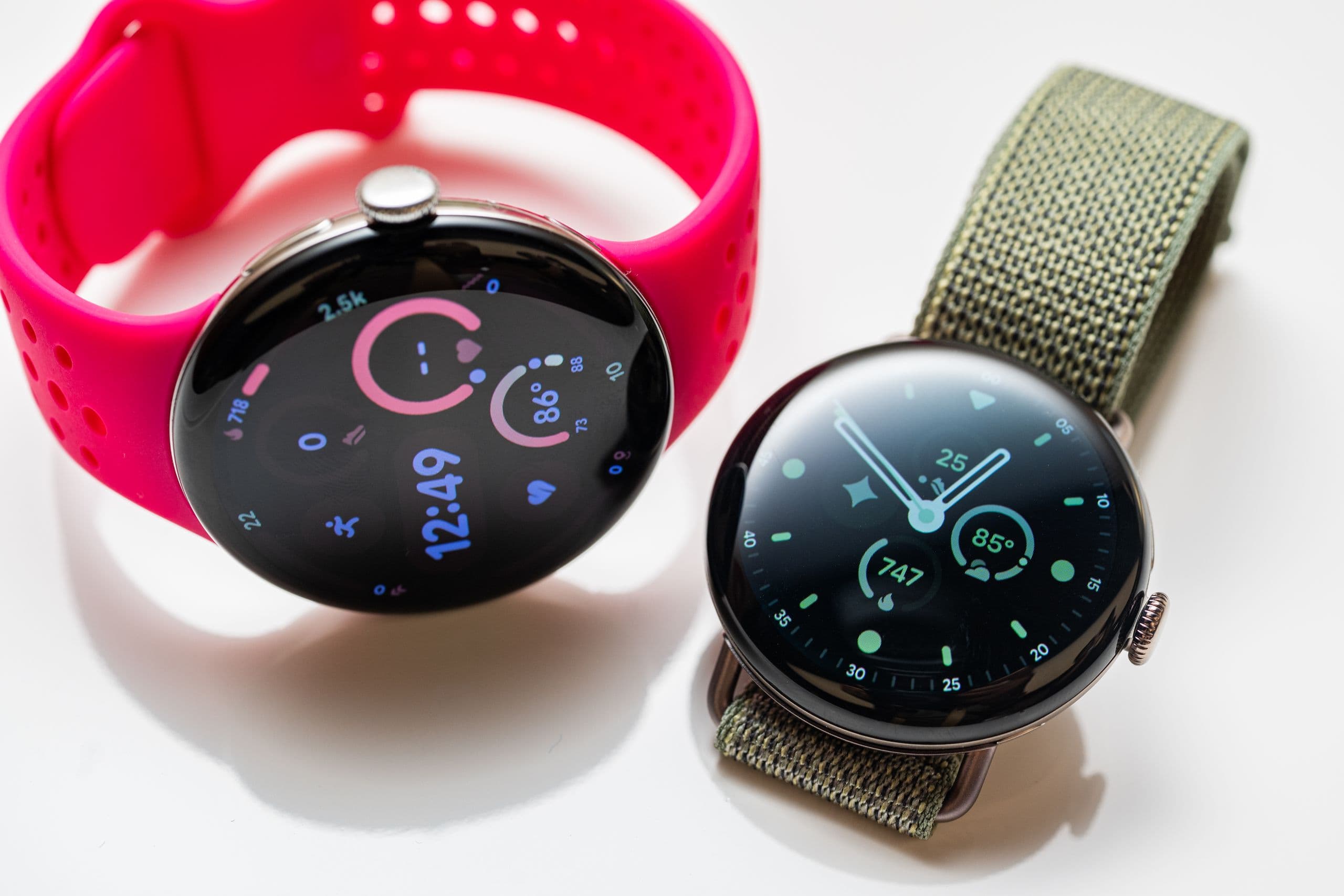
Pixel Watch 5 looks like Watch 4 on purpose. Inside: Snapdragon W5 Gen 2 Accelerated, more on-device RAM for Gemini, generative watch faces, offline voice for timers and workouts, better urban GPS, and Health Guardian features including blood-pressure and insulin-resistance trend estimates (also rolling to recent Pixel Watches and Fitbit Air — not clinical devices). Prices: $399 (41mm) and $429 (45mm), LTE +$100; Stephen Curry special edition $579. Ships August 20.
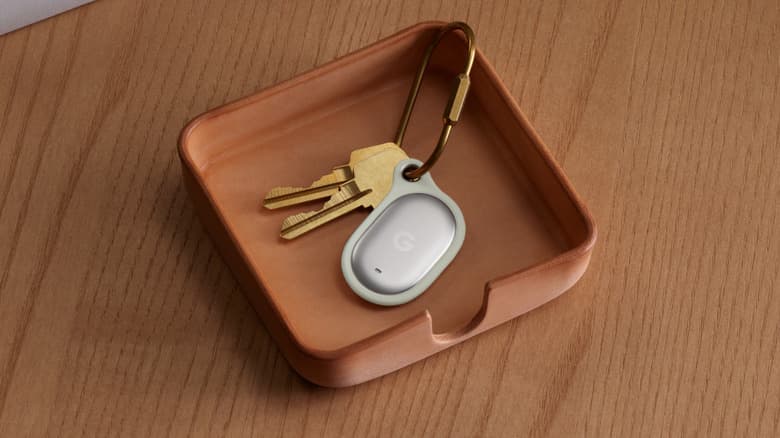
Pixel Tag is Google's Find Hub tracker: stainless steel, replaceable battery, speaker, UWB precision with Pro phones, Gemini-assisted finding. $29 each or $99 for four — shipping November 11, not with the phones.
Should you buy one?
If you want the new Gemini features on day one and you like Pixel's software, the base Pixel 11 is the rational pick in this lineup — same chip story, real camera-sensor upgrade, fewer neutered "exclusive" gimmicks. If you already own a Pixel 10, the hardware delta is small enough that waiting for price cuts, or letting software trickle down, is the adult move. Last year's flagship will depreciate fast; this year's RAM and battery choices do not scream "must future-proof at MSRP."
If you are choosing between a top Pixel and a top Samsung at the same money, buy Samsung for the phone-as-hardware. Buy Pixel for the software personality and early Gemini access. That split has been true for years. Made by Google 2026 just made it louder — and $100 more expensive.
What it adds up to
Pixel 11 is not the year Google finally chased peak brightness charts, peak charge watts, or peak GPU scores. It is the year the AI memory crunch showed up on the price tag and the RAM line, while Google pulled harder on the only lever it trusts: computational photography and Gemini baked into the daily OS. Some of those features will eventually land on older Pixels. Some will stay exclusive long enough to sell phones. The hardware is running on fumes. The software is not. Whether that bargain is worth $899–$1,899 depends entirely on which half of a smartphone you actually buy for.
Frequently asked questions
What did Google announce at Made by Google 2026?
Google announced the Pixel 11, Pixel 11 Pro, Pixel 11 Pro XL, and Pixel 11 Pro Fold, all powered by Tensor G6 and designed for Gemini Intelligence. It also announced Pixel Watch 5 and Pixel Tag, Google's first Find Hub tracker.
How much do the Pixel 11 phones cost?
Pixel 11 starts at $899 (256GB). Pixel 11 Pro starts at $1,099, Pixel 11 Pro XL at $1,299, and Pixel 11 Pro Fold at $1,899. Every model is $100 above last year's starting price, and the old 128GB tier is gone.
When do the Pixel 11 phones go on sale?
Pre-orders opened August 12, 2026. Retail availability begins August 20, 2026 at the Google Store and retail partners. Pixel Tag ships later, on November 11.
What is HiLight on Pixel 11 Pro?
HiLight is a ring of LEDs around the rear flash on Pro models and the Pro Fold. At launch it shows Gemini listening/thinking/responding patterns and custom colors for favorite-contact calls (including WhatsApp voice). Broader notification uses are promised later. The body temperature sensor from recent Pros is removed.
Does the Pixel 11 Pro have less RAM than last year?
Yes on the base storage tier. Pixel 11 Pro and Pro XL with 256GB include 12GB of RAM; 512GB and 1TB configs include 16GB. Last year's Pros started at 16GB across the board. The Pixel 11 Pro Fold keeps 16GB on every storage tier.
What is new in the Pixel 11 cameras?
The base Pixel 11 and Pro Fold get a larger 48MP main sensor with 56% more light sensitivity. The Pro and Pro XL get a new 50MP main (1/1.3-inch) and a redesigned 48MP 5x telephoto. Software adds Magic Capture, Camera Looks, faster Instant Night Sight on Pros, Creator Suite, and higher digital zoom ranges.
What is Gemini Intelligence on Pixel 11?
It is Google's expanded on-phone Gemini layer: multistep tasks across 40+ apps, proactive cards and suggestions, Rambler voice typing, sign-to-text, Live Translate dubbing for supported media, and deeper camera integration. Feature availability varies by country and language; some markets do not get the full set at launch.
What is the Pixel Watch 5 price?
Pixel Watch 5 starts at $399 for 41mm and $429 for 45mm, with LTE adding $100. A Stephen Curry special edition is $579. Pre-orders opened with the phones; general availability is August 20, 2026.
What is Pixel Tag?
Pixel Tag is Google's $29 Find Hub tracker ($99 for a four-pack). It uses the Android Find Hub network, has a speaker and replaceable battery, and can use ultra-wideband with Pro Pixels for precision finding. It ships November 11, 2026.
Should I upgrade from a Pixel 10 to a Pixel 11?
Only if you specifically want day-one Gemini Intelligence features, the new main sensors, or HiLight on a Pro. Hardware elsewhere is incremental, batteries are not larger, and base Pro RAM is lower on the 256GB tier. Many buyers will be better served waiting for discounts or staying on Pixel 10 while software features trickle down.