PS5 QSSR: AI upscaling for base PS5
/ Sony brings QSSR AI upscaling to standard PS5. Wolverine and Ghost of Yōtei patched Oct 1; Digital Foundry breaks down quality and the ~1.5–1.8ms cost.
by Hozefa Khety
· 8 min read
Sony Interactive Entertainment is bringing AI-guided upscaling to the standard PlayStation 5 — not only the PS5 Pro. On October 1, 2026, Principal Engineer Daniel Craig announced Quick Spectral Super Resolution (QSSR) on the PlayStation Blog: a lighter performance tier of the Pro's PlayStation Spectral Super Resolution (PSSR), born from Project Amethyst, Sony's AI graphics collaboration with AMD. The same day, Insomniac Games' Marvel's Wolverine and Sucker Punch's Ghost of Yōtei shipped patches that add QSSR as a graphics option on base PS5. Facts below checked October 4, 2026 against the PlayStation Blog, Digital Foundry, Tom's Hardware, and Destructoid.
Until now, PSSR's computational demands made a base-PS5 version impractical. Craig writes that QSSR rests on two innovations: a streamlined neural network architecture, and a hand-tuned implementation that maximizes performance on PS5 silicon. PSSR remains the "gold standard" on PS5 Pro; QSSR is pitched as a notable upgrade to image detail and temporal stability on the original console versus conventional upscalers.
QSSR vs PSSR on PS5 Pro
PSSR analyzes game frames pixel by pixel and uses AI to reconstruct a sharper, more stable image — a headline PS5 Pro feature. Digital Foundry notes the Pro carries about 300 TOPS of dedicated ML hardware for that job, and PSSR commonly uses INT8 instructions. The base PS5 does not support that path the same way.
Craig told Digital Foundry that QSSR relies primarily on FP16 math, packed math instructions, and other less-obvious console optimizations to keep the pipeline busy. Sony says it picked a cost-versus-quality spot developers can afford while still beating stock temporal anti-aliasing. The Pro still wins on higher base and output resolutions; DF stresses there remains a large gap between QSSR on standard PS5 and PSSR on Pro.
First games: Wolverine and Ghost of Yōtei
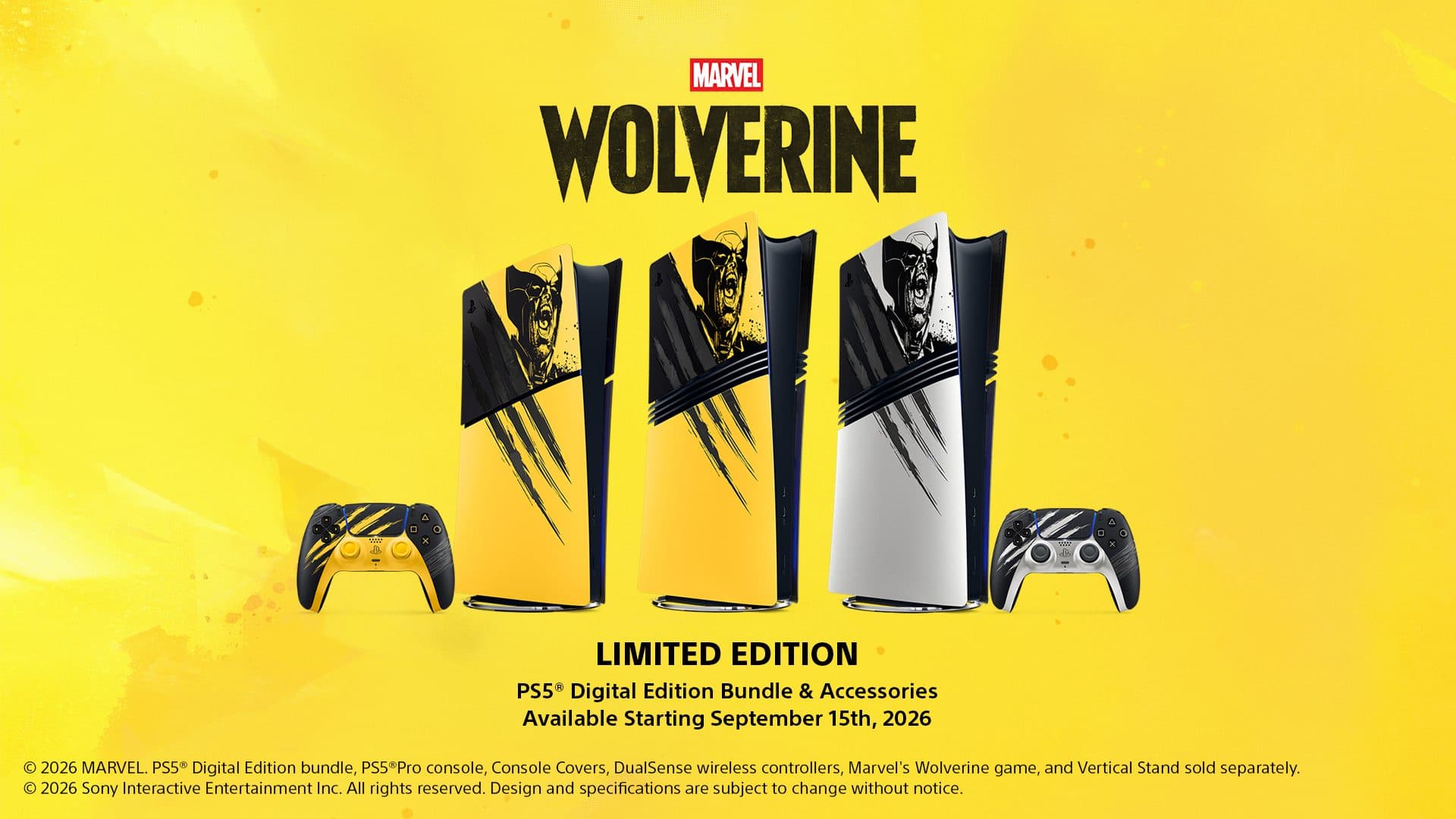
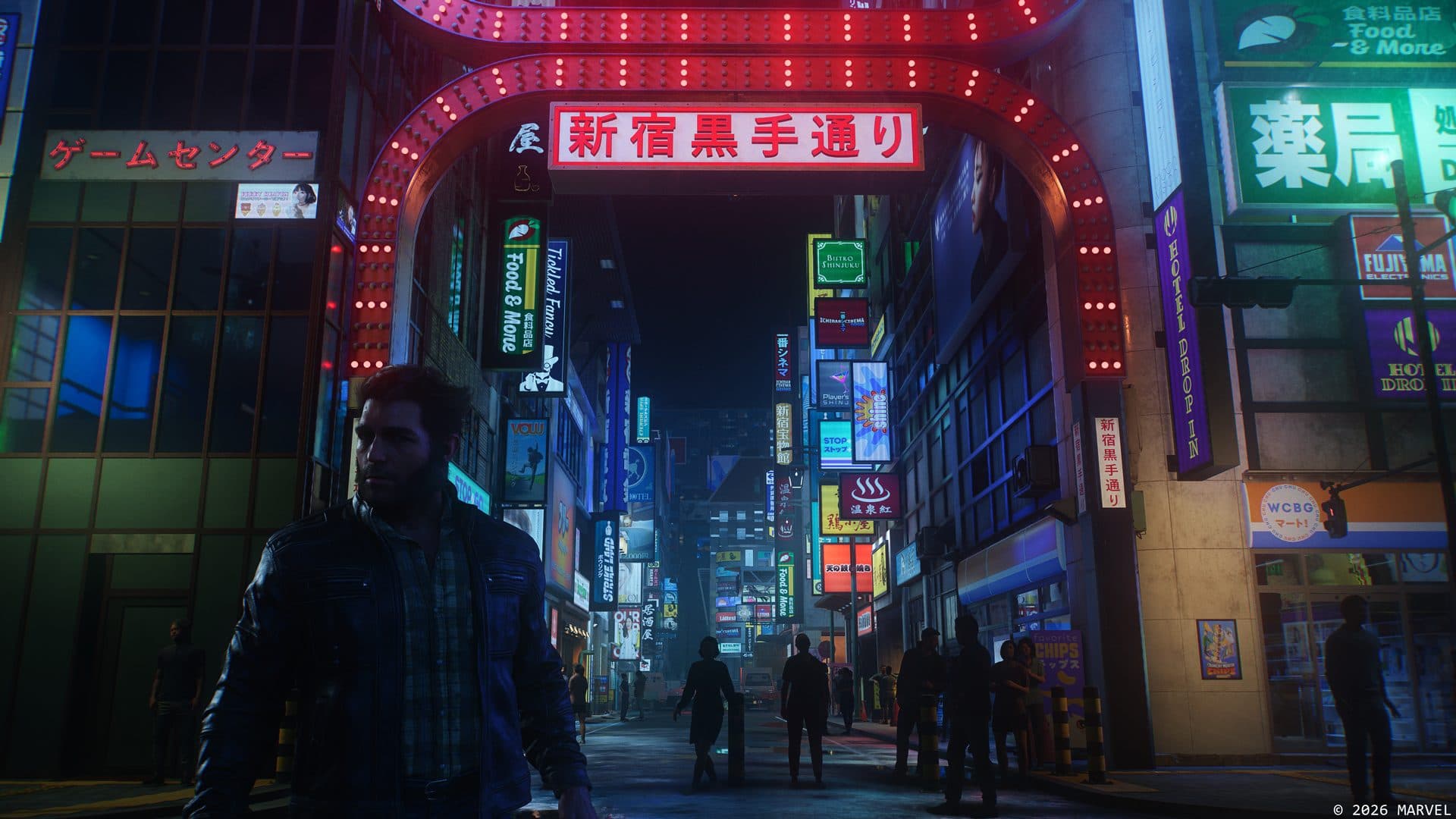
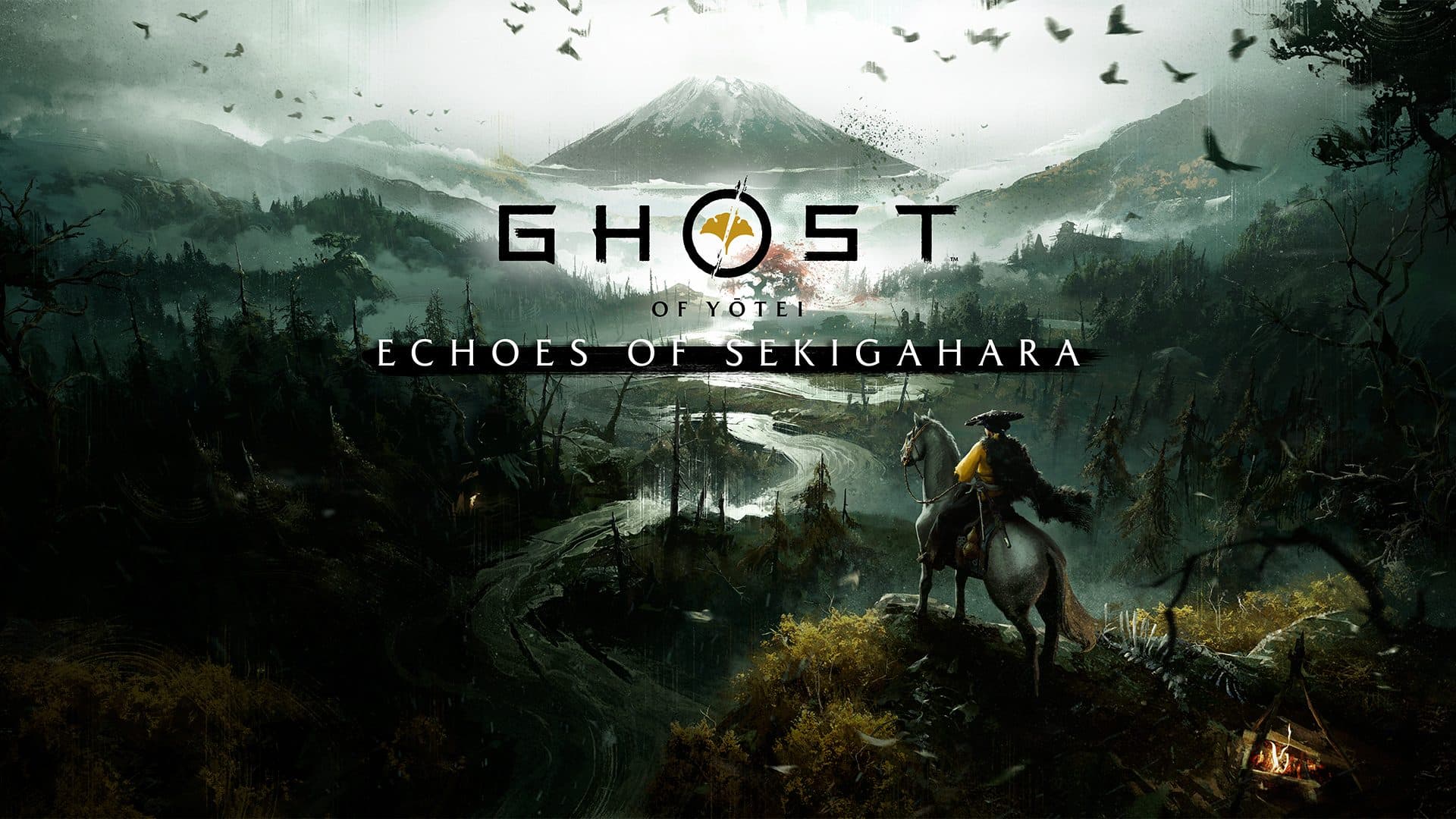
Marvel's Wolverine (Insomniac) and Ghost of Yōtei (Sucker Punch) were patched on announcement day to expose QSSR as an extra graphics option on PS5. Mike Fitzgerald, Insomniac's Head of Technology, said QSSR adds pixel-level clarity and stability in dense city environments such as Madripoor and Shinjuku, calling it "a great taste of the PS5 Pro experience" for base-PS5 players. Jasmin Patry, Lead Rendering Engineer at Sucker Punch, said QSSR resolves fine character and environment detail with temporal stability that "hasn't been possible on the PS5 console until now."
What Digital Foundry measured
Digital Foundry's Richard Leadbetter spent about six hours hands-on weeks before the public announce and published detailed notes the same day as Sony's blog. In Marvel's Wolverine, DF calls the quality boost exceptional in places: better temporal stability, higher apparent detail, stronger sub-pixel integrity, and fewer foliage ghosting artefacts versus Insomniac's prior solution. Ghost of Yōtei, already looking solid, saw less dramatic gains.
Performance is not free. In uncapped VRR performance-mode cutscene tests on Wolverine, DF measured QSSR about 1.5–1.8 ms slower than Insomniac's upscaler when scaling roughly 864p to 1440p — roughly an 8–10 fps gap at like-for-like resolution. In a normal 60 Hz performance mode with dynamic resolution, internal resolution drops to protect the frame-rate target, so output fps stays similar while image quality rises. Upscaling toward 2160p was much more expensive in DF's fidelity uncapped run (about 4.4 ms of frame-time cost in that test), so 1440p-class outputs look like the more natural fit for QSSR on base hardware. On Ghost of Yōtei's uncapped 120 Hz performance path, DF saw QSSR running almost identically to the game's stock FSR 3 implementation in the scenario tested.
Developer availability and cost
Sony says QSSR will be offered broadly to all PlayStation developers. Craig told DF that for titles that already support PSSR, QSSR is "fundamentally a drop-in replacement," with a few days of tuning (for example streaming / mip residency). Retrofits to older games are described as relatively easy and low risk; Sony is most excited about future titles authored with both QSSR and PSSR in mind. There is no consumer price — this is a software library and game-patch feature, not a paid console upgrade. Players get it when a studio ships support; no separate purchase is required beyond owning the game on PS5.
What it means for base PS5 owners
QSSR does not turn a standard PS5 into a PS5 Pro. Tom's Hardware's Kunal Khullar frames it as a meaningful software-level upgrade: sharper, more stable visuals in supported games without buying new hardware, while Pro still leads on dedicated ML silicon and higher-resolution PSSR. For owners who stayed on the original console, the practical question is studio adoption — Wolverine and Yōtei are the proof points, and Sony is inviting the rest of the catalog to follow.
If you already own either day-one title, check for the October 1, 2026 patches and look for QSSR in the graphics options on PS5. Expect more patches over the coming months if developers treat it as the new default alternative to TAA / FSR 3 / similar software paths on base hardware.
Frequently asked questions
What is QSSR on PS5?
Quick Spectral Super Resolution (QSSR) is Sony's AI upscaling library for the standard PlayStation 5. Announced October 1, 2026 on the PlayStation Blog, it is a lighter performance tier related to PS5 Pro's PSSR, built with a streamlined neural net and a hand-tuned PS5 implementation from Project Amethyst (Sony + AMD).
Is QSSR the same as PSSR on PS5 Pro?
No. Sony says PSSR remains the gold standard on PS5 Pro, which has dedicated ML hardware (about 300 TOPS per Digital Foundry). QSSR targets base PS5 with FP16-heavy math and other optimizations. Image quality and resolution headroom still favor Pro, but QSSR aims to beat conventional TAA / software upscalers on the original console.
Which games support QSSR today?
At launch on October 1, 2026, Marvel's Wolverine and Ghost of Yōtei were patched to offer QSSR as a graphics option on PS5. Sony says the library will be offered broadly to all PlayStation developers for more titles later.
Does QSSR cost money?
No separate consumer fee was announced. QSSR ships as a developer library and game updates. If you own a supported game on PS5, the patch adds the option — checked against the PlayStation Blog and secondary coverage on October 4, 2026.
How much performance does QSSR cost?
Digital Foundry's Wolverine uncapped tests put QSSR roughly 1.5–1.8 ms slower than Insomniac's prior upscaler when scaling about 864p to 1440p (around 8–10 fps at like-for-like resolution). In 60 Hz modes with dynamic resolution, frame-rate targets are held while internal resolution adjusts. 4K-class output was much more expensive in DF's fidelity uncapped test (~4.4 ms in that run).
What is Project Amethyst?
Project Amethyst is Sony Interactive Entertainment's AI graphics collaboration with AMD. Sony says QSSR was born from that work — a quick evolution of PSSR ideas tuned to run on base PS5 hardware.
Can developers add QSSR to older PS5 games?
Yes, according to Sony and Digital Foundry. Games that already support PSSR can often treat QSSR as a drop-in with tuning. Titles without PSSR need more work but can still be retrofitted; Sony also expects new games to be authored with both QSSR and PSSR in mind.
Where did Sony announce QSSR?
Daniel Craig's PlayStation Blog post "AI upscaling is coming to PS5" on October 1, 2026, with studio quotes from Insomniac and Sucker Punch. Digital Foundry published announce and hands-on analysis the same news cycle; Tom's Hardware and Destructoid carried secondary coverage.