Surface Laptop Ultra price, specs and Windows AI news
/ Surface Laptop Ultra starts at $2,599.99 and ships Oct 16. Specs, regional prices, the $5,999.99 Dev Box and every Windows 11 AI feature Microsoft announced.
by Hozefa Khety
· 10 min read
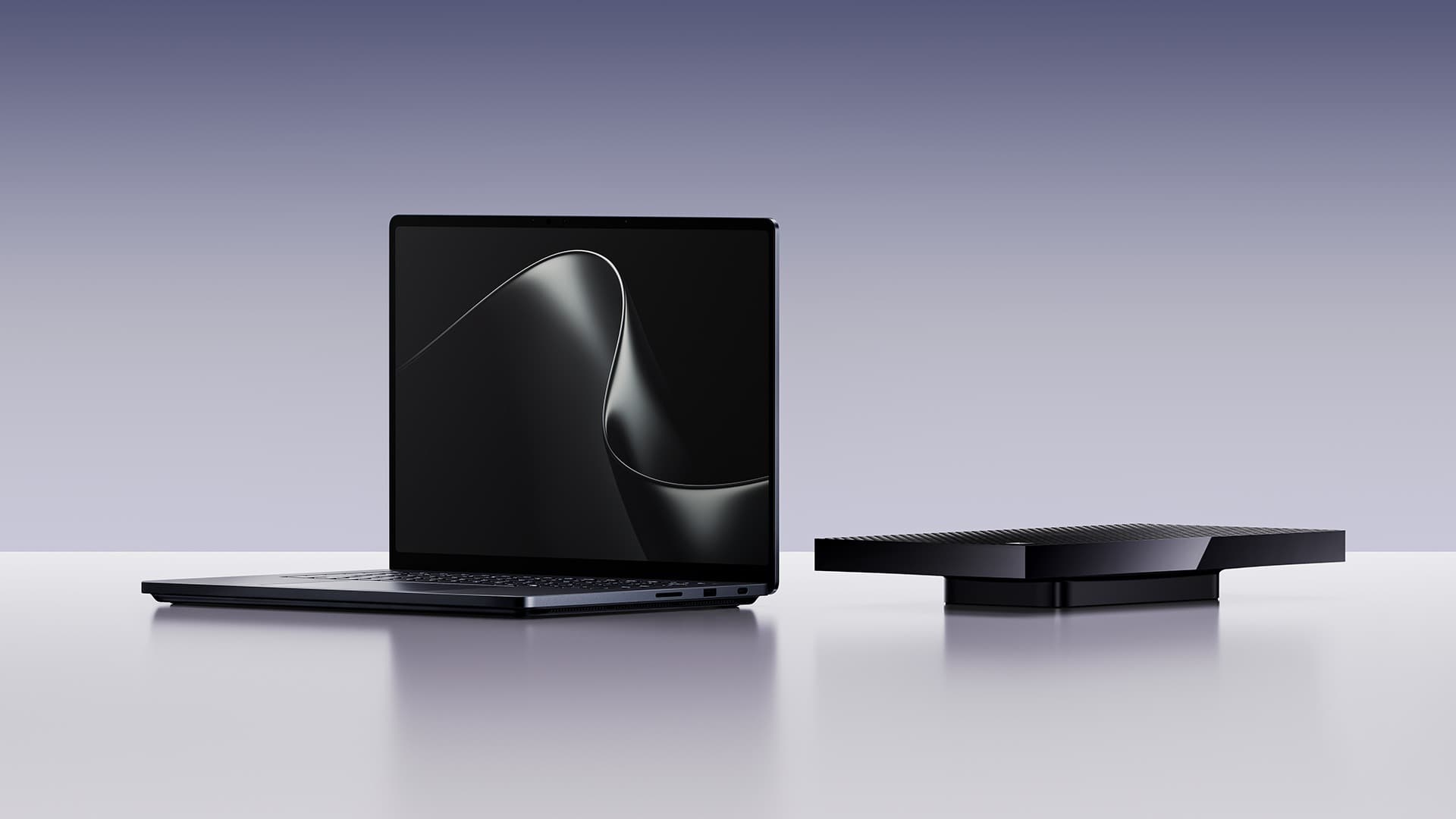
Microsoft's Windows and Surface event in San Francisco on October 7, 2026 finally put a price on the Surface Laptop Ultra. Microsoft's most powerful laptop, built around NVIDIA's new RTX Spark chip, starts at $2,599.99 in the US, is up for pre-order now and arrives on October 16. Microsoft also opened pre-orders for the $5,999.99 Surface RTX Spark Dev Box, a desktop box for AI developers, and spent most of the keynote on Windows 11 changes for AI agents: a new security sandbox, local AI models that run on your own PC, a smarter Copilot and a Windows Search box that can do things for you. Satya Nadella, NVIDIA CEO Jensen Huang and Windows chief Pavan Davuluri all took the stage. Here is everything that was announced, with official specs and prices. (Prices checked on Microsoft's own store pages on October 7, 2026 at 19:10 UTC.)
Surface Laptop Ultra price and release date
Surface Laptop Ultra starts at $2,599.99 on Microsoft.com (Microsoft's announcement rounds it to $2,599 MSRP). That buys the entry model: an 18-core NVIDIA RTX Spark chip with a 5,120-core graphics processor, 24GB of memory and a 512GB drive. Pre-orders opened on October 7 at Microsoft.com and select retailers worldwide, and Microsoft says availability begins October 16. Business configurations are also up for pre-order.
Higher configurations get expensive quickly. Windows Central and The Verge report that the faster 20-core model with a 6,144-core graphics processor starts at $3,699.99 with 32GB of memory and a 1TB drive, and that the top configuration with 128GB of memory and 1TB of storage costs $5,899.99. Microsoft sells memory options of 24GB, 32GB, 48GB, 64GB and 128GB and storage up to 2TB; we could not see official prices for every in-between combination at the time of writing.
Microsoft also lists starting prices outside the US: CA$3,899.99 in Canada, £2,599 in the UK, €2,899 in Germany and France, AU$4,399 in Australia and ¥513,480 in Japan (all checked on Microsoft's regional Surface Laptop Ultra pages at 19:10 UTC). Colors are Platinum and a new dark Nightfall, though Microsoft notes some colors are only available on selected models.
There is a launch offer aimed squarely at Apple users: trade in an eligible MacBook Pro and get up to $1,000 cash back. Per Microsoft's terms, it runs from October 7 to November 23, 2026 and only through the online Microsoft Store in the US and Canada.
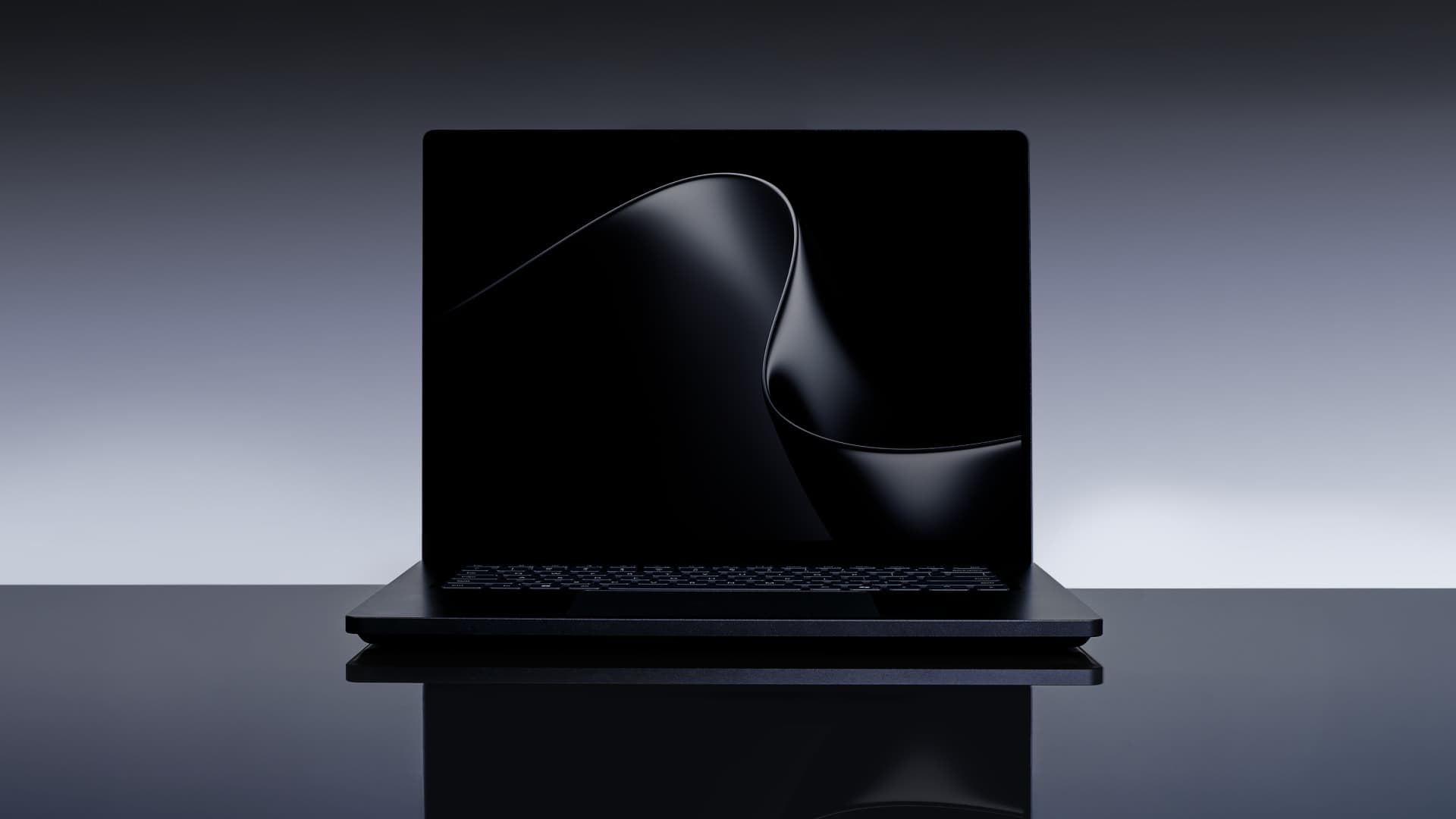
Surface Laptop Ultra specs
Chip: NVIDIA RTX Spark N1X, which combines an NVIDIA Grace processor and a Blackwell RTX graphics chip on one piece of silicon, in two versions: 18-core CPU with a 5,120-core GPU, or 20-core CPU with a 6,144-core GPU. Microsoft and NVIDIA rate it at up to one petaflop of AI performance (a theoretical figure for NVIDIA's lowest-precision math) and say it can run AI models with more than 120 billion parameters locally. The memory is shared between the processor and graphics, like on Apple's Macs, and comes in 24GB, 32GB, 48GB, 64GB or 128GB.
Display: 15-inch PixelSense Ultra mini-LED touchscreen, 3270 x 2180 pixels (262 pixels per inch), 3:2 shape, up to 120Hz, 100% DCI-P3 color, Dolby Vision IQ and up to 2,000 nits of peak HDR brightness. Microsoft claims that is the brightest peak HDR of any laptop on sale and up to 25% brighter than the MacBook Pro M5. The screen supports touch but not the Surface Pen.
Storage, battery and size: removable SSD of 512GB, 1TB or 2TB, so you can swap or upgrade it yourself. Microsoft rates the 92Wh battery at up to 15 hours of local video playback or up to 12 hours of web browsing (its own tests on a 20-core, 64GB model). It measures 328.8 x 238.7 x 17.99mm and weighs 2.0kg (4.41lb), with a 140W USB-C charger in the box. Microsoft says the new cooling system has up to 2.5 times the thermal capacity of the Surface Laptop 15-inch, with bigger fans spinning slower for less noise.
Everything else: a 1080p Surface Studio Camera with Windows Hello face sign-in, quad speakers with Dolby Atmos, two studio microphones, Wi-Fi 7 and Bluetooth 5.4, a backlit keyboard with a Copilot key, and a haptic touchpad that Microsoft says is 30% larger than before. The 24GB model ships with Windows 11 Home and every other memory option with Windows 11 Pro.
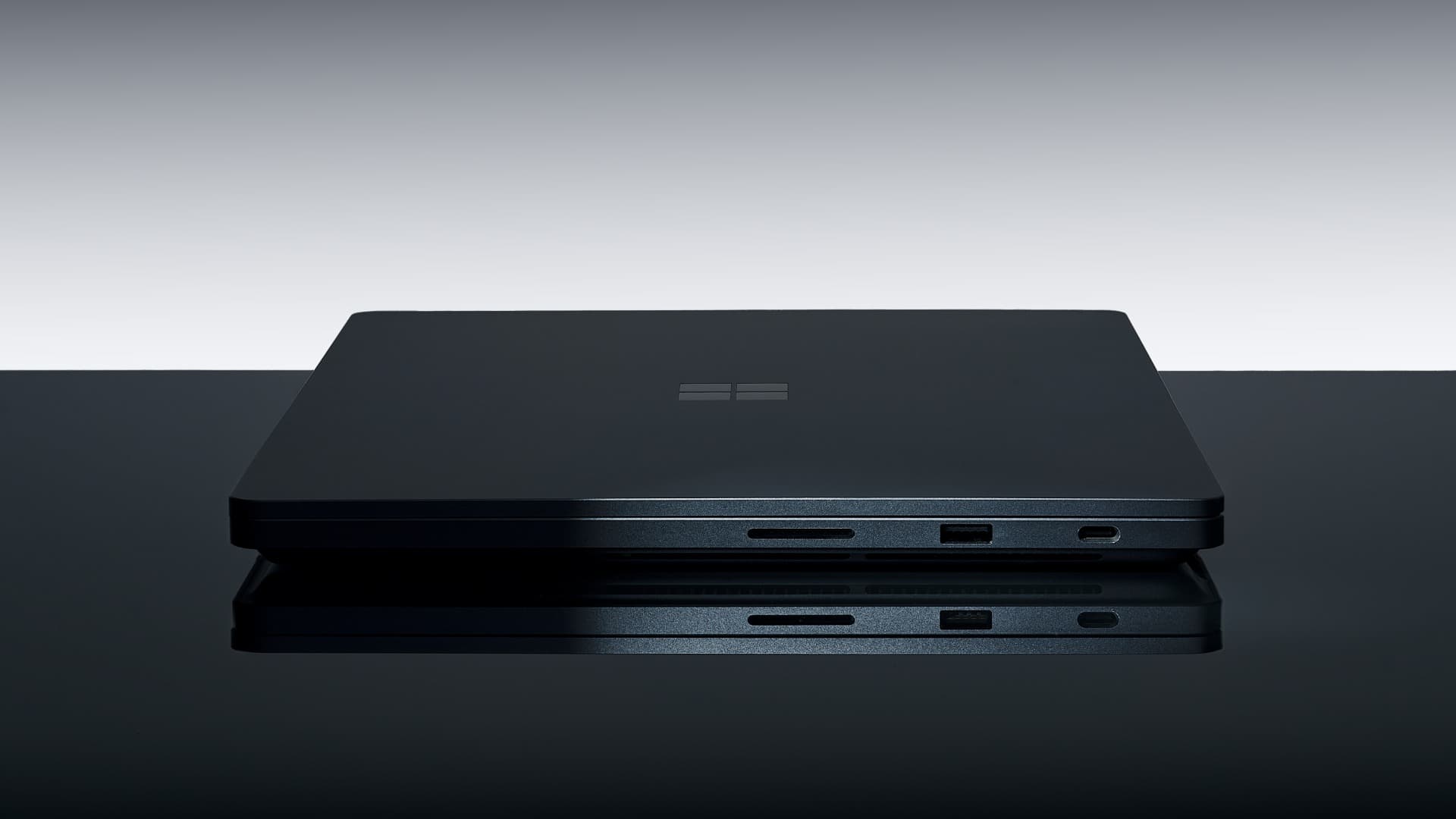
Magnetic USB-C charging and the full port list
The headline design feature is what Microsoft calls Magnetic Connect, which it bills as the world's first built-in magnetic USB-C charging on a laptop. The included cable snaps onto the right-hand USB-C port with magnets and pulls away if someone trips over it, a bit like Apple's MagSafe. Unlike MagSafe, the port is still a normal USB-C port, so it works for video, data and other accessories too.
In total you get three USB-C ports with USB4 (40Gbps, 140W charging and DisplayPort 2.1 for up to three 4K monitors at 60Hz), HDMI 2.1b, USB-A, a full-size SD card reader and a 3.5mm headphone jack. That is more than most premium laptops offer, and it means creators can pull footage straight off a camera card without an adapter.
Surface RTX Spark Dev Box: price, specs and shipping
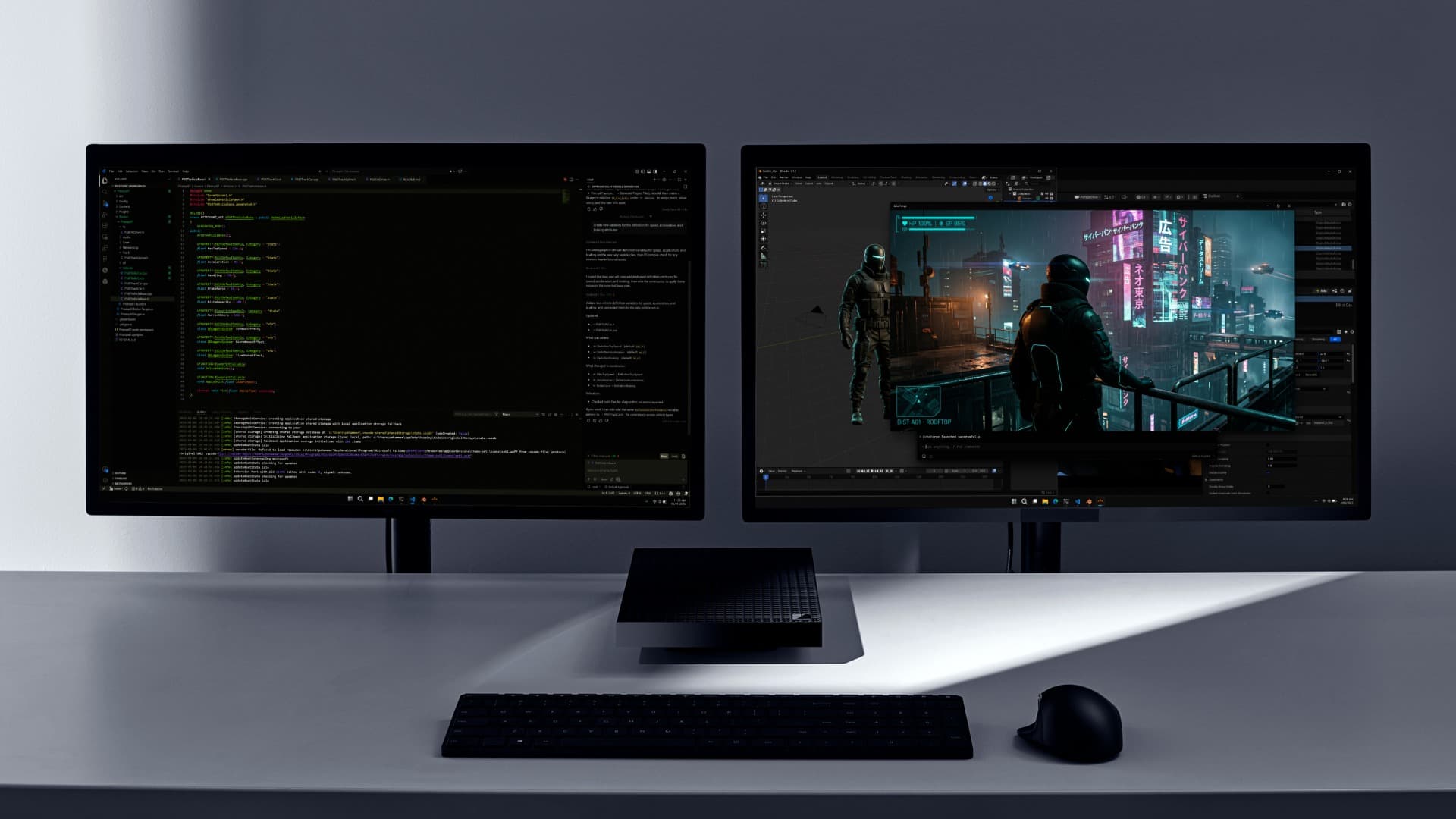
The second Surface device is a flat, black desktop box for people who build AI software. Surface RTX Spark Dev Box costs $5,999.99 on Microsoft.com ($5,999 MSRP in Microsoft's announcement), is sold only in the US and only on Microsoft.com, and ships in November. There is one configuration: the 20-core RTX Spark with the 6,144-core graphics chip, 128GB of shared memory and a 2TB removable SSD.
Its 3D-printed aluminum body doubles as the heatsink, with 1,000 air vents in the grid on top (a nod to its 1,000 teraflops, Microsoft says) and a 100W thermal limit. Ports are two USB-C, HDMI 2.1b, USB-A, Ethernet and a headphone jack, plus Wi-Fi 7 and Bluetooth 5.4. It measures 326.5 x 172 x 42.9mm, weighs just under 2kg and comes with a 165W power supply. You bring your own monitor and keyboard.
It is one of Microsoft's Project Zenith devices, so it ships with a version of Windows 11 Pro set up for coding: Visual Studio Code, GitHub Copilot CLI, WSL with Ubuntu 24.04, PowerShell 7, Git, GitHub CLI, Azure CLI, Python 3.14, Node.js 24, .NET 10 and PowerToys come preinstalled. The Verge notes it costs more than NVIDIA's own DGX Spark mini PC, which launched last year, as RAM shortages push PC prices up.
Other RTX Spark laptops you can pre-order
Surface is not the only RTX Spark laptop. Microsoft says these Windows PCs with NVIDIA RTX Spark are also up for pre-order from October 7 and begin shipping October 16: the ASUS ProArt P16 and ProArt P14, the Dell XPS 16 Creator Edition (the first XPS with RTX Spark), the HP OmniBook Ultra 16, the Lenovo Yoga 9n 2-in-1 and the MSI Prestige N16 Flip AI+. Microsoft's announcement did not include their prices, so check each maker's store.
Microsoft and NVIDIA's own testing claims RTX Spark Windows PCs are up to 2.1 times faster to start answering a local AI prompt, 4.3 times faster at AI image generation and 6.2 times faster at AI video generation than a 16-inch MacBook Pro with M5 Pro and 64GB of memory. These are company benchmarks on pre-production machines, so wait for independent reviews before taking them at face value. RTX Spark mini desktops and other dev boxes are due later this year.
Windows 11: a sandbox for AI agents
Davuluri pitched Windows as "the most secure platform for agents", meaning AI tools that can run on their own, use apps, write code and touch your files. The main piece is Microsoft Execution Containers (MXC), which is now generally available on Windows 11. It is a sandbox that limits which files and networks an agent can reach, with the rules enforced while the agent runs. On a personal PC, Microsoft says those protections are built into the agent experience. Windows will also mark which agent did what, so IT teams can tell agent activity apart from the person using the PC, and plug that into Microsoft Agent 365 and Intune.
Microsoft says OpenAI's Codex, GitHub Copilot, OpenClaw, Replit, LM Studio, NVIDIA's OpenShell and Unsloth AI already support MXC, with Anthropic's Claude Code, Box, Hermes Agent, Manus, Perplexity, Raycast and others coming. It also announced Muse for Windows, a native app version of Meta's personal AI agent with MXC built in, "coming soon". For always-on mini PCs, Microsoft promised a few-click setup for popular agents, starting with a native Windows gateway for OpenClaw.
Hybrid intelligence: AI that runs on your own PC
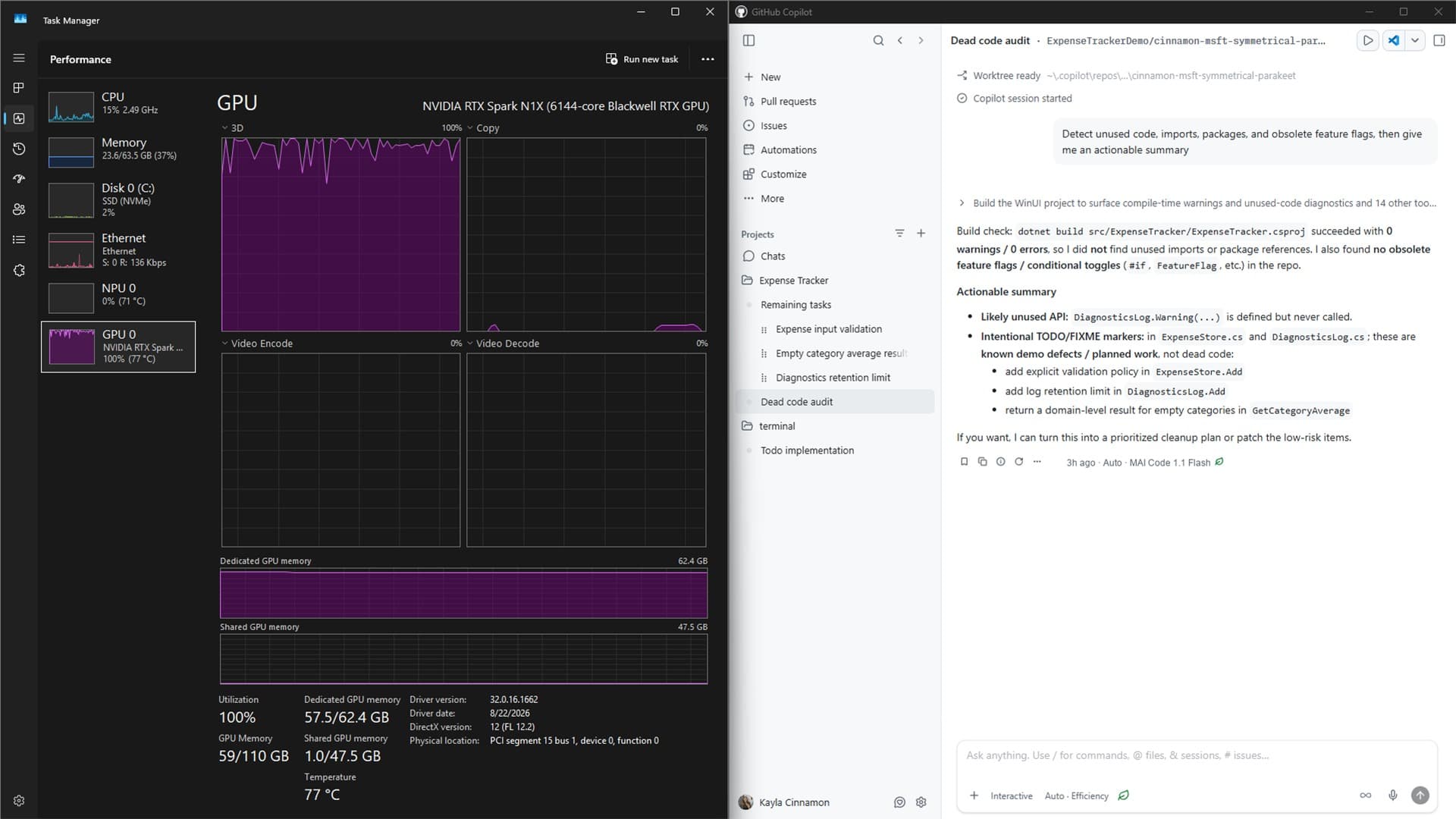
Microsoft's big theme was what it calls hybrid intelligence: sending each AI task either to a model running on your PC or to the cloud, whichever makes sense, so you spend fewer paid cloud tokens. To make that work it is bringing large models to local hardware. MAI Code 1.1 Flash, Microsoft's coding model (137 billion parameters in total, 6.8 billion active at a time), now runs on-device in a compressed 3-bit form that is nearly 80% smaller, with a 256,000-token context window. An upcoming NVIDIA Nemotron model with more than 70 billion parameters is squeezed into just over 20GB of memory, and DeepSeek V4 Flash, a 284-billion-parameter model, will run locally on RTX Spark too.
GitHub's HydraFusion, which already picks the right cloud model for each task, will be able to use those local models on Windows. It arrives as an experimental preview in the GitHub Copilot app, GitHub Copilot CLI and Visual Studio Code later in October (Tom's Hardware reported October 15 from the keynote; Microsoft's blog only says later in October). Developers also get llama.cpp support in Windows ML, Microsoft's system for running AI models across the graphics chip, NPU and processor.
Copilot gets local files, actions and models
The new Copilot app, built around three modes called Home, Code and Autopilot, is getting three local abilities on Copilot+ PCs. With your permission, it can read relevant files and recent activity on your PC, take actions in Windows such as organizing files or troubleshooting, and use AI models running on your own machine. On stage, Microsoft's Jacob Andreou showed Copilot finding tax documents, renaming them, zipping them and drafting an email to his accountant, which he approved before it was sent, according to Tom's Hardware. Microsoft says these features start rolling out to Copilot+ PCs "in the coming months", with no firm date.
Windows Search can now do things, not just find them
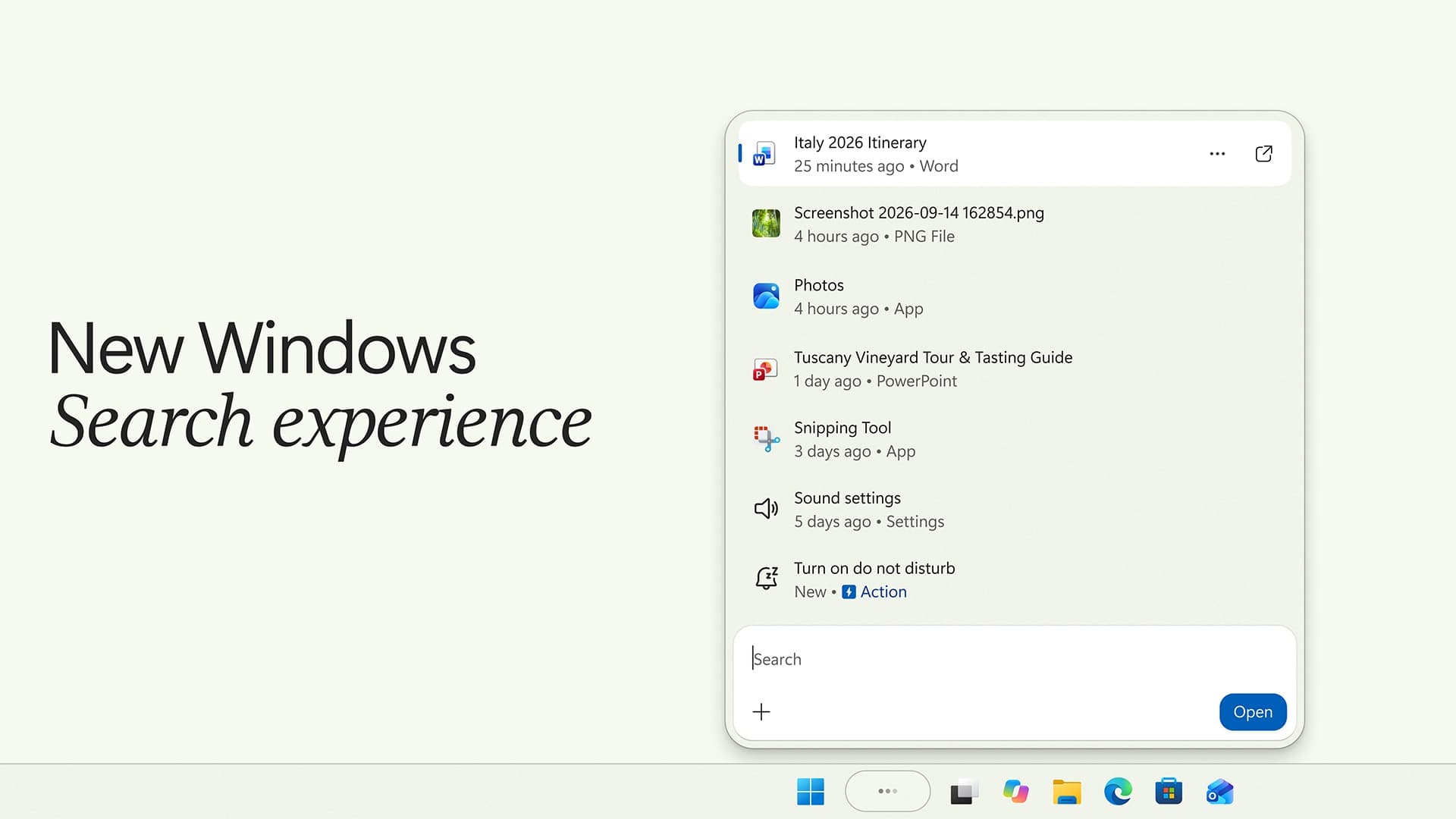
The search box on the taskbar is getting what Microsoft calls thousands of actions. Instead of opening Settings, you can type requests such as "switch to dark mode", "turn on Do Not Disturb", "dim my screen", "arrange my windows" or "Text Elisa I'll be there soon". These actions start rolling out to Windows Insiders in the experimental channel from October 7. Microsoft will also add an opt-in option to bring the new Copilot into Search for quick inline answers, starting in select markets later this year.
DGX Station for Windows: a deskside AI supercomputer
At the very top end, NVIDIA's DGX Station is coming to Windows later this year. It uses NVIDIA's GB300 Grace Blackwell Ultra Desktop Superchip with up to 748GB of memory and 20 petaflops of AI compute, enough to run models of up to about a trillion parameters, such as Kimi K2.6 and DeepSeek V4 Pro, on a desk, according to Microsoft. It is aimed at research labs and companies that want to serve 32 or more AI agents for a team from one machine. The first Windows models announced are the Dell Pro Precision with GB300 and the HP ZGX Fury AI Station, both due later this year with no prices yet. Tom's Hardware notes that until now these machines ran Linux only.
Gaming on RTX Spark: Gears of War and Call of Duty
Microsoft used Gears of War: E-Day to show off gaming on RTX Spark, and Tom's Hardware reports it ran at 60 frames per second on Surface Laptop Ultra during the keynote. Gears will be the first game with expanded support for Advanced Shader Delivery, which Microsoft says cuts first-launch shader compiling from minutes to seconds and reduces stutter. Fortnite, Alan Wake 2 and the new World of Warcraft: Forever already run on Arm-based Windows PCs, with League of Legends, Valorant, PUBG: Battlegrounds and Genshin Impact coming soon. The biggest gaming news: Call of Duty is coming to RTX Spark in 2027.
What Microsoft did not announce
There was no Windows 12 and no new Surface Pro (Microsoft refreshed the 12-inch Surface Pro and 13-inch Surface Laptop in September). Several of the AI features are also not here yet: the Copilot upgrades are "coming months", Copilot in Search arrives later this year in select markets, Muse for Windows is "coming soon", and DGX Station PCs, RTX Spark mini desktops and the Dev Box ship later in the year. The Surface Laptop Ultra, the partner RTX Spark laptops, the new Search actions for Insiders and Microsoft Execution Containers are the parts that are real today.
Should you pre-order Surface Laptop Ultra?
Surface Laptop Ultra is not a general-purpose laptop. At $2,599.99 and up it is aimed at developers, 3D artists, video editors and people who want to run big AI models on their own machine, and for them the combination of up to 128GB of shared memory, a very bright 15-inch screen and a full set of ports is unusual on Windows. If you mostly browse, write and stream, a regular Surface Laptop or a Copilot+ PC costs far less. RTX Spark is also a brand-new Arm chip, so app and game compatibility, real-world battery life and Microsoft's speed claims all need independent testing. The safest move is to wait for the first reviews, which should arrive around the October 16 launch, before committing. If you trade in a MacBook Pro in the US or Canada, Microsoft's up to $1,000 cash back offer runs until November 23.
Frequently asked questions
How much does Surface Laptop Ultra cost?
Surface Laptop Ultra starts at $2,599.99 in the US with an 18-core RTX Spark chip, 24GB of memory and 512GB of storage. Reported prices for higher models are $3,699.99 for the 20-core chip with 32GB and 1TB, up to $5,899.99 with 128GB and 1TB. Starting prices elsewhere: CA$3,899.99, £2,599, €2,899 (Germany, France), AU$4,399 and ¥513,480 (checked October 7, 2026, 19:10 UTC).
When is the Surface Laptop Ultra release date?
Pre-orders opened on October 7, 2026, and Microsoft says Surface Laptop Ultra is available from October 16, 2026, through Microsoft.com and select retailers worldwide.
What chip is in Surface Laptop Ultra?
NVIDIA's RTX Spark N1X, which combines an NVIDIA Grace CPU (18 or 20 cores) with a Blackwell RTX GPU (5,120 or 6,144 cores) and up to 128GB of shared memory. It is an Arm-based chip.
How much is the Surface RTX Spark Dev Box?
$5,999.99 on Microsoft.com ($5,999 MSRP). It comes in one configuration with a 20-core RTX Spark, 128GB of memory and a 2TB SSD, is sold only in the US on Microsoft.com, and ships in November 2026.
What is Magnetic Connect on Surface Laptop Ultra?
It is magnetic charging built into a standard USB-C port. The included cable snaps on with magnets and breaks away if pulled, but the port still works as a normal USB-C port for data, video and accessories.
What is the battery life of Surface Laptop Ultra?
Microsoft rates its 92Wh battery at up to 15 hours of local video playback or up to 12 hours of active web browsing, based on its own tests of a 20-core, 64GB model. Real-world battery life will vary.
What Windows 11 AI features did Microsoft announce?
Microsoft Execution Containers, a sandbox for AI agents, is generally available now. Thousands of actions in Windows Search are rolling out to Insiders. Copilot will gain access to local files, actions and on-device models on Copilot+ PCs in the coming months, local coding models arrive in GitHub Copilot as a preview later in October, and Meta's Muse agent is coming to Windows soon.
Is Windows 12 coming?
Microsoft did not announce Windows 12 at its October 7, 2026 event. All the new features are coming to Windows 11.