2027's memory is already sold out — waiting just got more expensive

/ DigiTimes reports Samsung, SK Hynix, and Micron have booked all 2027 DRAM and HBM capacity. NAND may follow by end of August. Here's what the sellout means for phones, laptops, and whether you should still buy now.
by Hozefa Khety
· 8 min read
In July we told you the memory storm was not passing. DigiTimes reporting this week makes that look polite. Samsung, SK Hynix, and Micron — the three companies that make nearly all of the world's DRAM and high-bandwidth memory — have reportedly sold out their entire 2027 production calendars. Not Q1. Not the first half. The year. There is no spare DRAM or HBM wafer left to book for next year, and the buyers who missed the window are already being told there is nothing left to negotiate.
That is not a price-spike story anymore. It is a rationing story. And if you were hoping 2027 would be the year RAM kits, SSDs, phones, and laptops got cheaper again, the supply chain just answered: no.
What "sold out through 2027" actually means
July and August are the traditional months when phone makers, PC OEMs, and cloud buyers lock memory for the following year. DigiTimes, citing industry insiders, says that process finished early — and finished empty. Every DRAM and HBM unit the big three plan to manufacture in 2027 is already allocated under long-term agreements that can stretch three to five years. Some of those deals require advance deposits; in tighter cases, full cash prepayment just to keep a place in line.
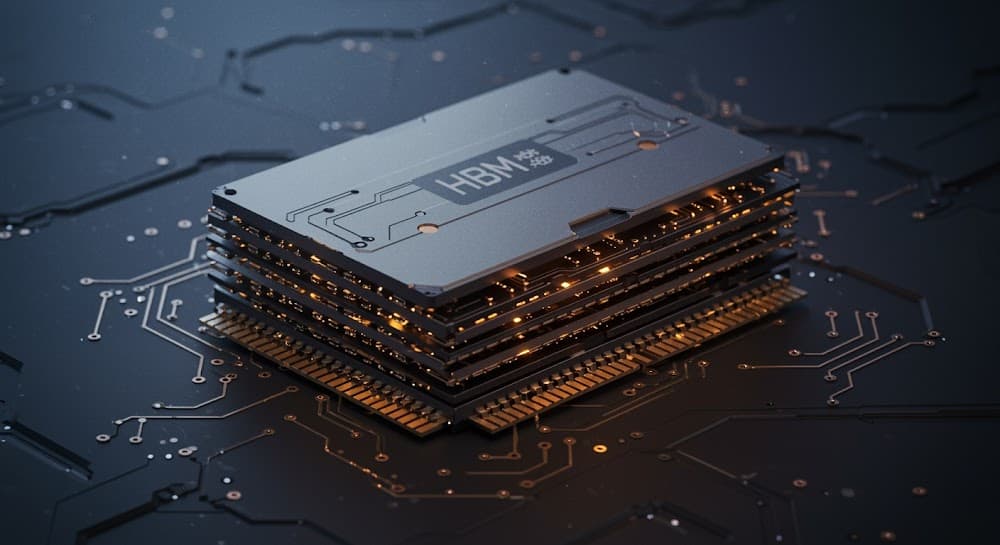
Buyers who still need more are not getting a polite waitlist. Reports put typical allocations at roughly 60–70% of what customers originally asked for. Hyperscalers hunting HBM have been described as "begging" for supply and paying up to get it. Chinese DRAM maker CXMT's capacity is also widely reported as booked through 2027 — so this is not just a Samsung–Hynix–Micron clubhouse problem. The secondary door is closed too.
NAND flash — the stuff in SSDs and phone storage — is still slightly looser. DigiTimes says 2027 NAND allocation is not fully closed yet, but expects it to be spoken for by the end of August 2026. In other words: storage has maybe three weeks before it joins the same sold-out ledger.
SK Hynix already called 2027 the worst year on record
The DigiTimes sellout is the confirmation. The warning shot came earlier. In July, SK Hynix CEO Kwak Noh-jung told Reuters that 2027 would be "the worst year in the industry's history from the supply perspective," and that customer demand would still outrun the company's capacity beyond 2030 even with aggressive expansion. Micron's Sanjay Mehrotra has said the company has no clear line of sight on when supply catches demand. AMD's David McAfee and Intel's Lip-Bu Tan have both pointed to 2028 before any real normalization.
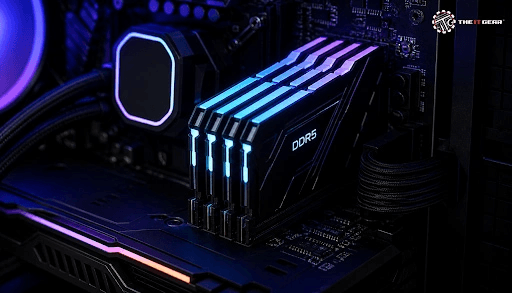
The math underneath that warning is blunt. Industry estimates put wafer supply growth around 12% a year into 2027–2028 — and roughly half of that growth gets eaten by HBM for AI accelerators. Non-HBM DRAM bit growth lands near 15%, while demand is forecast closer to 22%. The gap is the consumer market: the DDR5 in desktops, the LPDDR in phones, the modules that used to be the cheap, easy upgrade.
Why AI still wins every wafer argument
Nothing about this is mysterious. HBM stacked beside Nvidia-class GPUs prints far better margins per wafer than commodity DDR5 or phone LPDDR. Samsung's own Q2 results made the corporate version of that trade-off visible: record chip profits on AI memory, and an operating loss in the phone-and-TV business that has to buy that memory back at the new price. Cloud and AI buyers sign multi-year take-or-pay deals. Phone and PC OEMs show up every summer hoping the calendar still has white space. This year it did not.
Apple's escape hatch just failed
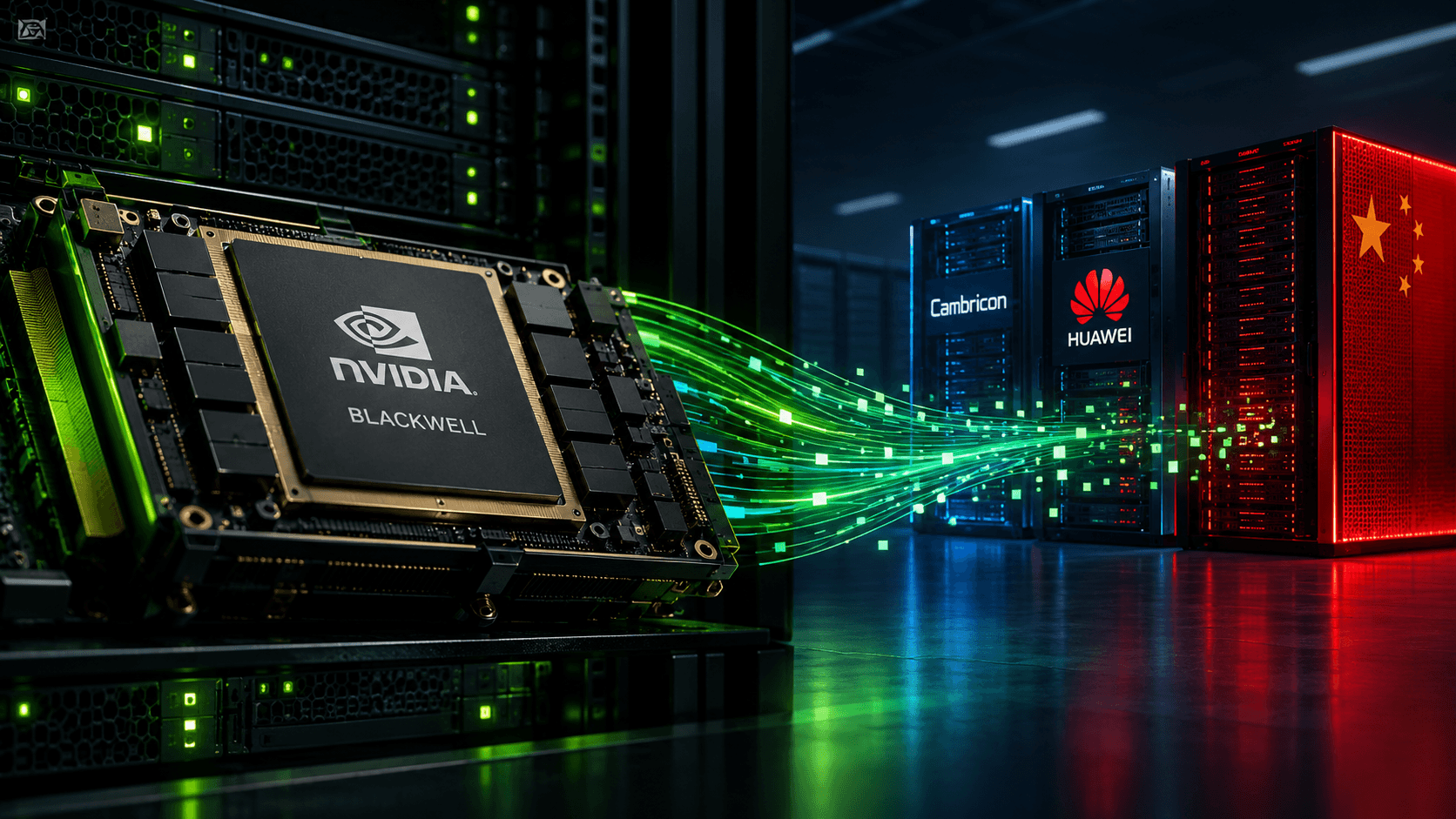
One of the few remaining theoretical outs for big consumer brands was qualifying a fourth DRAM supplier — China's CXMT — to dilute dependence on the Korean–US trio. Reporting this week says Apple's push collapsed: CXMT quoted at or above what Samsung and SK Hynix already charge, with domestic Chinese OEMs already locking CXMT into high-price long-term deals. Export rules and politics make a clean Western rescue even less likely. If Apple cannot pry open spare capacity, mid-tier laptop and phone brands are not about to find a secret warehouse.
What this means for phones, laptops, and PC builds
DigiTimes is explicit: DRAM available for PCs, laptops, and smartphones in 2027 will be "significantly reduced" versus 2026. That does not always show up as a clean $100 sticker jump. It shows up as 12GB where 16GB used to be standard, 256GB base storage with no cheap 128GB tier, fewer free storage bumps, soldered RAM you cannot upgrade later, and OEMs quietly shipping less memory for more money. Google has already said on the record that memory costs are rewriting Pixel pricing. Expect that logic to spread, not reverse.
For DIY builders the aftermarket is the cruelest surface. Spot DRAM and retail SSDs move faster than contract ASPs, and they have already multiplied. If OEM allocations shrink further in 2027, loose kits and drives do not get cheaper leftovers — they get the scraps hyperscalers did not take. Consoles, GPUs (VRAM is memory too), mini-PCs, and anything with onboard storage stay in the blast radius.
Buy now or wait? The August update
Our July verdict was: if you need RAM, an SSD, a laptop, or a higher storage phone tier, buy now — waiting through 2026 was more likely to cost you than save you. The 2027 sellout does not soften that. It hardens it. Relief forecasts that once pointed vaguely at late 2027 now have to clear a year whose entire DRAM/HBM calendar is already spoken for. The optimistic analyst window is increasingly "sometime in 2028," and even then the likely landing is a higher new normal, not a return to 2024 prices.
Practical rules, updated:
If you need parts — DDR5 kits, an SSD — buy what you will actually use, soon. Do not panic-hoard, but do not schedule a "maybe next spring" upgrade that depends on prices falling. They are not being manufactured for you next year in the volumes you hope.
If you need a laptop or prebuilt, pull the purchase forward and max memory and storage at checkout. Upgrading later means paying the aftermarket at peak scarcity, and thin designs often solder the RAM anyway.
If you need a phone, favor the storage tier you will keep for years. Base configs are where OEMs hide the shortage. Existing inventory at today's price still beats betting that the next launch cycle will be kinder.
Who can still wait? Anyone whose current device is fine and who has no real need. There is no prize for buying into a peak you can avoid — just do not mistake "I can wait" for "prices are about to break." The fab calendar says otherwise.
The bottom line
A year ago, memory was a cyclical commodity that dipped when PCs softened. In 2026 it became a tax. In 2027, on current reporting, it is a rationed industrial input — prepaid, contracted, and largely reserved for whoever builds AI infrastructure. Consumer electronics will still ship. They will just ship with less generous specs, higher stickers, and fewer second chances to upgrade cheaply later. The memory shortage did not get a sequel. It got a locked calendar.
Frequently asked questions
Is DRAM and HBM really sold out for all of 2027?
According to DigiTimes reporting in early August 2026, citing industry insiders, Samsung, SK Hynix, and Micron have allocated their entire planned 2027 DRAM and HBM production under long-term agreements. That means no meaningful spare capacity remains for new buyers. Treat it as well-sourced industry reporting, not a company press release — but it lines up with SK Hynix's CEO warning that 2027 would be the worst supply year on record.
What about SSD and NAND prices — are those sold out too?
Not completely yet. DigiTimes says 2027 NAND capacity is still being allocated but is expected to be fully booked by the end of August 2026. NAND has been tighter and more expensive through 2026 already; the sellout risk is that storage joins DRAM on the same closed calendar within weeks.
Will phones and laptops get even more expensive in 2027?
Pressure points that way. With DRAM supply for consumer devices expected to shrink versus 2026, OEMs typically respond with higher list prices, lower base RAM, stingier storage tiers, and fewer free upgrades. Google has already tied Pixel price increases to memory costs in 2026. A looser 2027 would have been the relief scenario — and that scenario is what just got booked away.
Should I buy RAM, a laptop, or a phone now or wait for 2027?
If you genuinely need it, buy on the current cycle. Waiting for 2027 hoping for cheaper memory is betting against a year whose DRAM/HBM output is already spoken for. For laptops and PCs, configure memory and storage up front. For phones, pay for the storage tier you will keep. Only wait if your current device is fine and you have no real need.
When will memory prices come back down?
Most credible signals now point to 2028 at the earliest for any real easing — and SK Hynix's CEO has said demand may still exceed capacity beyond 2030. New fabs help, but much of the wafer growth is already earmarked for HBM. Even when prices soften, expect a higher floor than the mid-2020s, not a full reset to 2024 levels.