Apple's blockbuster week: world's most valuable again — and at war with OpenAI
/ In one week Apple briefly overtook Nvidia on its march toward $5 trillion, then sued OpenAI for allegedly stealing the hardware secrets behind the iPhone. Inside the market-cap flip, the wildest allegations in the complaint, and how two partners became rivals.
by Hozefa Khety
· 7 min read
Apple just had the kind of week most companies only dream about — and picked a fight it may spend years litigating. On Friday, July 17, Apple briefly overtook Nvidia to reclaim the title of the world's most valuable company, touching roughly $4.88 trillion before Nvidia edged back ahead by the close. Days earlier, on July 10, Apple had walked into federal court in Northern California and accused OpenAI — its own AI partner — of systematically stealing the hardware secrets behind the iPhone. Dominance and a declaration of war, inside the same seven days.
The two stories are not as separate as they look. Apple's market value is climbing precisely because investors are rethinking the AI trade, rotating out of the chipmakers that led the boom and back toward the company with the world's most profitable hardware franchise. And the lawsuit is Apple signalling, in the bluntest possible terms, that it intends to defend that franchise as OpenAI tries to build hardware of its own. Here's what happened, and why it matters.
The market-cap flip: Apple overtakes Nvidia
For most of the past two years, the most valuable company on earth has been a chipmaker. Nvidia rode the AI buildout to a $5 trillion valuation and became the market's undisputed bellwether. That reign wobbled on Friday. Nvidia shares slipped about 3.9% at the open on renewed questions about AI valuations, dropping its market cap to around $4.82 trillion, while Apple held steady at roughly $4.88 trillion — enough to briefly pass Nvidia before the two reversed and Nvidia closed narrowly on top. Neither has crossed $5 trillion in this round, but the trajectory is unmistakable: Apple is barrelling toward it.
The gap in momentum tells the story. Apple stock is up nearly 23% in 2026, far ahead of the Nasdaq, while Nvidia has managed just 7.3%. After a stretch in which the market rewarded anything with 'AI accelerator' attached to it, the rotation has turned: capital is flowing back toward Apple's steadier, cash-rich model and away from the semiconductor names whose valuations now assume the buildout never slows. Apple didn't have to launch a blockbuster product to reclaim the crown. It just had to look like the safer bet while the AI-chip trade cooled.
The lawsuit: Apple accuses OpenAI of stealing its hardware playbook
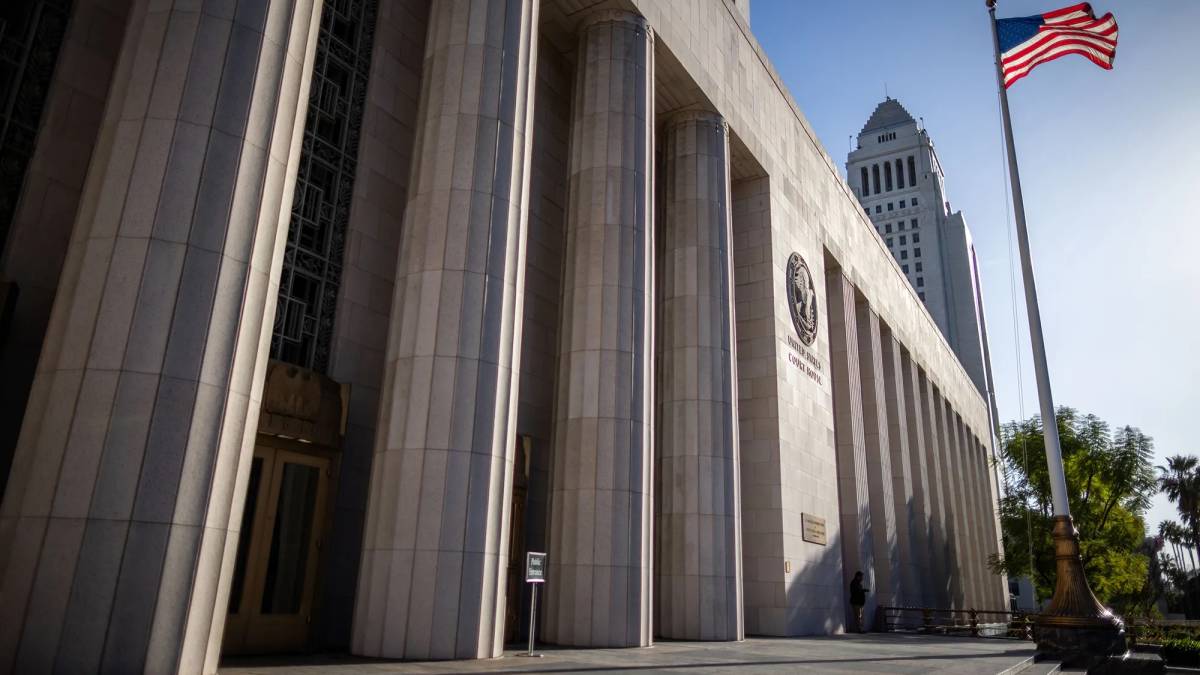
The bigger story of the week — the one with a decade of consequences in it — is the complaint Apple filed on July 10. In it, Apple accuses OpenAI of trade-secret theft carried out, in Apple's words, 'at every level, from members of its Technical Staff to its Chief Hardware Officer, and in coordination with business partners.' The alleged goal: to short-cut OpenAI's push into consumer hardware by lifting the intellectual property Apple spent years and billions developing. This is not a patent squabble over one feature. Apple is describing what it frames as a coordinated scheme to copy how Apple designs and builds devices.
The allegations, in detail
The specifics are startling. Apple alleges that OpenAI's hardware chief, Tang Tan — himself a former Apple vice president — directed Apple employees interviewing at OpenAI to bring 'actual parts' from Apple to their interviews for 'show and tell' sessions, and that OpenAI coached departing Apple staff on how to evade the company's security processes on their way out the door. It's an accusation not just of theft but of a repeatable method for extracting it.
Apple names names. It says Chang Liu, a senior systems electrical engineer who spent eight years at the company, failed to return his Apple-issued laptop after leaving for OpenAI in 2026 and had used it to download confidential technical documents — including material on unannounced technologies, features, and products. Apple further alleges that OpenAI asked hardware partners to perform a metal-finishing technique Apple invented, while 'misleading the partner to believe they had Apple's permission to do so.' Each claim is, for now, an allegation; OpenAI has not conceded any of them, and the case has years to run.
How two partners became rivals
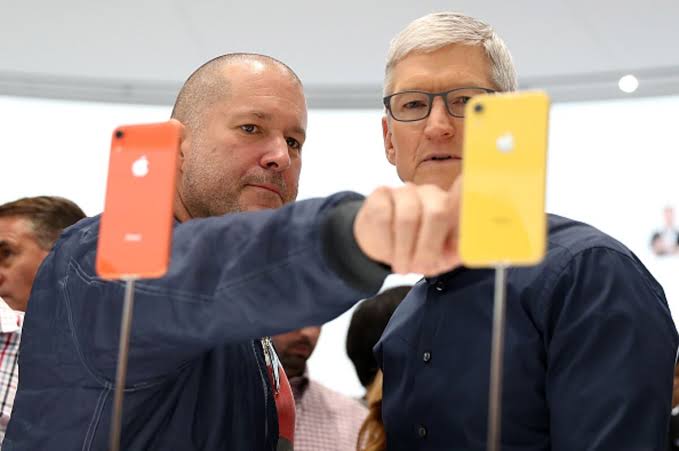
The whiplash here is the backstory. In 2024, Apple and OpenAI announced a marquee partnership that baked ChatGPT into the iPhone's operating system — the kind of deal that signals two companies expect to grow together. Relations chilled once OpenAI made clear it wanted to build hardware, not just models. The turning point was OpenAI's acquisition of io Products, the startup founded by legendary former Apple designer Jony Ive, in a deal valued at about $6.4 billion. Buying Ive's outfit put OpenAI on a direct collision course with the company Ive helped define — and, Apple now argues, gave it every incentive to raid Apple's hardware know-how.
And then the founders started fighting
As the complaint went public, the feud spilled onto social media in the most 2026 way possible: Elon Musk and Sam Altman spent the weekend trading shots on X over the case. The sniping is its own signal. OpenAI is now fighting on multiple fronts at once — courtroom battles, a founder rivalry that never really cooled, and an industry full of former allies who have become competitors. Apple's suit lands in the middle of all of it.
Why it matters
Strip away the drama and the week says something clear about where the AI era is heading. The value is migrating from the models to the devices and the companies that can ship them at scale — which is exactly why OpenAI wants into hardware and exactly why Apple is fighting to keep it out. The market-cap flip and the lawsuit are two expressions of the same bet: that in the long run, owning the thing in your pocket beats owning the model that runs in a data center. Apple is defending the most valuable moat in consumer technology, and it has chosen to do so in public and in court.
What to watch next
Three threads from here. First, the courtroom: OpenAI's response and any early rulings will show how much of Apple's sweeping narrative survives contact with a judge. Second, the product: whatever device io and OpenAI are building — and how carefully it is now engineered to look nothing like an Apple design. Third, the tape: whether Apple actually crosses $5 trillion, and whether the rotation out of AI-chip names is a blip or the start of a longer repricing. However Apple's blockbuster week is remembered, it marked the moment its partnership with OpenAI curdled into rivalry — and the moment the market started treating the iPhone maker, not the chipmaker, as the safest way to own the AI boom.
Frequently asked questions
Did Apple become the world's most valuable company in July 2026?
Briefly. On Friday, July 17, 2026, Apple overtook Nvidia to reclaim the title, reaching about $4.88 trillion after Nvidia shares slipped roughly 3.9%. The two then reversed and Nvidia closed narrowly ahead. Neither company has crossed a $5 trillion market cap in this round, but Apple — up nearly 23% in 2026 versus Nvidia's 7.3% — is closing in on it.
Why is Apple suing OpenAI?
Apple filed a lawsuit on July 10, 2026, in federal court in Northern California accusing OpenAI of trade-secret theft to accelerate its move into consumer hardware. Apple alleges the misconduct ran 'at every level, from members of its Technical Staff to its Chief Hardware Officer, and in coordination with business partners.'
What are the main allegations in Apple's lawsuit against OpenAI?
Apple alleges that OpenAI hardware chief Tang Tan, a former Apple VP, told job candidates still at Apple to bring 'actual parts' to interviews for 'show and tell'; that OpenAI coached departing staff to evade Apple's exit security; that former engineer Chang Liu kept an Apple laptop and downloaded confidential documents on unannounced products; and that OpenAI had partners replicate an Apple-invented metal-finishing technique while misleading them about permission. These are allegations Apple must still prove in court.
Weren't Apple and OpenAI partners?
Yes. In 2024 the two announced a high-profile deal integrating ChatGPT into the iPhone's operating system. Relations soured after OpenAI moved into hardware, most notably by acquiring former Apple designer Jony Ive's startup io Products for about $6.4 billion — putting the two companies in direct competition on devices.
What is io Products and why does it matter here?
io Products is the hardware startup founded by ex-Apple design chief Jony Ive, which OpenAI bought for roughly $6.4 billion. The acquisition signalled OpenAI's ambition to build its own AI device and is central to the rivalry: Apple argues OpenAI had strong incentives to acquire Apple's hardware know-how as it races to ship a competing product.
What happens next in the Apple–OpenAI case?
The case is early and could take years. Watch for OpenAI's formal response and any early rulings, the eventual reveal of the io/OpenAI device, and whether Apple's broad 'at every level' narrative holds up under scrutiny. On the market side, watch whether Apple crosses $5 trillion and whether investors keep rotating out of AI-chip stocks.