Samsung Odyssey G6 1,100Hz: price, specs, release date
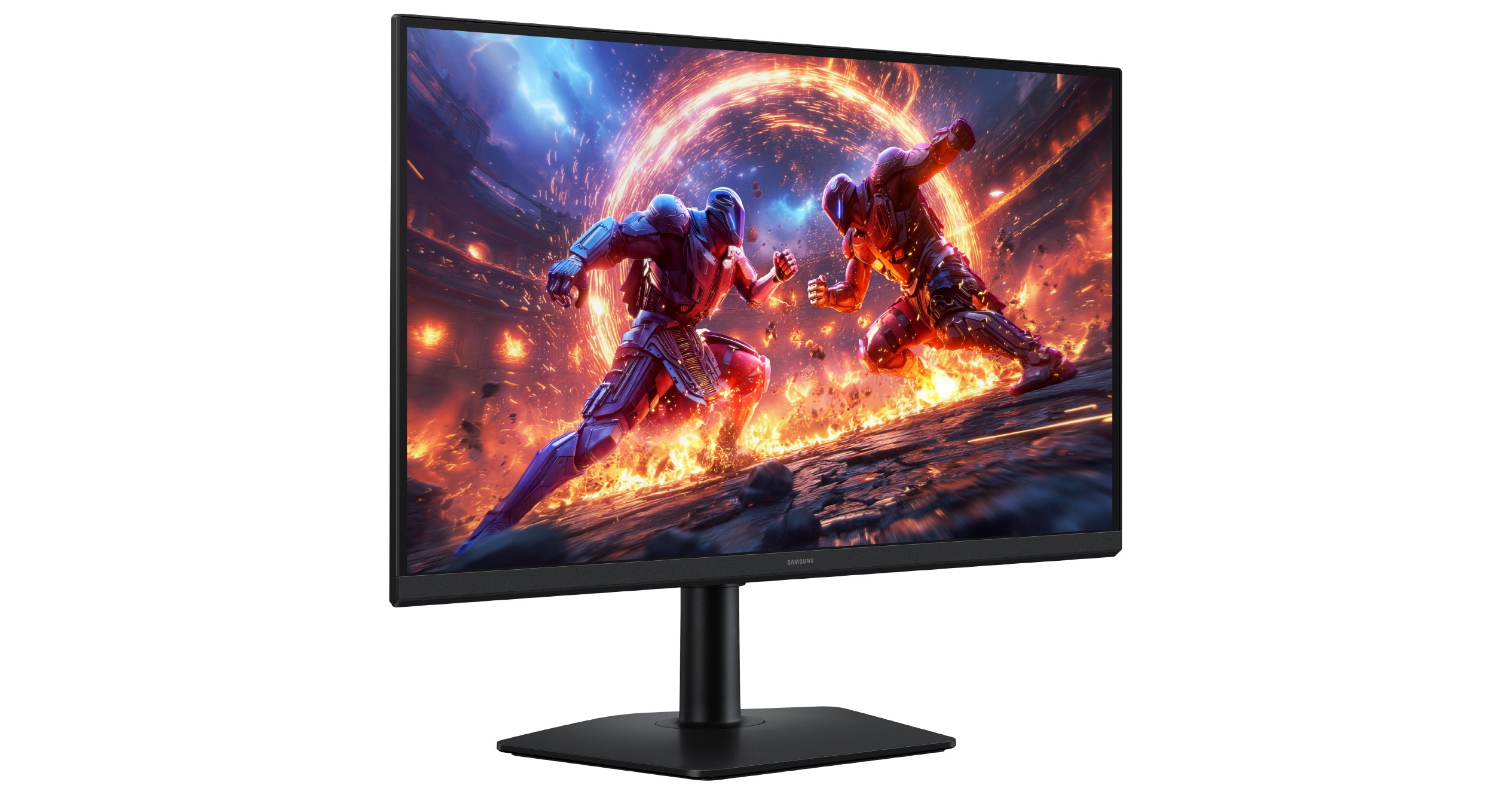
/ Samsung's Odyssey G6 is the first 1,100Hz gaming monitor: $899.99 in the US from December, 600Hz at QHD. Specs, the HD-only catch and how it compares to LG.
by Hozefa Khety
· 6 min read
Samsung has launched the Odyssey G6 (model G60H), which it calls the world's first gaming monitor that can refresh at up to 1,100Hz. That means the screen can draw up to 1,100 new images every second, compared with 60 on a basic office monitor and 144 to 240 on most gaming screens. In the US it costs $899.99 and goes on sale at retailers nationwide from December.
There is a catch, and it matters for anyone thinking of buying one. The 1,100Hz figure only applies when the monitor runs at a low HD resolution. At its full, sharp 2,560 x 1,440 (QHD) resolution, the top speed is 600Hz. Here is what the Odyssey G6 does, what it costs, what your PC needs to drive it, and how it compares with LG's 1,000Hz rival. The price and dates were checked against Samsung's own announcements at 02:58 IST on November 24, 2026 (21:28 UTC, November 23).
Odyssey G6 price and release date
Samsung announced the monitor on November 23, 2026, in Korea and the US. Samsung Electronics America says the 27-inch Odyssey G6 will roll out at US retailers nationwide beginning in December, priced at $899.99. Samsung has not given an exact December date, and it has not named the stores.
Outside the US, Samsung says availability, pricing and launch timing vary by market, and it has not published prices for Europe, the UK, India or other regions yet. Tom's Hardware reported in August that Samsung planned global availability in the second half of 2026, so more countries should follow, but no other local prices were announced when we checked.
The monitor has been a long time coming. Samsung first showed it at CES in January 2026 with a 1,040Hz figure, then confirmed the final 1,100Hz specification at Gamescom in August, according to Tom's Hardware. The Verge notes it was first teased in December 2025.
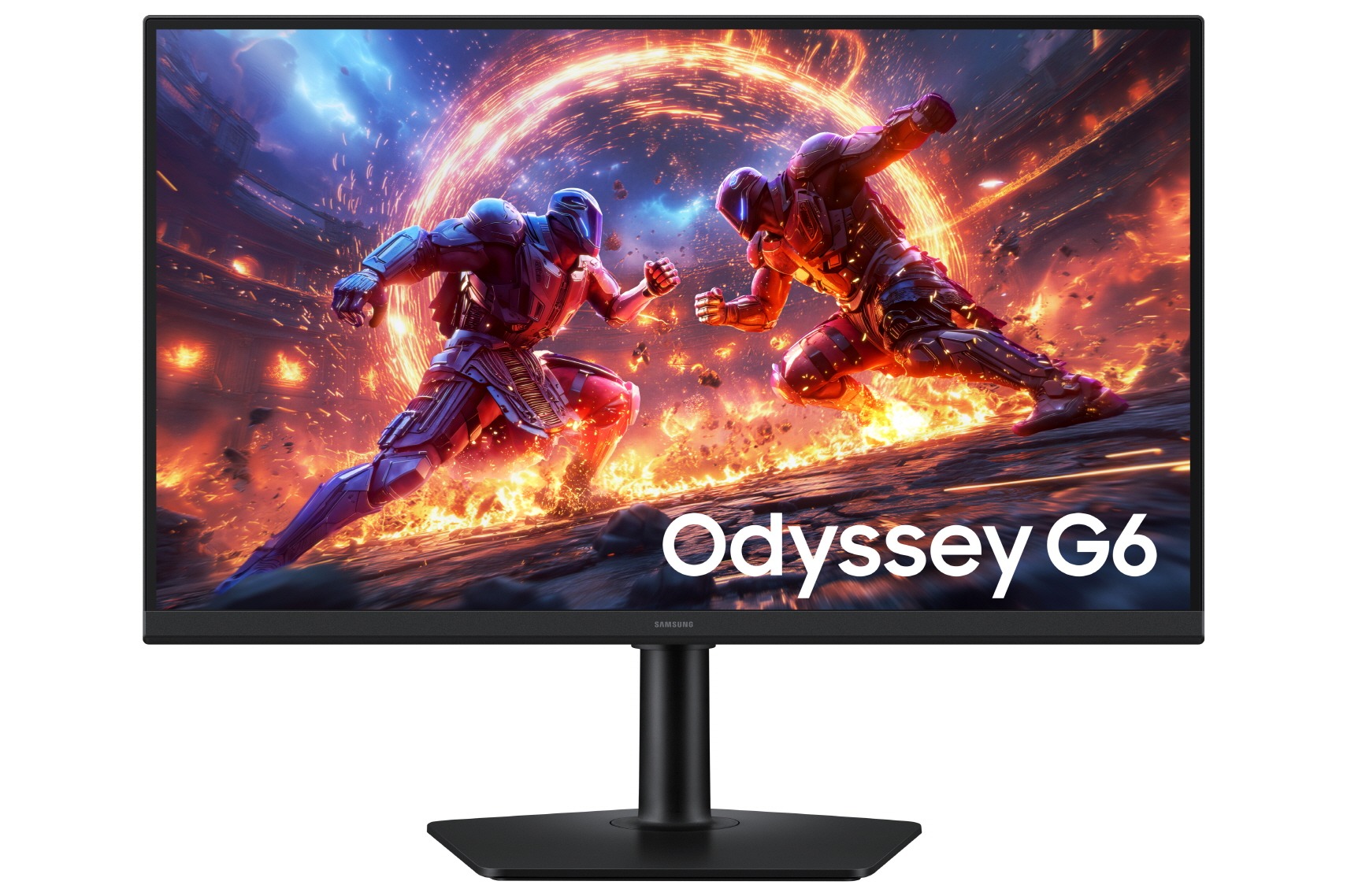
The 1,100Hz catch: it only works at HD resolution
The Odyssey G6 uses what Samsung calls Dual Mode. You pick between two settings. In QHD mode, the panel runs at its native 2,560 x 1,440 resolution at up to 600Hz. In HD mode, the resolution drops and the refresh rate climbs to 1,100Hz. Samsung only says HD; Engadget, Tom's Hardware and PC Guide give that as 1,280 x 720, a quarter of the full pixel count.
In practice, that means the fastest mode looks noticeably softer on a 27-inch screen. It is aimed at competitive shooter players who care more about smooth motion than sharp detail. For everyone else, the 600Hz QHD mode is the one you would use most of the time, and 600Hz is still far faster than almost every monitor on sale.
Some quick maths on what those numbers mean: at 600Hz, the screen shows a new frame about every 1.67 milliseconds. At 1,100Hz, that drops to about 0.91 milliseconds. Whether you can feel the difference is debatable. The Verge called the monitor 'absurd' and said the value of these refresh rates is 'up for debate', while Engadget said it could give pro-level shooter players 'just a little bit of extra competitive advantage'.
Odyssey G6 specs
Screen: 27-inch flat IPS LCD panel (Samsung calls it Fast IPS), 2,560 x 1,440 native resolution, 16:9. Refresh rate: up to 600Hz at QHD, up to 1,100Hz at HD in Dual Mode. Response time: 1ms gray-to-gray (Samsung's footnote says this needs the Extreme mode setting). Brightness: 400 nits typical, per Engadget and PC Guide. HDR: HDR10 and HDR10+ Gaming.
Motion and picture features: Odyssey Clear Motion, a new Samsung blur-reduction feature that debuts on this model, and Black Equalizer, which brightens dark areas so enemies in shadows are easier to see. Sync: NVIDIA G-Sync Compatible and AMD FreeSync Premium, which reduce screen tearing. Ports: one DisplayPort 2.1 and two HDMI 2.1, plus Auto Source Switch+, which jumps to a newly connected device automatically. Stand: adjusts for height, tilt, swivel and pivot.
The Gadgeteer, citing Samsung's US product page, lists further details: 450 nits peak brightness, a 1,000:1 contrast ratio, 99% sRGB colour coverage, 105mm of height adjustment, a USB-B upstream port with two USB-A ports, a headphone jack, 100 x 100mm VESA mounting, no built-in speakers, 5.0kg with the stand and up to 78W power draw, with HDMI and DisplayPort cables in the box. It gives the US model number as LS27HG602ENXZA.
What PC do you need for 1,100Hz?
A very fast monitor only helps if your PC can send it that many frames. To see 1,100 different frames a second, a game has to actually run at around 1,100 frames per second, which in practice means older or lightweight competitive shooters at low settings on a high-end graphics card and processor. Most big new games run far below that.
Samsung's own footnotes add several limits. AMD FreeSync Premium does not work at 1,100Hz. AMD Radeon RX 6000 series cards and older do not support 1,000Hz or higher at all. On a Mac, macOS supports neither Dual Mode nor the native 600Hz top speed. Samsung also says HDR10+ Gaming needs an HDMI 2.1 connection to a supported NVIDIA or Intel graphics card and only works in specific games.
For comparison, LG says its 1,000Hz monitor needs Windows 11, an NVIDIA RTX 50 series card or an AMD Radeon RX 9070, 9060 or 7900 series card (or newer), and a DisplayPort 2.1 connection to reach its top speed. Samsung has not published an equally detailed list, so treat LG's list as a rough guide to the kind of hardware these speeds need.
Odyssey G6 vs LG UltraGear 1,000Hz monitor
The Odyssey G6's main rival is LG's UltraGear 25G590B, which LG launched in the US on August 24, 2026 at $999.99. LG calls it the world's first Full HD monitor with a native 1,000Hz refresh rate, and The Verge notes the Samsung 'narrowly' edges past it.
The two take different routes. The LG is a smaller 25-inch screen that runs at 1,000Hz at 1,920 x 1,080 all the time, with an overclocked mode of up to 1,100Hz in which, LG says, FreeSync Premium does not work and G-Sync compatibility is only certified at 1,000Hz. The Samsung is a bigger 27-inch screen with a sharper 2,560 x 1,440 native resolution at 600Hz, and only reaches 1,100Hz at the lower HD resolution. The Samsung is also $100 cheaper at list price.
Put simply: if you only play esports shooters and want the highest speed at a usable resolution every time, the LG's native 1,000Hz at 1080p is the more straightforward option. If you want one screen that is sharp for everyday use and games but can switch into an extreme speed mode, the Samsung makes more sense.
Should you buy the Odyssey G6?
Probably only if you are a serious competitive player. The Odyssey G6 is built for people whose PCs already push frame rates far above what a 240Hz or 360Hz screen can show, in games such as fast online shooters. For them, a 600Hz QHD mode plus a 1,100Hz HD mode on one screen is a genuinely new option.
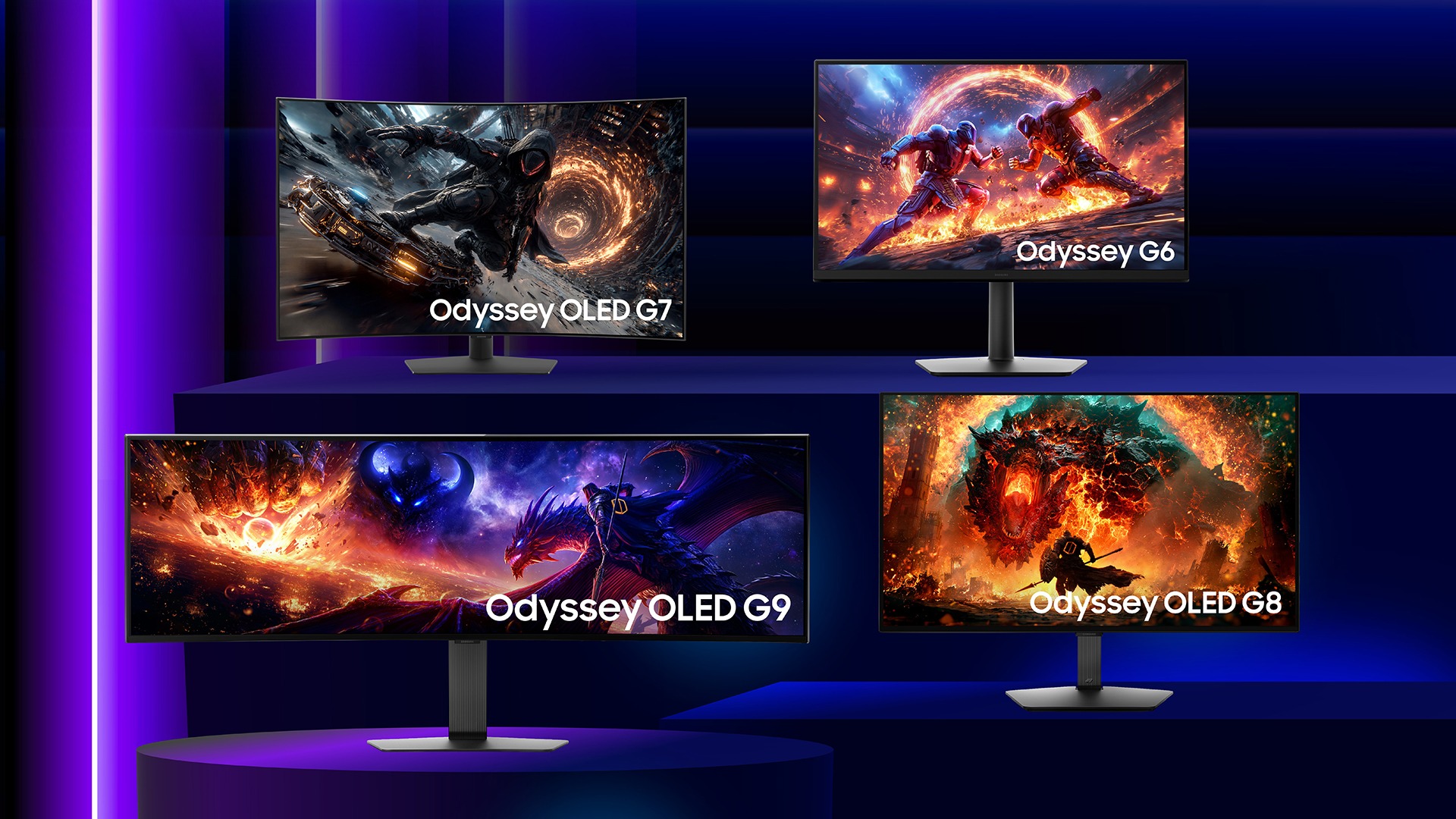
For most people, it is overkill. It is still an IPS LCD panel, so its 1,000:1 contrast will not match the deep blacks of an OLED monitor. The Gadgeteer points out that Samsung's own Odyssey OLED G6 (G60SF), a 27-inch QHD QD-OLED with a 500Hz refresh rate, was listed at $649.99 in its November 23 article, which gives you better contrast for less money if you do not need the extra speed. Check current prices before you buy, as they move often in the holiday season.
Samsung says it has been the world's top gaming monitor brand by value for seven years in a row, from 2019 to 2025, citing IDC. It plans to bring Odyssey Clear Motion to more of its gaming monitors after the G6. We will update this article when Samsung confirms exact December availability and prices in more countries.
Sources: Samsung Global Newsroom and Samsung US Newsroom (November 23, 2026), LG USA press release (August 24, 2026), The Verge, Engadget, Tom's Hardware, PC Guide and The Gadgeteer. Prices are US list prices in dollars, checked at 02:58 IST on November 24, 2026 (21:28 UTC, November 23).
See more of The Threshold on Google
Add us as a preferred source to see more of our stories in your Top Stories.
Frequently asked questions
How much is the Samsung Odyssey G6 1,100Hz monitor?
Samsung prices the 27-inch Odyssey G6 (G60H) at $899.99 in the US. Prices for other countries have not been announced yet; Samsung says pricing varies by market. Checked 02:58 IST on November 24, 2026 (21:28 UTC, November 23).
When is the Odyssey G6 G60H release date?
Samsung says it will roll out at US retailers nationwide beginning in December 2026. It has not given an exact day. Availability in other countries varies by market and has not been dated yet.
Does the Odyssey G6 really run at 1,100Hz?
Yes, but only in its HD Dual Mode, which Engadget and Tom's Hardware give as 1,280 x 720. At its native 2,560 x 1,440 (QHD) resolution the maximum is 600Hz. Your PC also has to produce around 1,100 frames per second to make full use of it.
What is the difference between 600Hz and 1,100Hz?
At 600Hz the screen shows a new frame about every 1.67 milliseconds; at 1,100Hz it is about every 0.91 milliseconds. Both are far beyond typical 144Hz to 240Hz gaming monitors, and whether most people can see the difference is debatable.
Is the Samsung Odyssey G6 better than LG's 1,000Hz monitor?
It depends on how you play. The LG UltraGear 25G590B ($999.99) runs at a native 1,000Hz at 1080p on a 25-inch screen. The Samsung ($899.99) is a 27-inch QHD screen that runs at 600Hz at full resolution and 1,100Hz only at HD resolution.
Does the Odyssey G6 work with Mac or AMD graphics cards?
With limits. Samsung says macOS does not support Dual Mode or the native 600Hz maximum. AMD FreeSync Premium does not support the 1,100Hz mode, and AMD Radeon RX 6000 series cards and older cannot run at 1,000Hz or higher.
What ports does the Odyssey G6 have?
Samsung lists one DisplayPort 2.1 port and two HDMI 2.1 ports. The Gadgeteer, citing Samsung's product page, adds a USB-B upstream port, two USB-A ports and a headphone jack. There are no built-in speakers.
Is the Odyssey G6 an OLED monitor?
No. The G60H uses an IPS LCD panel with a 1ms gray-to-gray response time. Samsung sells a separate Odyssey OLED G6 (G60SF), a 27-inch QD-OLED model with a 500Hz refresh rate.